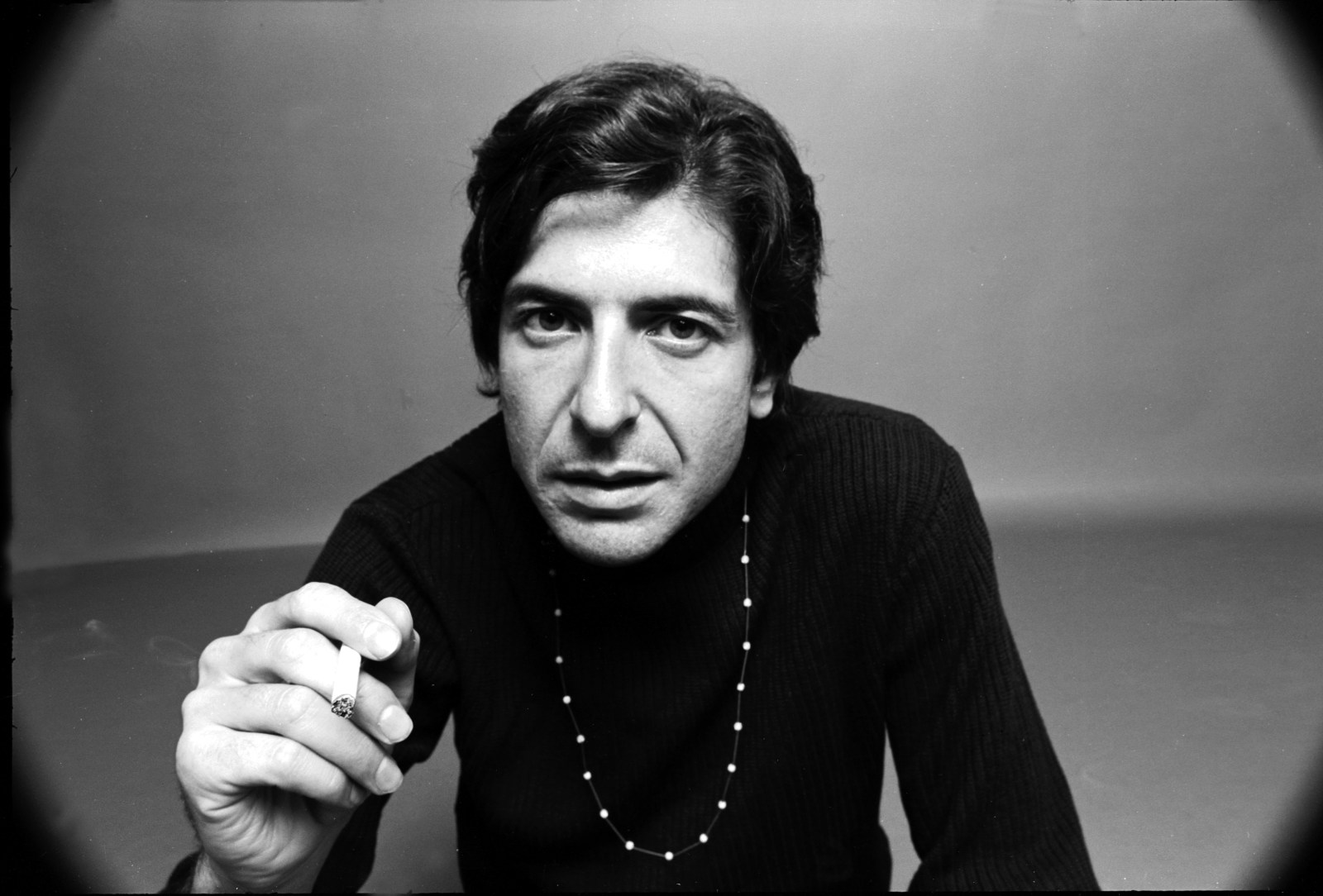
This evening at Toronto’s Meridian Hall, Adam Cohen will honor his father’s musical legacy. Adam will perform Leonard Cohen’s songs, humbly stating his inherited the body type and voice of his father. The tribute show ‘Everybody Knows’ is named after a song Leonard co-wrote in 1988, coinciding with the decade since his passing.
Leonard Cohen, the revered Canadian singer-songwriter, passed away in his sleep in Los Angeles on November 7, 2016, following a fall. He was 82. The announcement of his death came on November 8, 2016, the same day Americans elected Donald Trump. This coincidental timing brought sadness to many of his fans.
Leonard never commented publicly on Trump, perhaps because he preferred to avoid direct political statements. His final album, ‘You Want It Darker,’ was released a few weeks before his passing. He once told The New Yorker, ‘I am ready to die. I hope it’s not too uncomfortable,’ only to later humorously amend that sentiment.
Throughout his life, Cohen resisted firm categorization. He valued ambiguity in personal, sensual, and religious matters. His songs, some written decades before his passing, predicted societal upheavals. Events during the Trump era gave his lyrics renewed relevance. Cohen’s songs resonated as America faced political and cultural turmoil.
One particularly poignant song, ‘The Future,’ was written in the context of the 1992 Los Angeles riots. It depicted a world where moralities shifted to extremes. In 1992, much of today’s technology and online platforms were absent, making Cohen’s vision feel even more prophetic today. He viewed Trump’s political rhetoric as reflecting moral disarray, something Leonard captured in his music.
Cohen never intended his songs to offer clear political answers. Still, they prompted reflection on societal changes. His 1988 song, ‘First We Take Manhattan,’ for instance, mentioned seizing control of key cities. He saw this as a metaphorical appeal to those fascinated by extremism.
‘Everybody Knows’ addressed themes of deceit and despair, likening them to a fast-spreading plague. While originally alluding to AIDS, Cohen implied a broader societal malaise. During the COVID-19 pandemic, the song’s relevance intensified, as leaders echoed similar concerns of plagues and uncertainty.
Cohen’s music, like the iconic song ‘Hallelujah,’ has often been used in contexts that contrast his intent. The Trump campaign used it without permission during the 2020 Republican National Convention, despite the estate’s objections. This use highlighted the gap between the song’s message and its exploitation.
Despite addressing darkness, Cohen ultimately advocated for hope. In ‘Anthem,’ he suggested resilience and personal responsibility. His statement, ‘The future is no excuse for an abdication of your own personal responsibilities,’ urges listeners to respond to challenges with action. His optimism, veiled in doubt, remains a powerful legacy.
Cohen’s enduring songs reflect an ongoing struggle to make sense of a complex world. A decade after his passing, they continue to offer a reminder of the unpredictable nature of future events, emphasizing that certainty is an illusion.
Leave a Reply