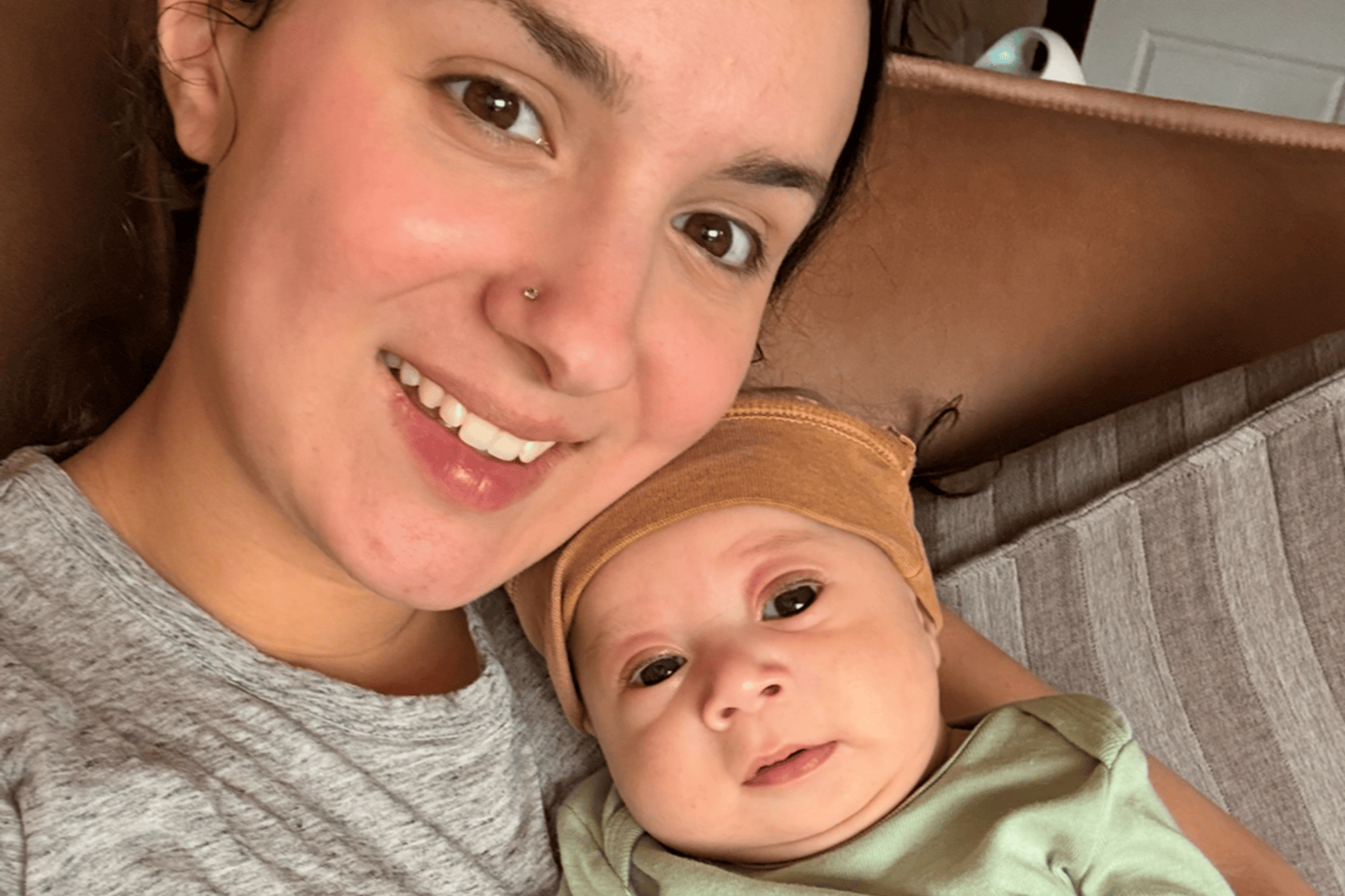
From the beginning, Lauren Musso sensed that her son’s development was not typical. Lauren, a 28-year-old mother from Schenectady, New York, had observed unusual patterns in her newborn’s movements, starting with changes during her pregnancy. Early on, she noticed a significant decrease in her baby’s fetal movements, yet her concerns were initially dismissed as the baby met minimum movement criteria.
Lauren’s pregnancy was already challenging due to severe hyperemesis gravidarum (HG), causing intense nausea and necessitating repeated hospital visits. Despite this, she was determined to ensure her baby’s safety, advocating for an ultrasound. Although not routinely offered, she found a provider willing to conduct the test. Subsequent scans revealed concerning signs, including prolonged lack of movement.
Despite these warnings, a specialist assured her of a high likelihood of the baby’s health, but Lauren remained uneasy. Her intuition proved correct.
“I had a constant, eerie feeling that something was catastrophically wrong,” Musso recalled.
According to Dr. Jeffrey Chapa of Obtelecare, reduced fetal movement is a frequent concern but can sometimes indicate underlying issues. Specialists recommend detailed assessments, including ultrasounds and possibly MRIs, to investigate such concerns.
After birth, Avery, Lauren’s son, faced health challenges, spending time in neonatal intensive care. While initially improving, he struggled with various conditions, including laryngomalacia. This condition affects the voice box, causing distinctive breathing sounds. Persistent issues led to several hospital readmissions, and Avery encountered severe health crises, necessitating immediate CPR during one clinic visit.
An MRI eventually revealed significant brain damage: multicystic encephalomalacia. Dr. Chapa mentioned that while early diagnosis could help in certain situations, many severe brain injuries have unpreventable causes.
Despite difficulties, Avery taught invaluable lessons about unconditional love. Lauren cherished every moment with him, including his final peaceful days in pediatric intensive care.
“I held him close and whispered how much I loved him,” Musso shared about Avery’s passing.
The family faced further hardships when an agreed-upon autopsy was not performed, leaving unanswered questions about Avery’s condition and care. Lauren felt let down by the failure to obtain definitive answers.
Through her sorrow, Lauren seeks to highlight the importance of listening to parents’ concerns and addressing severe pregnancy conditions like HG. She advocates for empathetic, tailored care and acknowledgment of parental insights in healthcare.
Reflections on Avery’s life continue to influence the Mussos, who celebrate his enduring spirit and the profound bond he fostered within their family. Lauren hopes medical professionals learn to embrace parents’ insights and provide compassionate care.
Leave a Reply