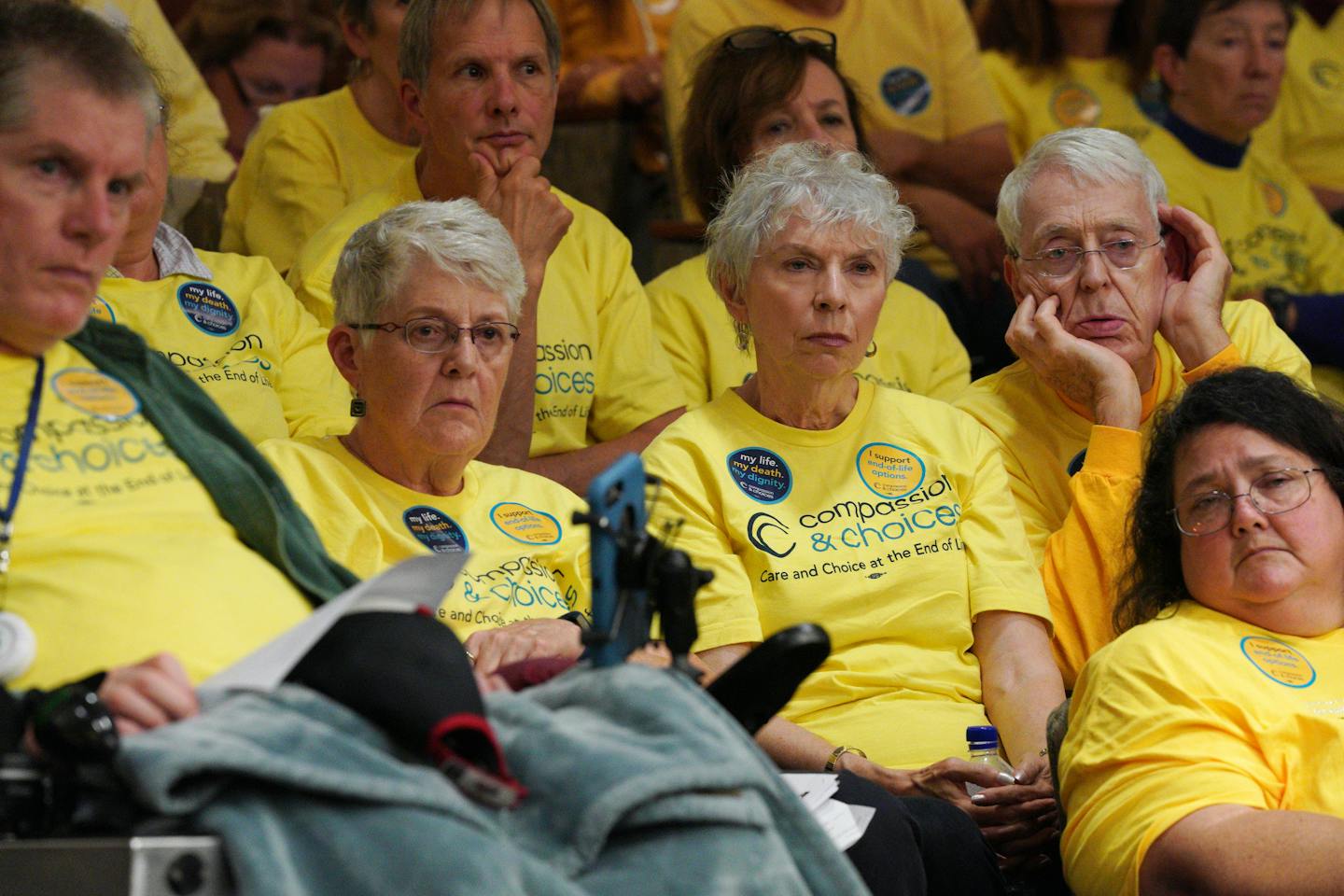
In Minnesota, the discussion around medical aid in dying remains pressing. Supporters of the End-of-Life Act have voiced their concerns and hopes during hearings, yet the legislation faces consistent opposition. A significant emotion threading through these discussions is empathy.
Consider columnist Karen Tolkkinen’s profound experience, watching her sister face an agonizing end. This personal narrative has become a catalyst for advocacy. Those opposing such legislation need to reflect on the humane rationale behind it. The argument isn’t merely theoretical—it’s rooted in real-life, painful experiences.
The recurring counterpoint to medical aid in dying echoes concerns about moral and religious beliefs. However, for advocates, the essential question is why not allow personal choice for those already facing terminal illness. It seems incongruent with political ideals centered on personal freedoms.
Proponents also point to safeguards within the proposed legislation designed to address ethical and religious objections. The aim is to provide peace for individuals with confirmed, life-ending conditions, ensuring choices remain personal, respectful, and dignified.
The Role of Young Voters
Young voters often find themselves overwhelmed by the flood of information that comes with first-time voting. Reflecting on the past, older generations had fewer media sources but more identifiable guiding voices, which seems less true now. The media landscape has grown more complex and sometimes biased.
The challenge for these young citizens is to find reliable information and resources to guide their decisions. Educating young voters on how to critically discern credible sources is essential. Engagement with local leaders can foster this understanding, enabling young voters to make informed decisions about who will represent them.
Addressing Space Junk
Space debris continues to present risks. A recent report discussed the potential dangers of hazardous material surviving re-entry, which highlights the responsibilities of nations under international law. The possibility of debris causing harm raises concerns about global accountability.
Though no human has been hit by re-entering debris, the law clearly states that countries launching objects into space are accountable for any damage caused. Monitoring and preventive measures should be prioritized to ensure safety from these potential risks.
Leave a Reply