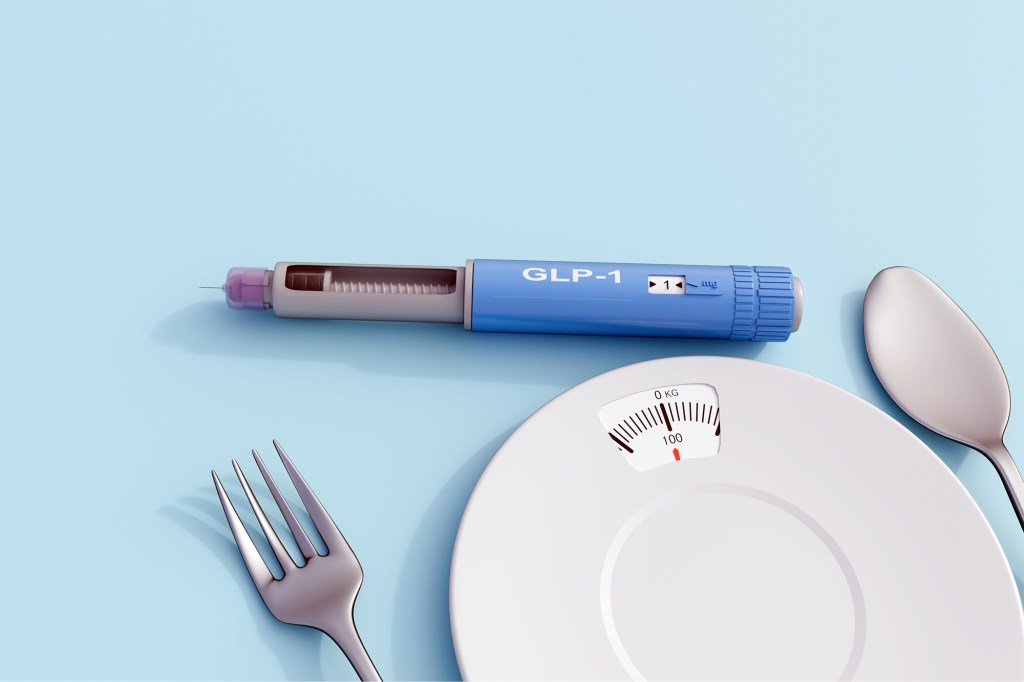
Open a custom bathroom vanity today, and it might surprise you: Alongside towels and toiletries, you may find a refrigerator for medication, drawers for syringes, and even a compartment designed for safe needle disposal. These adaptations reflect a significant shift in American households, with 21% now including a current GLP-1 user, up from 9% in January 2025, as reported by PwC.
A trend toward minimalism in kitchens aligns with these changes. The National Kitchen & Bath Association’s (NKBA) 2027 design forecast highlights the rising popularity of the ‘hidden kitchen’ concept, which emphasizes concealed appliances and storage areas to create seamless living spaces. However, the increase in injectable medications exposes a downside: the growing need for proper disposal of medical waste.
In New York City, sanitation workers have reported a rise in needlestick injuries.
The Department of Sanitation connects these injuries to improper disposal of needles, including those used for GLP-1 medications. New regulations effective November 9 will more than double fines for improper disposal, leading to discontent among property owners. They argue they lack control over what tenants discard.
The Shift in Kitchen Design
GLP-1 medications are associated with decreased appetite and ‘food noise’, which refers to intrusive thoughts about food and eating. As users reduce their food intake, some reconsider their kitchen space needs. According to PwC, grocery spending among GLP-1 users fell by 5.5% as they opted for healthier options like produce and proteins over snacks and sugary drinks.
This reduction in food consumption leads to less demand for large kitchens. Tammy Crosby, CEO of The House Designers, notes an increase in customers opting for modest kitchen designs. Compact layouts help maximize other areas of the home. Crosby emphasizes that a standard range suffices, without the need for expanded appliance suites.
The ‘invisible kitchen’ trend takes this further by hiding appliances and storage within cabinetry. The NKBA 2027 Kitchen Trends Report states 81% of professionals believe functional kitchen zones will remain prevalent, with 85% noting cabinetry designs that conceal working elements.
Bathrooms Adjust to Wellness Trends
Bathroom designs are evolving as well. An NKBA 2026 Bath Trends Report reveals that 72% of industry professionals anticipate bathrooms expanding to incorporate wellness activities and better storage. This may include custom vanities with specialized compartments or discrete medication refrigeration.
Despite rumors, Crosby advises caution in expecting widespread demand for bathroom-based refrigeration, since storing medication in kitchen refrigerators, as insulin users have done for years, remains common.
A Growing Concern with Medical Waste
While GLP-1 medications bring benefits, they also contribute to an issue in waste management. The rise in needlestick injuries, particularly in New York City, underscores a critical problem. Since 2023, reported injuries have tripled, with 69 documented cases by October this year.
Nicholas Derenzi, a sanitation worker, experienced such an injury in 2020 when a needle pierced his glove during a collection route. The incident highlighted the health risks of improper medical waste disposal, prompting the city to increase fines from $100 to $250.
Feedback from organizations like the Small Property Owners of New York argues that property owners cannot control tenant behavior. Yet, DSNY asserts they must ensure proper waste disposal. To counter risks, the department advocates for the use of designated ‘sharps’ containers and provides alternative disposal options at hospitals or drop-off locations.
New York City aims to reduce direct contact with garbage through mechanized collection systems, but safe disposal at the source remains vital.
Leave a Reply