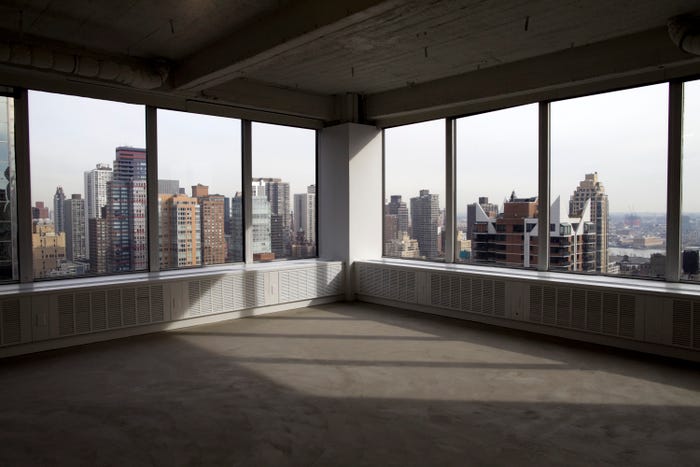
The American office market, despite predictions of an impending crisis, has managed to avoid the apocalyptic outcomes some expected in recent years. The COVID-19 pandemic and upcoming debt maturities had investors anticipating defaults and plummeting office valuations. Yet, disaster did not materialize. Even in 2023, as interest rates rose with inflation concerns, the market stayed resilient.
This resilience may face challenges. Bond yields have surged this year. Markets are adjusting expectations for inflation and interest rates due to conflicts like the Iran war and uncertain fiscal policies. Higher borrowing costs could shake the commercial real estate market, especially affecting weaker ‘Class B’ office properties outside major cities. These properties struggle as remote work reduces demand.
This segment of the commercial property market is already experiencing significant distress. Many borrowers are feeling pressure with a large wave of maturities ahead. More debt will need refinancing at potentially high rates, threatening defaults. Expected defaults might force borrowers to transfer properties to lenders. Resulting sales may cause prices to drop by up to 40%, according to real estate experts.
High borrowing costs have brought the U.S. office market close to its peak distress.
Data from Trepp shows the delinquency rate on commercial mortgage-backed securities (CMBS) backed by office loans is near a 12% peak, a significant increase from 2.5% in 2021. Default rates on these loans remain high, with $6.8 billion in newly defaulted office loans recorded in the year’s first nine months.
Trepp’s value-weighted Property Price Index reveals a 16% decline in commercial real estate valuations since Q3 2021. Commercial mortgages priced over Treasurys have seen distress rise as yields spike. The 10-year U.S. Treasury yield has increased by 67 basis points this year, nearing 5%.
Rob Koonin, from Polsinelli’s New York real estate practice, warns that it could take a year for the full effects of higher rates to impact office valuations. He suggests a potential 10% decline for some Class B buildings, which would significantly strain borrowers already facing difficulties.
The most troubled buildings face potential valuation declines up to 40%.
Lenders today are less inclined to modify or extend loans without additional cash or equity. Trepp’s Lonnie Hendry explains that rising rates make net operating income worth less, reducing lenders’ willingness to extend loans.
Commercial real estate financing is complex, with properties backed by varied debt and equity structures. Floating-rate loans face immediate stress as rates rise. Since 2022, about 45% of office loans have been floating-rate, leading to refinancing challenges at higher rates.
Last year, distressed office sales rose by 53%, with many properties auctioned due to bankruptcy or lender seizure. Lenders previously showed more flexibility in extending loans, but now financial conditions have tightened. Lenders might revamp properties or lease them before sale, but often, a steep discount sale clears the books.
A Catch-22 emerges where lenders need to decide whether to accept loan failures or cut losses. Hendry emphasizes that lenders might have to acknowledge these losses soon.
Around $22 billion in office CMBS loans will mature by 2027. Additionally, $310 billion in U.S. commercial real estate loans will mature later this year. Many of these loans originated in 2021 during low borrowing cost periods.
Hendry predicts market stabilization as troubled office prices correct. Increased deal activity and occupancy might revitalize these properties. However, first, someone must absorb the looming financial losses.
Leave a Reply