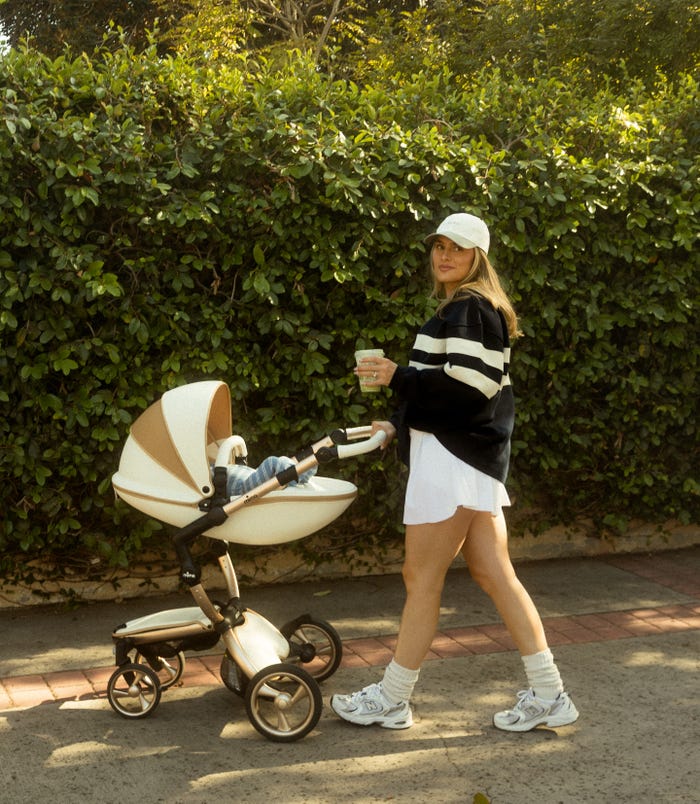
This article is based on a conversation with Samantha Jordan, a 30-year-old professional nanny, newborn care specialist, and postpartum doula. Samantha divides her time between Las Vegas and Upland, California.
Samantha has been a professional nanny for 12 years, beginning her career at age 18 while still in college. Throughout her career, she has worked with ultra-high-net-worth families. In addition to being a nanny, Samantha is a newborn care specialist and postpartum doula.
Travelling as a Nanny
Travel plays a significant role in Samantha’s job. She is sometimes hired specifically for trips, ranging from a week in Cabo to two months in Europe. Other times, she holds a long-term position in a family’s home. Some of her peers travel weekly or receive spontaneous calls to travel to destinations like the Bahamas.
Through these experiences, Samantha has gained valuable skills such as emergency preparedness, screen-free entertainment for children, and situational awareness in unfamiliar places. She prioritizes being aware of her surroundings, given the responsibility of caring for others’ children.
Flying Practices and Preferences
One of Samantha’s firm boundaries in her work is her refusal to fly on private planes. She communicates this clearly during initial interviews. This transparency helps families understand her preferences and decide if her travel limitations are compatible with their needs. If families are keen on hiring her, they may agree to let her fly commercially instead.
Samantha’s hesitance about private flights stems partly from a personal story. Her husband once shared an uncomfortable experience during a private flight as a college athlete. The unfamiliarity and varying levels of oversight associated with private aviation lead her to prefer commercial airlines, which she trusts more.
Maintaining Safety Standards
In addition to her flying preferences, Samantha upholds strict safety standards while traveling. She insists on knowing who will drive before entering a vehicle, avoiding rides with chauffeurs she hasn’t met. She also refrains from entering the ocean unless she can see the bottom. As for beach outings with children, she avoids taking them into the water alone to minimize risks.
Nannies, Samantha notes, can sometimes feel pressured to prioritize work over personal safety. She has addressed these issues publicly, prompting discussions about boundary setting and contract adjustments. It is important for nannies to assert their professional boundaries while maintaining a friendly yet professional relationship with families.
Advice for Nannies and Families
Through mentoring other nannies, Samantha emphasizes the importance of curiosity and understanding between nannies and families. Aligning expectations and open communication are vital. Families are encouraged to take nanny boundaries seriously, accommodating reasonable requests such as preferred modes of travel.
Nannies often make sacrifices for the well-being of the children they care for. Respecting their boundaries is crucial for ensuring a harmonious work relationship. Employers should inquire about a nanny’s comfort with different travel methods, the type of aircraft used, and safety preferences.
This work demands dedication and effort, and nannies contribute significantly to families. It’s important for families to appreciate their nannies’ efforts and ensure mutual care and safety in the working relationship.
Leave a Reply