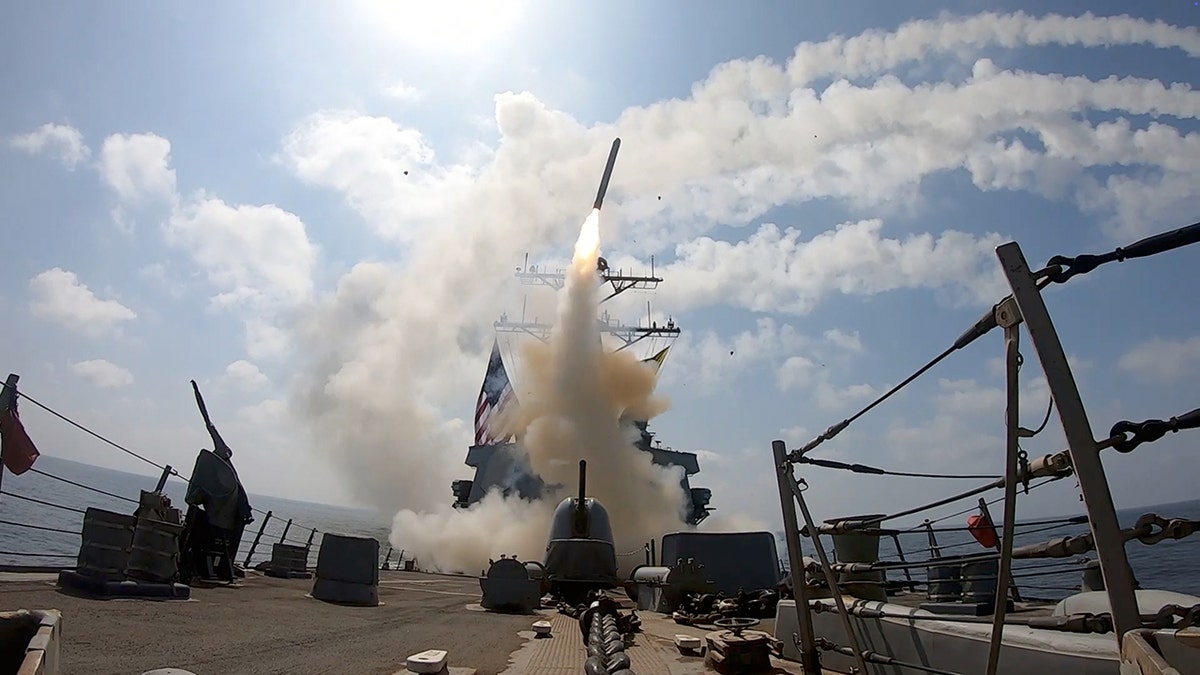
Twenty years ago, American voters shifted their support away from Republicans due to an unpopular Middle Eastern conflict. On November 3, they repeated this action. In 2006, Iraq was the focus. Currently, it’s Iran. Democrats gained control of both houses of Congress, securing at least seven Senate seats, including those in Texas, Ohio, Kansas, and Iowa.
Vice President JD Vance pointed blame towards the war initiated by President Donald Trump’s administration eight months ago. Trump contended that, despite electoral losses, his actions were justified to prevent Iran from acquiring nuclear weapons. However, the electorate questioned what the conflict had achieved and whether the high costs and lack of long-term strategy justified continued involvement.
Reflecting on the situation, concerns were raised about the administration’s approach. In June 2025, there was support for precision strikes on Iran’s nuclear facility at Fordow. Yet, skepticism remained about claims that Iran was imminently capable of producing nuclear arms. This skepticism centered around the need for reliable intelligence and a clear understanding of post-conflict implications.
As the war progressed, military success was achieved, but broader strategic successes eluded the U.S. Vance’s post-election comments highlighted this discontent, emphasizing the political and financial burdens of the war. Spending estimates included $47.1 billion through October, excluding additional repair costs for damaged bases, demonstrating significant economic impacts.
The conflict’s consequences were also apparent in strategic military deployments. Notably, the USS George Washington’s diversion from the Pacific to the Middle East shifted focus away from other national security challenges, such as the strategic competition with China.
Reflecting broader strategic principles, previous military leaders like Colin Powell advocated for objectives, decisive action, public support, and exit strategies. The recent election underscored the cost of neglecting these principles. The electorate’s dissatisfaction created momentum for potential changes in leadership or strategic direction.
Voters desired a strategy that balances immediate threats with broader commitments. For example, Tehran’s parliament speaker interpreted the election results as a mandate against war. This interpretation highlights the need for a nuanced response.
Within the U.S., internal administration debates are steering the path forward. Alternatives range from pursuing diplomatic agreements to maintaining economic pressure while assessing military action. The necessity for informed advice and clarity on strategic goals is paramount.
Ultimately, President Trump must define clear objectives—whether it’s preventing nuclear weapon acquisition, ensuring safe regional shipping, achieving diplomatic resolutions, or regime change. The costs, political will, and viable strategies for each pathway must be communicated to citizens.
In conclusion, the past election cycle demonstrated voter influence on foreign policy decisions, providing a clear mandate for evaluating ongoing engagements. A shift in strategy should account for practical and sustainable outcomes, ensuring American interests align with commitments made abroad.
Leave a Reply