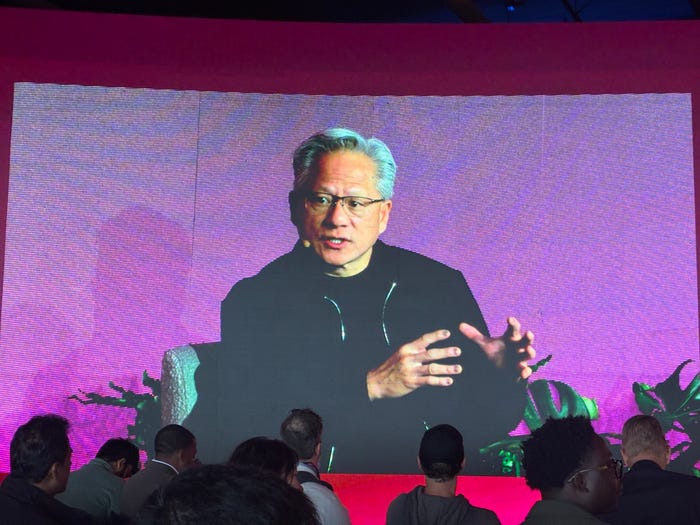
Recent events involving Nvidia CEO Jensen Huang have caught the attention of many in Silicon Valley. His extramarital affair and the allegations of Chinese espionage surrounding it have created significant buzz. Despite the dramatic situation, it raises an important question: How will this affect the ongoing AI boom?
According to Wall Street analysts, the impact may be minimal. The incident may turn out to be insignificant concerning America’s extensive AI development. It might even provide unexpected benefits.
Context and Background
Jensen Huang has confessed to infidelity, and Nvidia’s board is currently investigating claims that he was the target of foreign intelligence operations. US intelligence suspects Alice Huang, an executive at Megaspeed, an Nvidia customer, might have been recruited by China as a spy. However, this claim hasn’t been independently verified by Business Insider.
Authorities can sometimes err in judgment. Their past misjudgments include incorrect affirmations about weapons of mass destruction in Iraq. Nonetheless, Nvidia’s board believes there was no security breach involving the company or national interests.
AI Demand Unaffected
Amidst these developments, it appears unlikely that developers will stop using AI tools like Claude Code and Codex due to Jensen Huang’s private matters. The 1.2 billion weekly users of ChatGPT are expected to continue their interactions. Businesses are not likely to abandon AI efforts aimed at efficiency and productivity improvements.
This situation could potentially help US AI companies like Anthropic and OpenAI as Western enterprises may cut ties with Chinese models. The focused demand for AI persists undeterred by personal issues of tech leaders.
“We still foresee significant upside for AI chipmakers and anticipate technological advancements and the need for significantly more computing power in the years ahead,” stated Brian Colello, a senior equity analyst at Morningstar. He added his anticipation for Nvidia’s forecast of $3 trillion to $4 trillion in annual AI infrastructure spending by 2030.
Nvidia’s Position and Market Dynamics
Nvidia’s dominance in AI chip supply remains a crucial aspect of this narrative. Huang’s role in this dominance is significant, and any change in leadership could disrupt strategic directions.
The uncertainty led to a 4% dip in Nvidia shares, but the broader tech sector saw gains, highlighted by a 13% rise in competitor AMD stocks. This shift may indicate a potential redirection of demand should Huang step down.
Furthermore, scrutiny surrounding Megaspeed’s overseas data center practices involving Nvidia chips might intensify. Such developments could limit Nvidia’s transactions in China, resulting in more available supply for American clients. Companies like Amazon, Microsoft, and Google, currently investing heavily in AI infrastructure, might welcome this.
Despite ongoing lobbying efforts by Huang to ease US-China chip trade restrictions, these allegations might hinder his cause. However, Stacy Rasgon of Bernstein points out that Huang’s longstanding efforts make any alleged foreign influence redundant.
Potential Outcomes and Forecasts
Jensen Huang’s tenure may endure, and there’s no clear evidence of customer order impacts outside China, where government restrictions are in place. Analyst Brian Colello maintains his $310 fair value estimation for Nvidia stock, projecting stable business performance.
Huang’s stature as a co-founder and CEO provides considerable board support, further bolstered by public endorsements from figures such as US President Donald Trump. For AI’s future, sustained technological relevance and infrastructure capabilities are the determining factors, unaffected by personal affairs.
America’s AI goals might end up being bolstered with more accessible chips due to these developments.
Leave a Reply