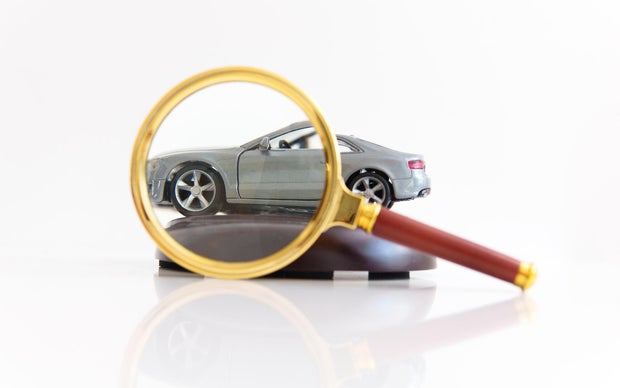
In today’s market, the cost of car insurance remains high, making it essential for you to understand the coverage you are getting for your money. Many drivers may not know the details of their car insurance policies, apart from their monthly premiums and deductibles, due to the complexity of these policies. This lack of understanding can lead to issues when relying on that protection.
High insurance costs make it crucial to ensure you get what you pay for. Expensive premiums do not always guarantee adequate financial protection. Your policy might lack essential coverage, despite the high cost you incur.
Making uninformed car insurance decisions can lead to costly mistakes. These errors can increase your expenses without your knowledge. By understanding common pitfalls, you can avoid these financial setbacks. Let’s explore some common car insurance mistakes you should watch out for.
Common Car Insurance Mistakes to Avoid
Whether you are sticking with your current policy or have recently switched insurers, these frequent mistakes could put your finances at risk.
Automatically Renewing Without Comparing Rates
Automatically renewing your insurance policy seems convenient, but you might miss the chance to save money. Insurers regularly adjust their rates, and the most competitive insurer a few years ago may no longer be the cheapest. Compare quotes from at least three insurers with the same coverage and deductibles before renewing. Even if you keep your current insurer, you gain insight into whether you have a competitive rate.
Choosing the Cheapest Policy Without Checking Coverage
A low monthly premium is attractive, especially when reducing expenses. However, choosing insurance only based on price can result in insufficient protection. A policy with minimal liability coverage might meet legal standards but might not cover all damages from a severe accident. If you face costs beyond your policy limits, you could be liable for the difference. Check your coverage details before deciding if the lower premium is worth the risk.
Setting an Unaffordable Deductible
Raising your deductible can lower your premiums, but it can be risky if you can’t cover your share of claims. For instance, increasing your deductible from $500 to $2,000 might decrease your monthly cost, but you need to have the extra $1,500 available if required. Confirm that you can comfortably pay this amount out-of-pocket without resorting to credit or loans.
Failing to Update Your Policy After Life Changes
Your insurance needs evolve over time, but your policy may not adjust automatically. Changes such as moving, marrying, adding a teenage driver, or altering your commute can impact your coverage needs and premiums. Failing to notify your insurer of these changes might complicate claims. Review your policy with life changes, and inquire about rate or discount adjustments.
Overlooking Available Discounts
Insurers offer discounts not applied automatically to all policies. Depending on your provider, you could save by bundling policies, enrolling in automatic payments, completing defensive driving courses, or joining safe-driving programs. Discounts may also be available for low annual mileage or specific safety features. Contact your insurer for a full review of available discounts and ensure you meet any required conditions.
Dropping Important Coverage to Save Money
Eliminating collision or comprehensive coverage may lower your premium, but not considering your vehicle’s value and financial situation can be risky. Collision coverage typically pays for damage from accidents, while comprehensive covers non-collision events like theft, hail, and vandalism. If your car is older and cheap to replace, dropping these coverages can make sense. However, if replacing your vehicle would be financially challenging, maintaining this protection is wise. Financing or leasing a vehicle often requires these coverages.
Letting Your Coverage Lapse
Missing a car insurance payment may seem minor, but lapses can have serious consequences. Uninsured driving can lead to fines, license suspension, and significant personal liability depending on your state’s laws. A coverage gap might also increase future policy costs. If you’re struggling with premiums, contact your insurer before missing payment deadlines to discuss options and prevent expiration.
Understanding and avoiding common insurance mistakes doesn’t always require major policy changes. By comparing rates, reviewing coverage limits, and checking for available discounts, you can find savings opportunities while ensuring adequate protection. With car insurance being a substantial expense, reviewing your policy now can help you avoid unnecessary costs later.
Leave a Reply