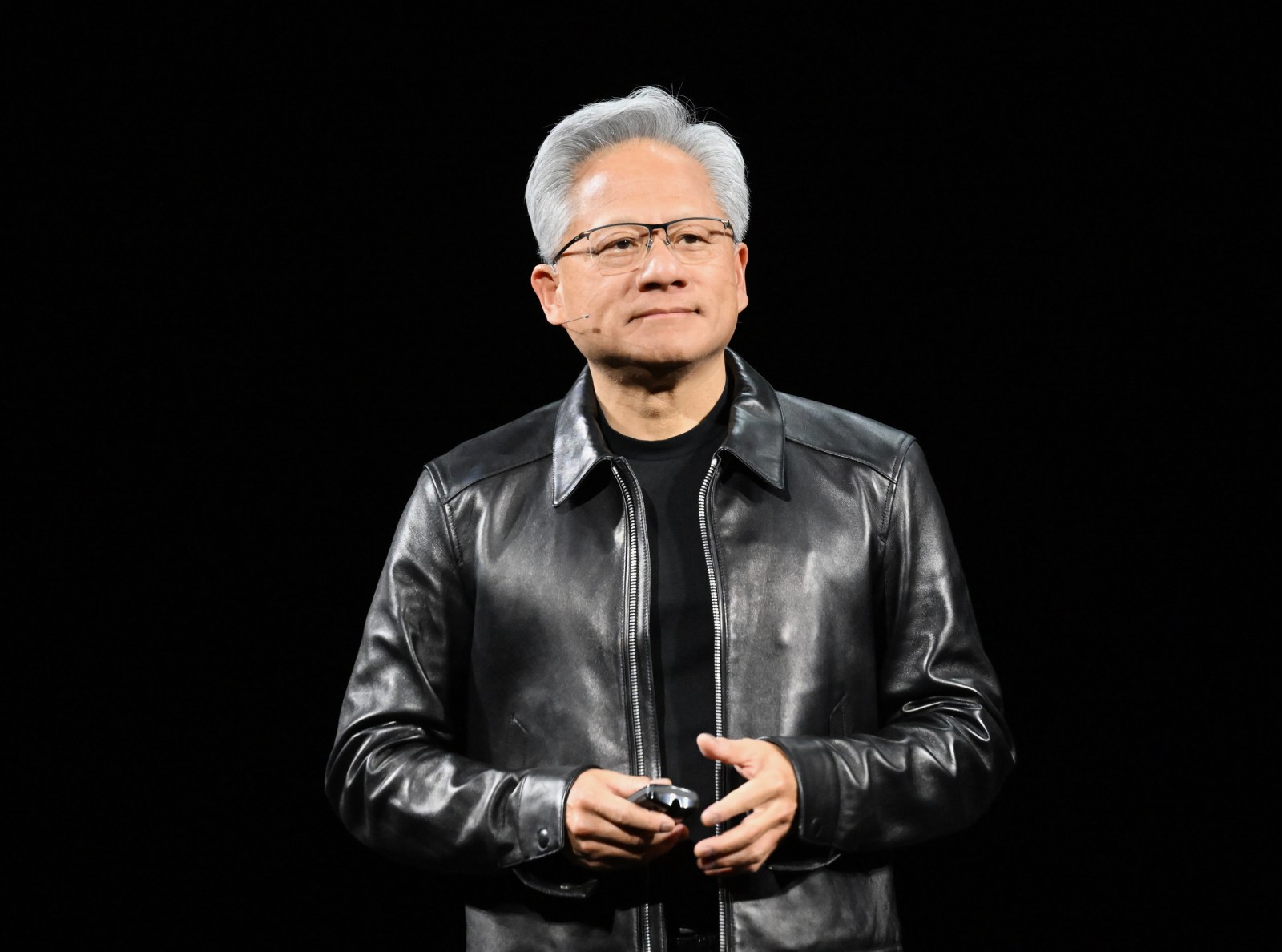
Nvidia faces a critical moment as reports emerge about CEO Jensen Huang being targeted in a foreign intelligence effort, following his acknowledgment of an affair. This situation highlights a pressing question for the company: What occurs if the only CEO it has ever known is no longer in charge? The incident raises concerns about the company’s future direction and stability.
Succession Planning Concerns
The potential departure of Huang, who co-founded Nvidia in 1993 and has been pivotal to its success, brings forth significant succession challenges. Analysts like Dan Ives note the absence of a clear succession plan, underscoring the risk associated with Huang’s central role. Jay Aldebert, with extensive experience advising businesses, warns against trying to replicate Huang. Instead, he suggests a shared leadership approach to mitigate the risks tied to key individuals.
Dave Altavilla highlights Huang’s unique contributions, emphasizing that his influence goes beyond simply leading the company. He is credited with crafting Nvidia’s strategies in accelerated computing and AI infrastructure. The prospect of change at the helm could lead to uncertainty among investors and stakeholders.
Investigating Security Concerns
Nvidia’s board is conducting an independent investigation into reports of Huang being targeted by foreign intelligence. The alleged affair with a Chinese business executive, Alice Huang, has raised national security concerns due to Nvidia’s role in AI chip production. Both the company and the U.S. authorities are examining these claims, though Nvidia maintains there is no current evidence of compromised security or company secrets.
The board has retained legal expertise to explore these matters, aided by firms like Wachtell, Lipton, Rosen & Katz. Jensen Huang has publicly supported the investigation, expressing his willingness to cooperate fully.
Potential Leadership Transitions
In the event of a leadership transition, Colette Kress, Nvidia’s chief financial officer, is identified as an interim candidate capable of providing stability. She is already well-regarded in financial circles. Aldebert suggests looking internally first for immediate succession to maintain continuity.
Externally, names such as former Intel CEO Pat Gelsinger, Arm CEO Rene Haas, and AMD CEO Lisa Su have been mentioned. However, Aldebert stresses the importance of finding someone who understands Nvidia’s technology and global business, and who can immediately gain the trust of customers and investors.
Rethinking Leadership Structure
Aldebert advocates for a shift in leadership dynamics rather than seeking another visionary founder to replace Huang. This change could involve distributing responsibilities across a broader executive team, ensuring that Nvidia operates as a cohesive business entity rather than relying on a single leader.
The board’s challenge lies not only in finding a capable successor but also in demonstrating to the market that Nvidia’s strength is anchored in its technology and team, beyond any one individual.
Leave a Reply