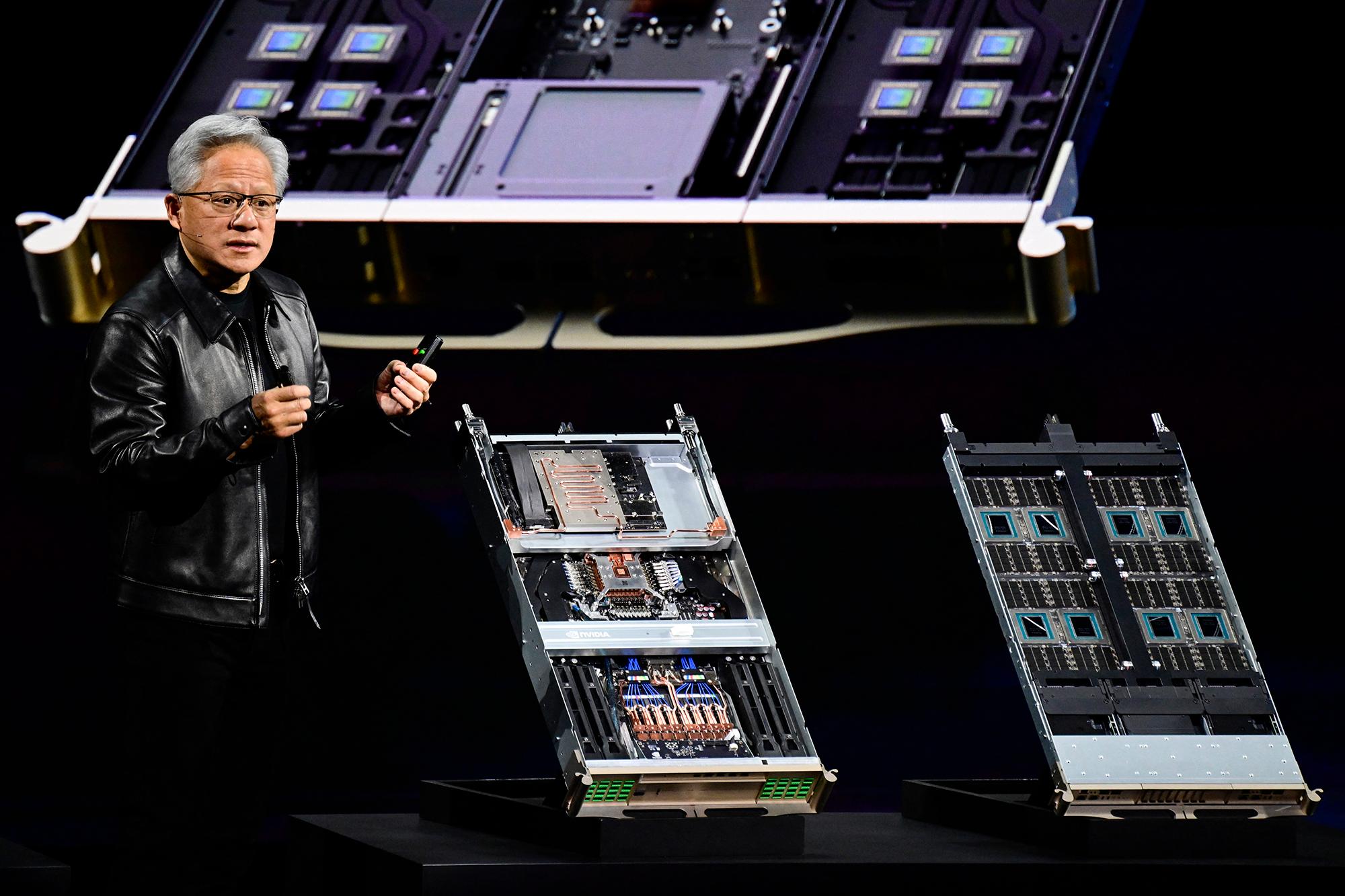
Jensen Huang, co-founder, president, and CEO of Nvidia, spoke at the Nvidia GTC Berlin 2026 Artificial Intelligence conference on October 21, 2026. Recent developments reveal a potential espionage operation by China targeting Huang. This raises significant concerns over the ongoing AI race and the potential impact on the U.S. industry.
Reports mention Huang’s admitted affair with Alice Huang, who appears to have passed information to the Chinese. Authorities need to investigate this situation thoroughly and consider retaliatory measures. Nvidia plays a vital role in AI advancement, valued at $4.5 trillion, making the company and Huang central to this discourse.
The political landscape around this issue is heated. Democrats may attempt to use this scandal to impose constraints on the AI sector. Senator Bernie Sanders, for example, previously suggested government ownership of AI firms and now supports legislation that could slow AI progress, potentially benefiting China.
Concerns about AI are compounded by ongoing myths about data center energy and water use, which some Democrats argue degrade the environment. Senator Chris Coons has called for further investigation into relationships between AI leaders and the Trump administration.
Despite Nvidia’s board asserting national security was not at risk, clarity remains elusive about any compromised information. Former Secret Service agent Paul Eckloff highlights Huang’s influence in shaping U.S. export policies for AI technology.
China’s history of espionage in America includes prior incidents involving high-profile figures. Yet, Huang’s potential downfall could harm the AI sector and inadvertently aid China’s ambitions.
Jensen Huang’s case exemplifies the complex interplay of national security, industry leadership, and political agendas. It underscores the importance of maintaining a strategic focus on technological advancement without hindrance from internal conflicts.
Leave a Reply