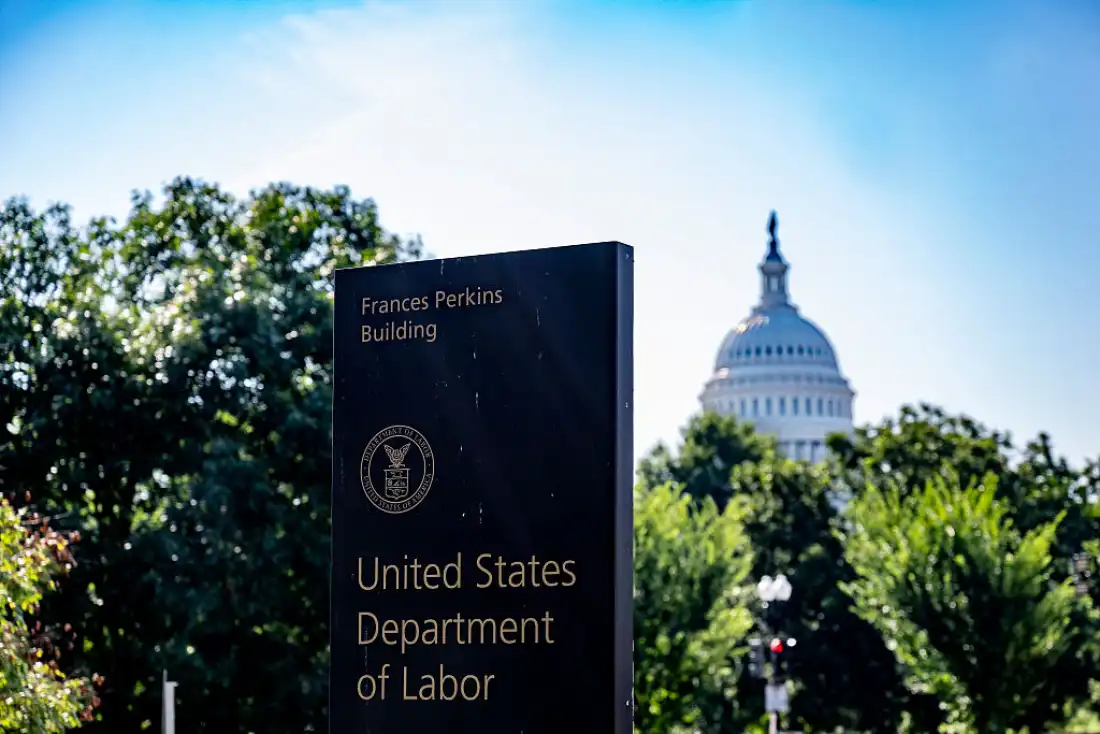
The U.S. Capitol serves as a symbolic backdrop as the Supreme Court justices expressed differing opinions on a case challenging federal regulatory authority. At the core of the debate is whether agencies can continue imposing fines on businesses without infringing on legal rights.
For years, farmers have utilized a federal immigration program enabling them to hire migrant workers temporarily. This program, regulated by the Department of Labor, ensures workers receive adequate wages and basic living conditions. Sun Valley Orchards, based in New Jersey, was fined $500,000 for failing to maintain sanitary conditions. This included unsafe drinking water, overcrowded living spaces, broken facilities, and unpaid wages.
Sun Valley challenges the fines, asserting the Labor Department’s actions are unconstitutional. They argue the process denies them a jury trial right in federal court.
Chief Justice John Roberts suggested previous administrations might have overstepped executive powers, potentially encroaching on the judiciary’s domain. He questioned Deputy Solicitor General Sarah Harris on the extent of executive authority.
It seems you’re expanding the executive branch’s authority unjustifiably,Roberts commented.
Justice Sonia Sotomayor questioned the disruption if federal courts handled such enforcements instead. Harris warned this approach would significantly affect programs like Medicare and federal student loans.
Justice Elena Kagan posited if court enforcement should be standard, Harris, emphasizing resource constraints, predicted under-enforcement of laws.
Sun Valley Orchards’ attorney, Robert Johnson, argued that penalties should be decided in federal courts. Justice Ketanji Brown Jackson challenged him, pointing to Congress’s intent to protect domestic workers.
Justice Brett Kavanaugh criticized the proposal’s lack of clarity, while Justice Samuel Alito noted its haphazard nature. Justice Kagan humorously responded, Not ever us!
Deputy Solicitor General Harris candidly warned the potential ruling’s impact. She stressed that a loss might compel the administration to engage Congress to address systemic changes effectively.
Leave a Reply