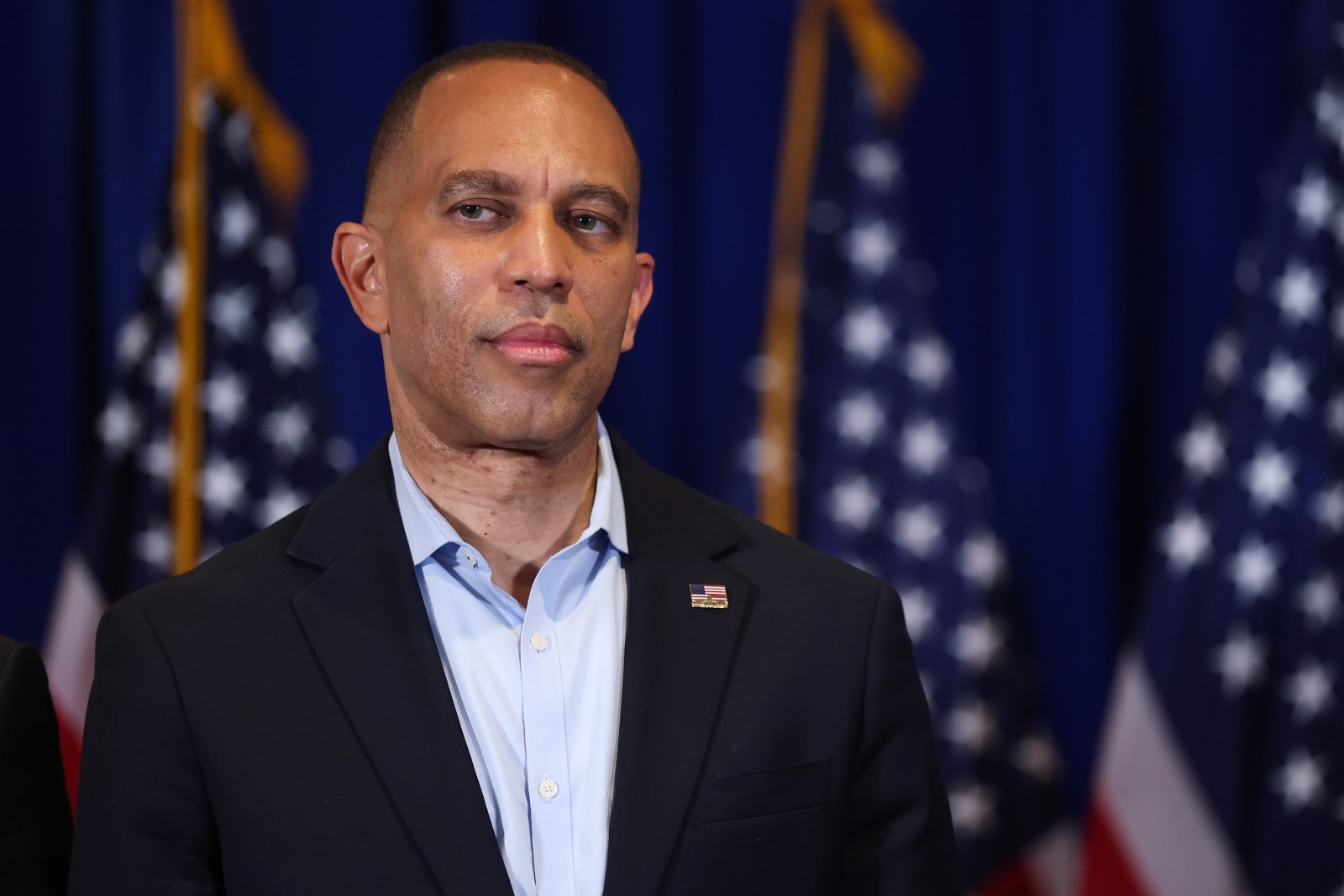
Kevin McCarthy’s leadership as House speaker was marred by internal Republican strife, ultimately contributing to his exit. Now, Representative Hakeem Jeffries is campaigning for the same role and is favored to become the first Black House speaker in the upcoming Congress. However, Jeffries is encountering early opposition from progressive Democrats critical of his stance on Israel and his meeting with Jared Kushner, former President Trump’s son-in-law, before the midterm elections. This has raised concerns about potential challenges within his party akin to those that McCarthy faced.
Resistance and Party Dynamics
Currently, there’s no sign of a revolt comparable to the one that resulted in McCarthy undergoing 15 ballots in 2023. Nonetheless, Jeffries faces an early test of whether he can maintain unity within a diverse majority. As University of Tennessee professor Andy Busch notes, Jeffries is being challenged from the ideological edge of his party, similar to McCarthy’s experience with the far-right.
McCarthy faced opposition from far-right Republicans, while Jeffries encounters dissent from progressives. Their concerns highlight key differences and potential friction within the Democratic Party.
The Role of House Speaker
The House speaker leads the House of Representatives and its majority party, setting legislative agendas and guiding bills. The role is pivotal due to its influence over legislation reaching the floor and negotiations with the Senate and the White House.
Progressive Pushback
The House speaker vote is a critical moment for Democrats to demonstrate unity following midterm victories. Despite this, Jeffries’ speaker bid faces early obstacles. He currently serves as House minority leader and announced his candidacy for speaker after the midterm elections.
Democrats hold a larger majority in the House than Republicans did under McCarthy, with at least 254 Democrats compared to 165 Republicans. This advantage allows Jeffries more leeway with party defections, unlike McCarthy, who faced a narrower majority and less room for dissent.
Persistent Division
While Democrats showed unity on key election issues, the party remains divided on its direction and governance approach. Notable figures like Claire Valdez, Darializa Avila Chevalier, and Melat Kiros have expressed uncertainty in supporting Jeffries.
These divisions indicate what Jeffries may have to navigate as a leader. According to Busch, these disagreements aren’t currently detrimental to Jeffries but could reveal vulnerabilities in the long run.
Progressive Concerns
One major source of opposition for Jeffries is his support for Israel and relationship with AIPAC. While maintaining a pro-Israel stance, Jeffries has also suggested a shift in the U.S.-Israel relationship. Balancing this with a Democratic caucus divided on Israel policy could prove challenging.
Public opposition is also mounting, with a petition against Jeffries garnering significant support. Despite this, Northwestern University professor Laurel Harbridge-Yong believes Democrats will resolve differences internally to avoid disruptions similar to McCarthy’s experience.
McCarthy’s Fall and Future Considerations
McCarthy endured 15 voting rounds to secure the speaker position in January 2023, making many concessions to conservative holdouts. In September, internal Republican divisions culminated in his removal. Aided by Democratic votes, a motion led by Matt Gaetz succeeded in ousting McCarthy. He opted not to seek the speakership again and announced plans to resign from Congress by the year’s end.
The Path Forward
House Democrats are set to conduct leadership elections on November 18 behind closed doors to choose their speaker nominee. Jeffries is uncontested and expected to win the nomination. The decisive vote will occur when the new Congress convenes on January 3, 2027, where the full House elects the speaker by majority vote.
Republicans have chosen their leaders for the upcoming Congress. Representative Jim Jordan of Ohio will serve as House minority leader, while John Thune will continue as the Senate minority leader.
Leave a Reply