The recent midterm elections left a lasting impact on Senate Republicans. Many are coming to terms with a challenging political landscape. The possibility of regaining control of the Senate may be years away.
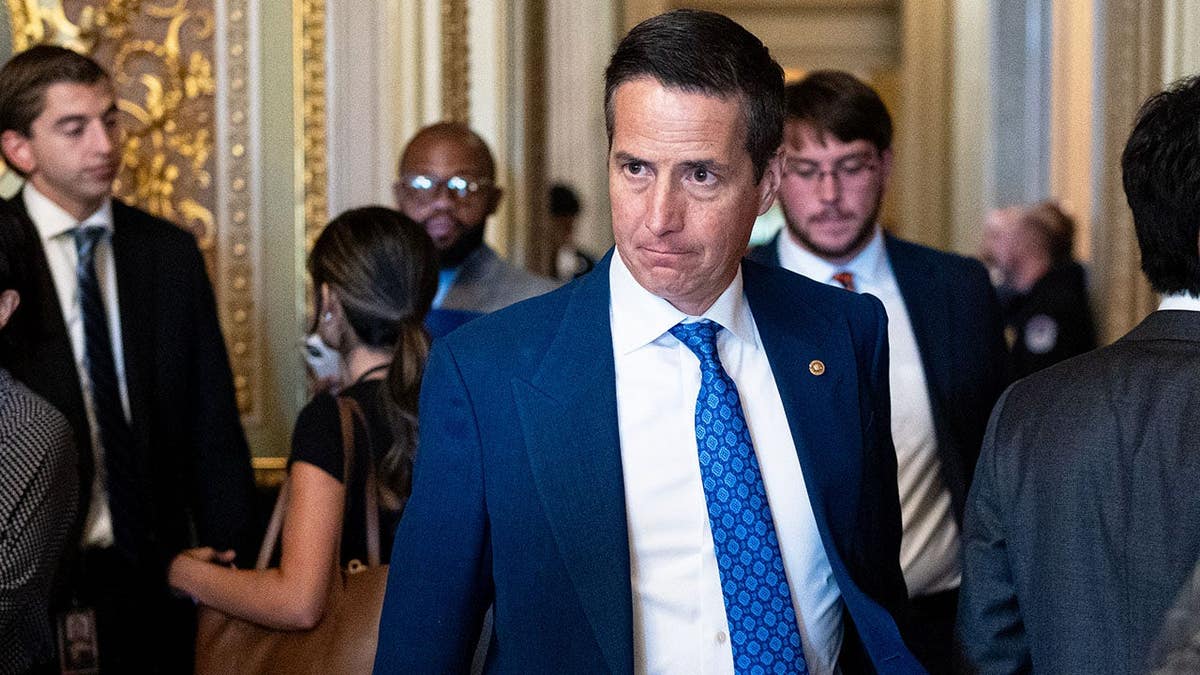
Initially, this year’s Senate map seemed favorable for Republicans as they aimed to uphold and expand their 53-seat majority. However, the map for the 2028 cycle looks daunting for Republicans. New campaign chief, Sen. Bernie Moreno, R-Ohio, expressed concerns about the difficulty of reclaiming the majority.
“The map to reclaim the majority in 2028 is very tough,” Moreno stated.
Democrats have only three incumbents in battleground states for re-election, while Republicans must defend seats in several deep-red states like the Carolinas, Kansas, and Iowa. Ohio, Moreno’s state, is also in play after Sen.-elect Sherrod Brown’s victory over Sen. Jon Husted, R-Ohio.
Moreno described the situation as brutal but noted that politics can change rapidly. He emphasized the need for discipline, honest data assessment, and accountability among incumbents and candidates. He also stressed the importance of appealing to donors.
Not everyone shares Moreno’s optimism. Sen. Steve Daines, R-Mont., who led the National Republican Senatorial Committee during the Republicans’ Senate takeover in 2024, likened the challenge to chipping away at an early lead in a baseball game. He believes a return to the majority could take several cycles.
“Now the Democrats can’t help themselves, but they’ll overreach,” Daines said. “They’ll be out of step with where America is, and they’ll provide an opportunity for us to win some Senate seats.” However, he admitted it would take time.
Senate Majority Leader John Thune, R-S.D., freshly elected as the minority leader, agreed. He pointed out that Democrats’ potential overreach could offer Republicans a chance. Despite the recent setbacks, there’s a belief in opportunities for favorable shifts in future election cycles.
Thune highlighted how, in 2005, Republicans enjoyed a 55-seat majority—historically their best position. However, by 2006, they were back in the minority. He emphasized that election cycles vary significantly, and country mood influences outcomes as much as the electoral map.
The current political landscape offers Republicans an opportunity to focus on their states rather than aligning with Trump, as his presidency draws to a close. Sen. Thom Tillis, R-N.C., who retired last year after his state flipped, suggested that 2028 might be out of reach. He anticipates more favorable conditions by 2030.
Reflecting on the recent internal discussions, Tillis mentioned a growing awareness of the need for a better feedback loop and performance-based accountability. He underscored the necessity for Republicans to be realistic about their prospects.
Alex Miller, a writer for Fox News Digital, covers the U.S. Senate.
Leave a Reply