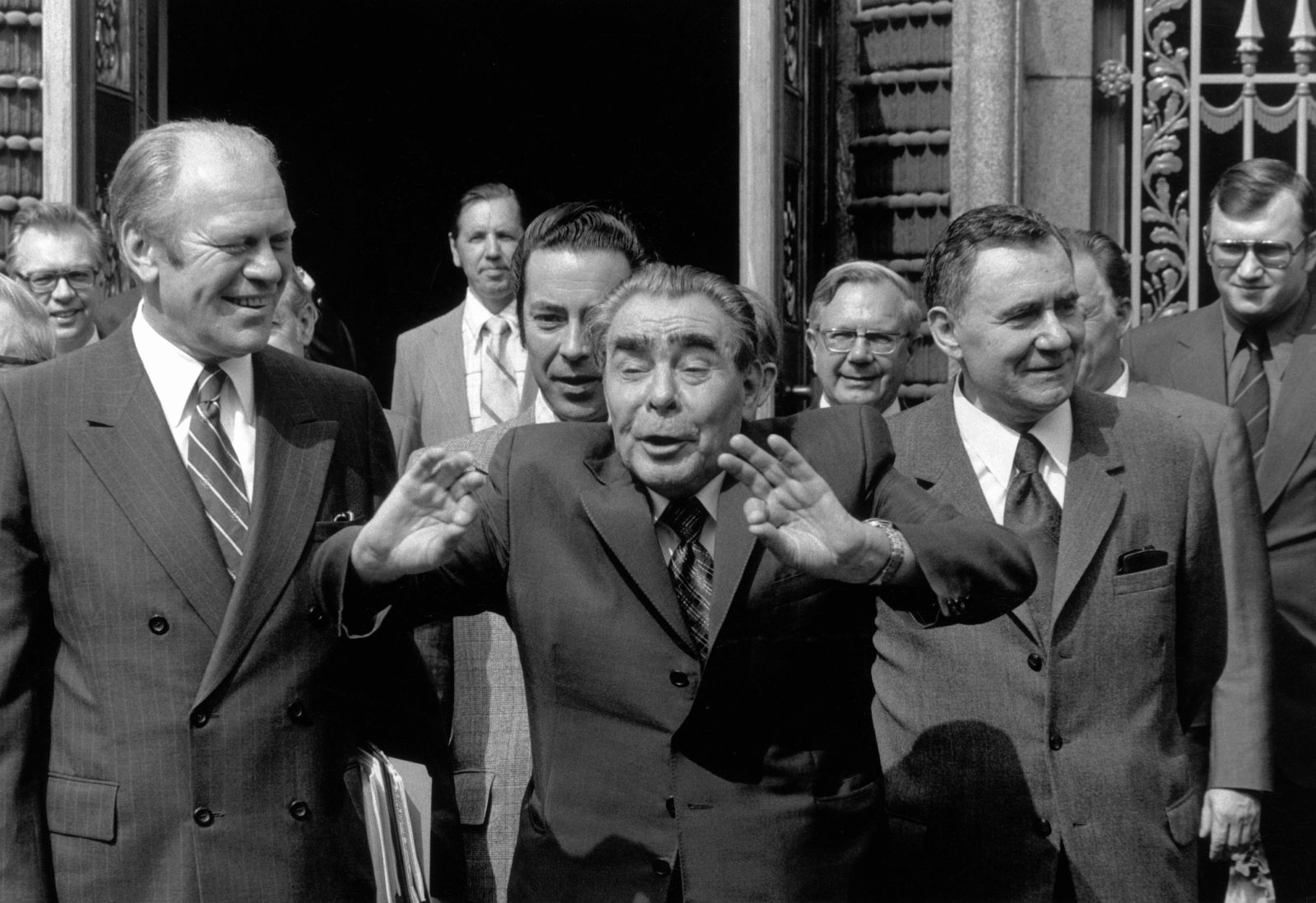
Russia’s lead negotiator, Vladimir Medinsky, emphasized that his focus at the Abu Dhabi talks was not merely achieving peace in Ukraine. He aimed to establish a comprehensive European security system. Medinsky referred to creating a “new, modern Yalta and Potsdam,” infused with the spirit of the 1975 Helsinki Accords. The agreement was a Cold War-era victory where 35 nations, including the US and the USSR, set rules for security in Europe.
The Helsinki Accords were not legally binding but had clear principles. Medinsky suggested these should support the next European security structure. Yet, in the past decade, Russia has breached several of Helsinki’s fundamental commitments. These actions include the annexation of Crimea in 2014, the 2022 invasion of Ukraine, and the attempted annexations of four more regions.
Principles at Stake
The Helsinki Final Act’s principles include sovereign equality, non-use of force, and territorial integrity. Sovereign equality acknowledges a nation’s right to decide its political and security arrangements. Non-use of force prohibits threatening another state’s sovereignty. Territorial integrity bars the acquisition or occupation of territories by force, making them illegal.
Russia’s actions over the past decade violate these principles. Moscow has pressured Ukraine to abandon NATO ambitions, while Helsinki endorses a country’s right to choose its alliances.
The Russian Perspective
Moscow sees the start of current conflicts not in 2014 or 2022, but as a result of decades of security erosion. Russian officials, including Medinsky, assert that their 2021 security claims, demanding NATO deny Ukraine membership, remain key to their stance. Evgeny Buzhinsky, a former Russian military negotiator, dismissed NATO’s defensive claims as inconsequential.
The notion of indivisibility of security, recognized by Helsinki, suggests that no nation should enhance its security at the expense of another. Moscow argues NATO expansions and European military aid to Kyiv undermine this principle.
Without European Engagement
Helsinki involved 35 states in shaping Europe’s security future. Yet, Russia’s recent talks did not include European representatives. Medinsky mentioned that European participation could happen once they “awaken their conscience.” This exclusion partly stems from the EU’s indecision on representation and Moscow’s perception of European disdain.
Buzhinsky voiced skepticism over constructive talks with the EU due to pervasive “Russophobia” among its states. The sentiment extends to a reluctance to engage with EU leaders. Despite this, there is resistance to excluding Europe indefinitely. Jared Kushner stressed European involvement in future discussions and criticized Brussels’ ability to unify under a single negotiator.
Leave a Reply