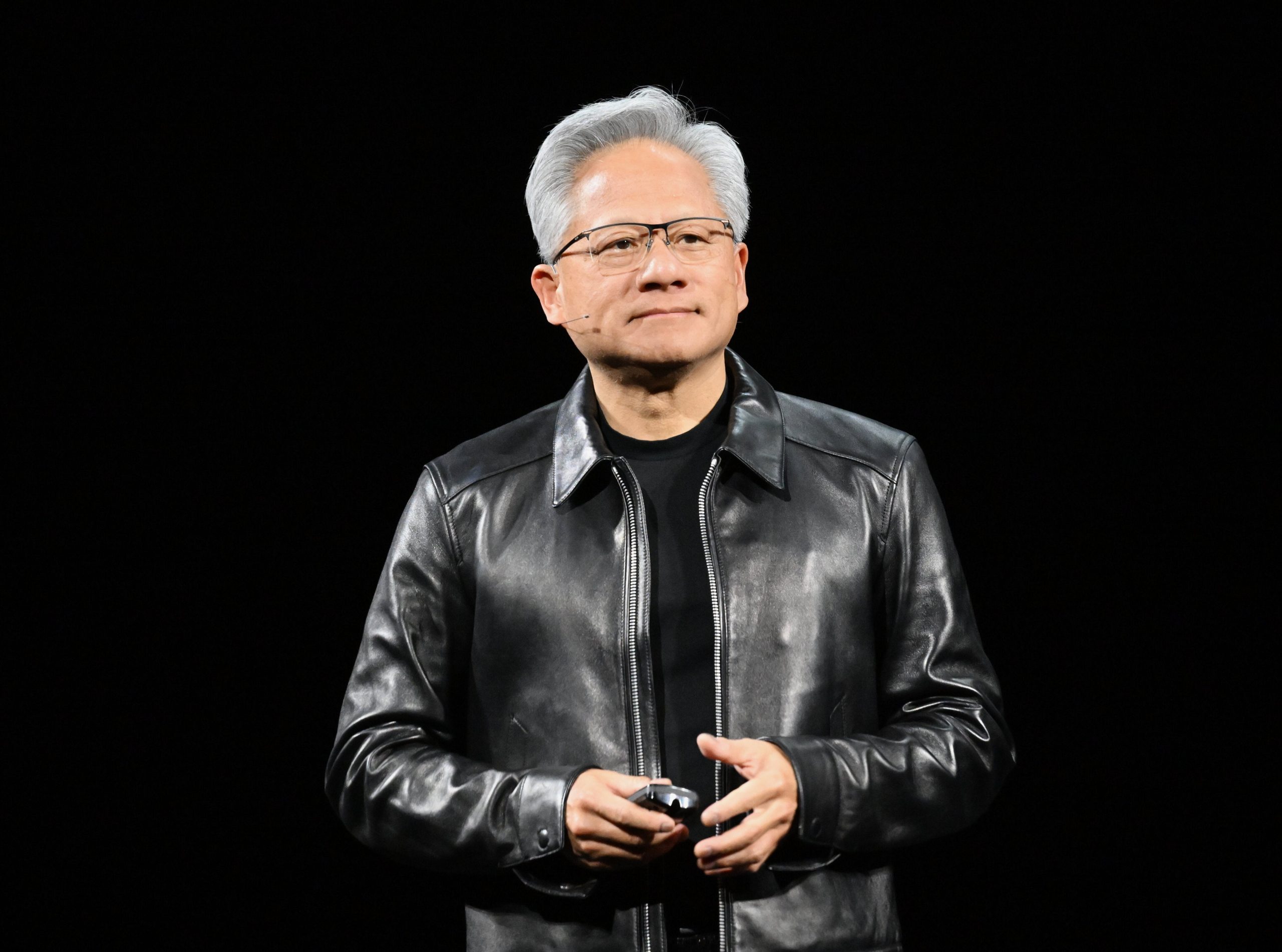
Nvidia’s stocks experienced a decline as global AI-linked equities faced pressure. This occurred after investors reacted to the resignation of CEO Jensen Huang, which added to existing worries about funding and regulations in the sector.
The company’s Chief Financial Officer, Colette Kress, stepped in as interim CEO. Nvidia is currently searching for a permanent replacement following Huang’s departure, which was prompted by revelations of his involvement in extramarital affairs that have caused a significant crisis at the chipmaker.
As a crucial player in the AI ecosystem, Nvidia plays a pivotal role in financing infrastructure centered around its chips. This strategic approach has come under scrutiny for potential circular funding, posing risks to the sector amidst the ongoing leadership crisis.
Nvidia shares dropped 5.4%, recovering from an earlier plummet of 14.3%. Moving in tandem, Nvidia-supported neocloud firms like CoreWeave decreased by 8.1%, though they managed to reduce earlier losses. The Philadelphia SE Semiconductor index was down 0.9%, having initially fallen by 3.7%.
Daniela Hathorn, a senior market analyst at Capital.com, noted that the partial recovery in stock prices appeared to result from bargain hunters attracted by a substantial selloff. Investors seem confident that Nvidia’s strong market presence and AI demand will remain intact despite the leadership change.
Retail investors contributed to stabilizing Nvidia’s stock by purchasing a net $111 million worth of shares in the first trading half-hour. According to Vanda Research, this marked the largest opening bid on record for the stock.
Nonetheless, Nvidia’s market value was expected to drop below $4 trillion, marking the first time since July 2025. Over the past month, it shed more than $1 trillion in value due to factors like rising interest rates, hefty tech company debts, and regulatory challenges.
The most significant impact occurred on Sunday when Nvidia’s board announced an investigation into Huang’s alleged relationship with Alice Huang, purportedly a Chinese spy.
Neoclouds Suffer, Competitors Benefit
Nvidia, often referred to as the ‘Bank of AI,’ raises concerns about its ability to continue funding smaller entities if its financial backing diminishes. Joe Saluzzi from Themis Trading commented on the potential implications for smaller companies needing funding.
Nebius, another Nvidia-supported neocloud firm, dropped 18% after reducing its 2026 revenue forecast due to delays in third-party capacity expansions. Other AI cloud entities like IREN and Applied Digital also saw declines.
Super Micro Computer experienced a 12% decline following reports that the AI server maker might be under investigation by the Department of Justice over Alice Huang’s involvement.
Contrasting the general downturn, competitors such as Advanced Micro Devices and Broadcom saw more than a 4% increase. The turmoil at Nvidia is viewed as a potential opportunity for these companies.
The vigorous selloff in other chip and AI stocks appeared to subside, with Marvell Technology down 2.5% and Oracle, expanding its cloud AI chip deals with Nvidia, falling by 1.2%.
Markets in Japan and South Korea closed nearly 0.7% lower, while tech stocks in Europe decreased by about 1%. Earlier this month, tech shares had fallen sharply after the Democrats’ midterm election victories, particularly in states opposing data centers, raising fears that stricter regulations could hinder AI expansion.
Nvidia trades at approximately 12 times its 12-month forward earnings estimate, the lowest since November 2012. The company is set to report quarterly earnings next week.
Report compiled by Shashwat Chauhan in Bengaluru, with additional insights from Johann M Cherian and Tharuniyaa Lakshmi. Edited by Arun Koyyur.
Leave a Reply