Bananas are a popular fruit known for their versatility and nutritional benefits. However, their nutritional effects on your health change with degrees of ripeness. As a banana progresses from green to overripe, its content of sugar, starch, and vitamins transforms, impacting your dietary needs.
Underripe Bananas
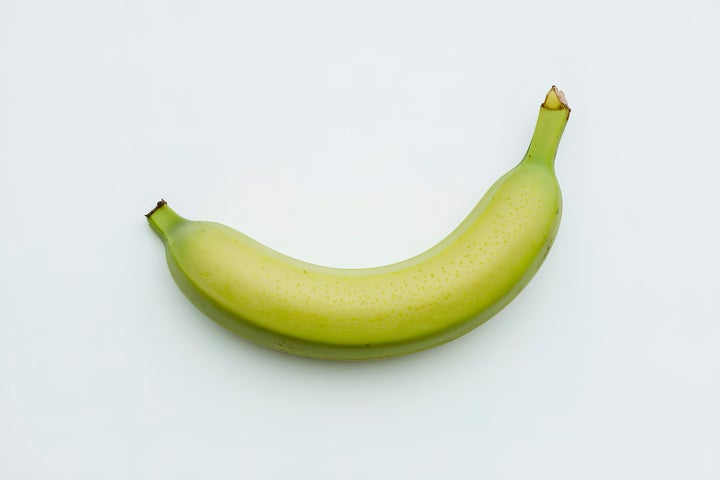
Green and firm, underripe bananas are rich in resistant starch, providing a satiating effect. According to Avery Zenker, a registered dietitian, this starch is beneficial for gut health and stable blood sugar levels. It digests slowly, similar to fiber, and can help manage blood glucose levels in people with conditions like Type 2 diabetes. Pairing a green banana with peanut butter adds protein and healthy fats, enhancing benefits. However, athletes and those sensitive to resistant starch may experience digestive discomfort.
Barely Ripe Bananas
With some green at the ends, barely ripe bananas are slightly softer yet still dense. Their resistant starch begins converting to sugars, maintaining stable mineral levels like potassium and magnesium. Zenker suggests them for individuals needing digestive benefits without drastic blood sugar effects. Ideal for those with insulin resistance or digestive conditions, they also support women through hormonal changes post-menopause.
Ripe Bananas
Fully yellow and soft, ripe bananas have a pleasant aroma. While they closely resemble barely ripe bananas nutritionally, ripe bananas have increased sugars and antioxidants but reduced fiber. They provide valuable minerals like potassium and magnesium. Zenker recommends ripe bananas for pre-workout energy, potassium intake, or children seeking a sweet snack. They strike a balance for those desiring fiber without digestive issues.
Very Ripe Bananas
Soft with brown spots, very ripe bananas contain heightened sugar and reduced fiber. Their distinct sweet taste suits those needing quick energy or a snack gentle on digestion. While not ideal for those managing blood sugar, they offer an irresistible option for satisfying a sweet craving.
Overripe Bananas
Mushy and dark, overripe bananas have the highest sugar content but diminished vitamin C levels. They maintain potassium and gain some folate. This stage suits baking, smoothies, or freezing rather than a raw snack. Athletes might find them useful for fast calories, though diabetics or those prioritizing fiber might opt for other stages. Sauceda highlights that using less banana in smoothies reduces additional sugars.
Bananas, regardless of ripeness, offer nutritious choices. While taste preference often guides selection, understanding the nutritional shifts can better meet your health goals. Amanda Sauceda confirms their value, saying, “Overall, bananas are a great fruit whether you eat them green or ripe.”
Leave a Reply