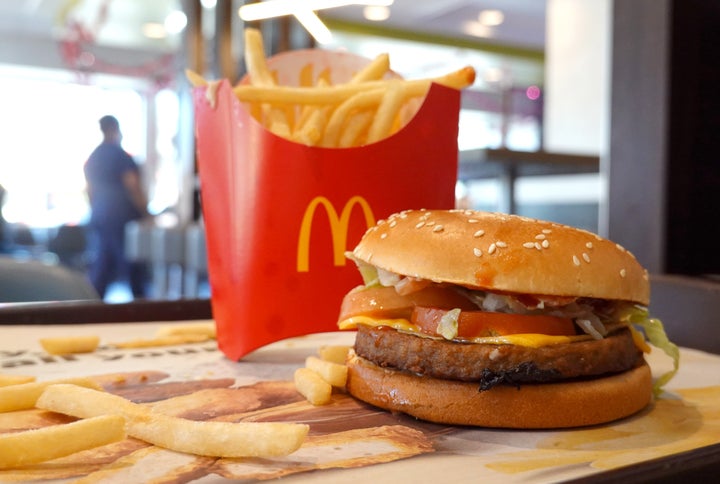
Actor Jessica Biel once mentioned that her kids don’t eat McDonald’s due to concerns about the quality and cost of the food. This statement sparked a debate on whether McDonald’s is suitable for children. Many parents worry that offering fast food makes them appear as ‘bad parents’ or that it is ‘unhealthy.’ However, nutritionists argue that it’s not so straightforward.
Perspectives from Nutritionists
Nutritionists have shared their views on allowing children to eat McDonald’s, emphasizing a balanced and realistic approach to food.
Home-Cooked Focus with Occasional McDonald’s
Rachel Trotta, a nutrition specialist, encourages a healthy relationship with food, avoiding strict rules. Her approach includes home-cooked meals complemented by whole foods. Trotta doesn’t prohibit McDonald’s but wants her daughter to develop an intuitive understanding of hunger and fullness signals.
Food Neutrality and Inclusivity
Julia Cassidy, a dietitian, believes food should not be labeled as ‘good’ or ‘bad.’ Her sons occasionally enjoy McDonald’s in the same way they would any other meal. She values the convenience and sometimes incorporates it into family traditions.
Special Occasions Only
Megan Wroe, from St. Jude’s Wellness Center, sees no food as completely off-limits. She aims to provide real and homemade food most of the time. Fast food is reserved for special events or when necessary due to scheduling constraints.
Occasional Social Situations
Aliza Marogy, a nutritionist in England, allows McDonald’s for rare social events. She emphasizes educating her child about nutrient-dense foods and occasionally makes homemade burgers as an alternative.
Balancing Convenience and Nutrition
Heidi McIndoo, a Boston dietitian, advises against labeling foods as strictly ‘good’ or ‘bad,’ highlighting that total bans increase appeal. She balances McDonald’s meals by combining it with healthier options like milk and apple slices.
Sarah Schlichter stresses flexibility, viewing McDonald’s as a convenient, affordable choice. She believes in adding nutritious components to meals, avoiding rigid food categories.
Occasional and Balanced
Nikki Fata, from Nutrition with N, supports including McDonald’s in a varied diet due to its accessibility and affordability. Fata acknowledges that even fast food provides essential nutrients, balancing it with other dietary needs.
Kristi Ruth, of Carrots and Cookies, allows her kids to eat McDonald’s if someone else takes them. Although she dislikes its taste, her stance reduces her children’s interest.
Yvette Hill, a dietitian, permits her children to enjoy McDonald’s socially. She maintains dietary balance at home, opting for homemade versions that her children prefer.
Concluding Thoughts
In summary, many nutritionists agree that McDonald’s can fit within a healthy diet. It is crucial to help children develop positive food relationships free from guilt. Food choices are personal, and each individual should make informed decisions that suit their needs without shaming others.
Leave a Reply