On October 28, 2015, I left my job as a high school teacher feeling extremely unwell. Initially, I suspected the flu, dismissing my symptoms as seasonal allergies, persistent headaches, and the toll of juggling work and motherhood. However, the discomfort surged; my head felt as if it was on fire, and I could barely open my eyes. My condition deteriorated into nausea triggered by even slight odors, forcing me to leave school early for the first time in 15 months.
At the school nurse’s office, I learned I had a fever. I decided to return home, avoiding distractions like bright lights and odors. That day, my ex-husband had custody of our children, allowing me to crawl into bed upon reaching home. My fever kept escalating, compelling me to seek assistance the next day to pick up my children. My mom urged me to consult a doctor, concerned about my health.
Awaking later, I perceived loud voices of my deceased relatives, rooted in an indescribable experience. Black bats appeared in the room’s corners, a surreal spectacle. Dizzying sensations ensued, sparking a fear-driven need for medical intervention. After contacting my boyfriend, I was driven to urgent care, eventually reaching the emergency room of a local hospital.
There, a CT scan revealed an apparent brain mass, necessitating further tests. An ambulance rushed me to the University of Pennsylvania Hospital’s intensive care unit. The doctors diagnosed brain infection, administering antivirals to counteract rapid inflammation threatening to induce a coma.
Following lumbar punctures and scans, I learned I harbored herpes simplex virus encephalitis, a rare condition where the common HSV-1 virus infects the brain. Approximately 1 in 250,000 to 500,000 experienced this anomaly, often ushering in severe symptoms or fatal outcomes.
Throughout the ordeal, I pondered my predicament, seeking elusive explanations online that offered little consolation. My neurologist described unusual auditory and visual experiences attributed to brain seizures from the virus, alleviated by anti-seizure medication. The hospital discharged me after a week, but I continued antiviral treatments at home with nursing assistance.
As I recuperated, sensory sensitivities lingered. Light was unbearable, and I consumed Gatorade in small sips. Intravenous supplies filled my home, starkly contrasting my once-independent life. The journey became a solitary navigation of encephalitis effects like chronic fatigue and emotional fluctuations.
I connected with encephalitis survivors, uncovering shared challenges like memory loss, fluctuating recovery, and lasting brain fog. Encouragement from personal associations juxtaposed against limited professional guidance, testimony to recovery’s intricacies.
Balancing roles as a teacher and mother, good days allowed for task completion and family interactions. Yet during bad days, exhaustion diminished my capabilities. I embraced empathy for students with neurological differences, incorporating organizational strategies into daily routines. This experience nurtured newfound patience and resilience in personal and professional realms.
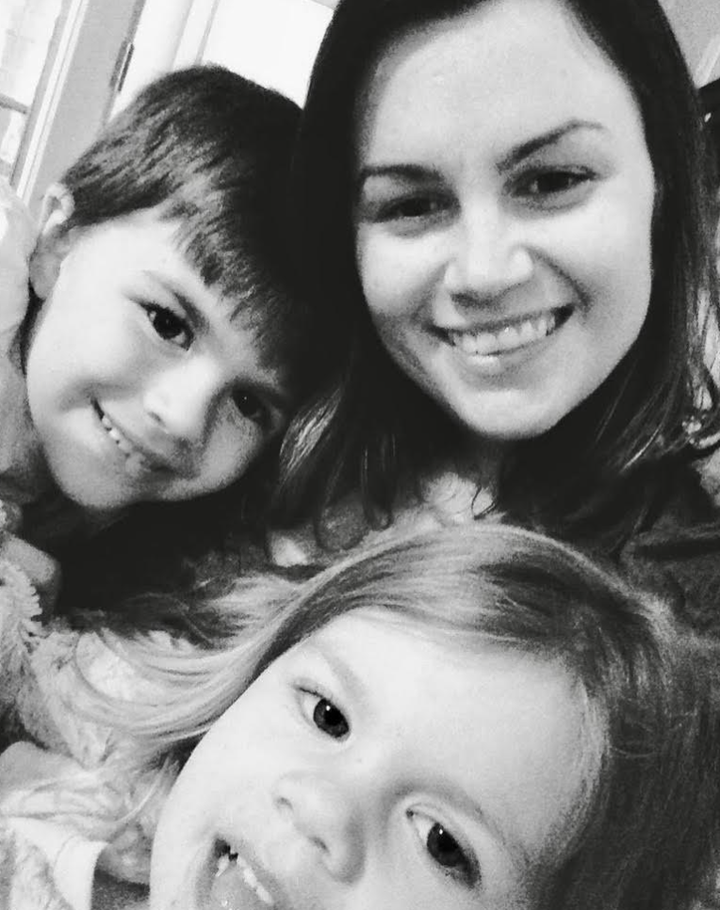
Through the trials, life perspectives shifted. Post-encephalitis life illuminated significant moments and cultivated gratitude. Cherished interactions with my children gained importance, from hairstyling sessions with my daughter to playing catch with my son. Each activity held newfound joy and appreciation.
Though encephalitis reshaped me, it unveiled enduring strength. Surviving bestowed deeper connections to life’s fleeting beauty and gratitude for understanding companions. The incident transformed my outlook, fostering a life enriched with compassion and authenticity.
Brigid Ward continues to teach high school English with dedication while engaging in storytelling. She cherishes familial and creative pursuits outside of Philadelphia, maintaining a rich connection with the community. For further inquiries, Brigid can be reached at [email protected].
Leave a Reply