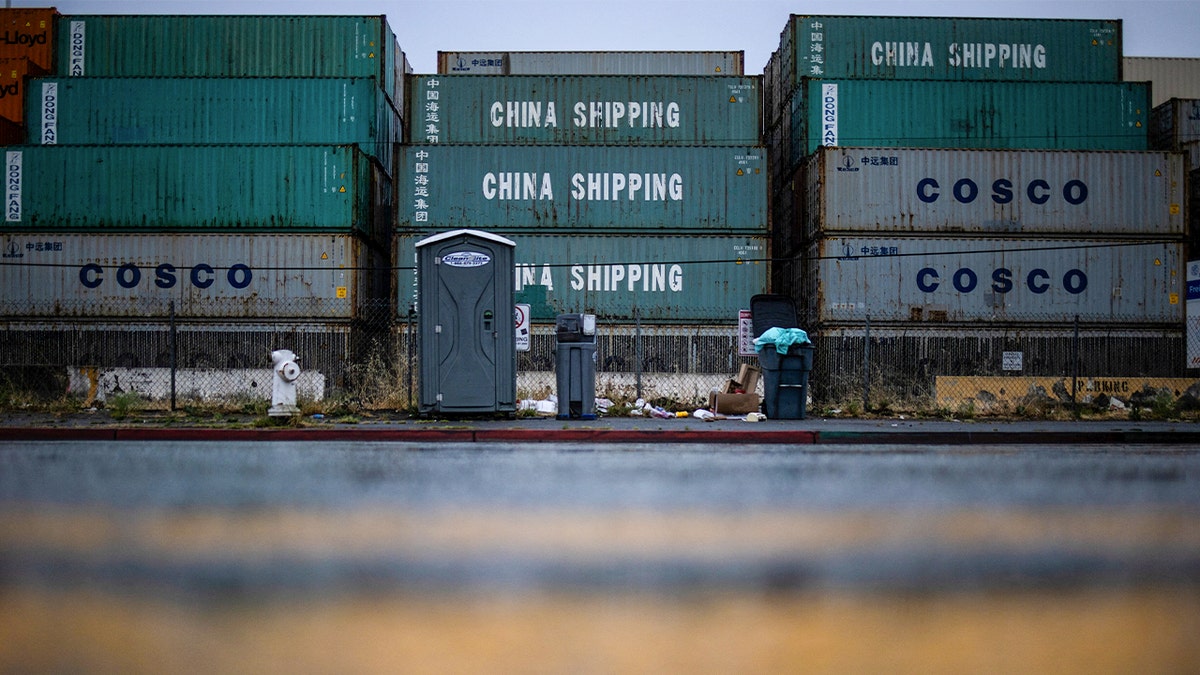
In December 2001, China became a member of the World Trade Organization (WTO), entering the global economy. The United States played a key role by granting China permanent normal trading relations status a year earlier. This decision provided China access to the U.S. economy, similar to that of close allies like Great Britain and Israel. Reflecting on this, many, including former senators, now consider it a significant misstep.
Since joining the WTO, China has evolved into a substantial economic and military force. Concerns have grown due to actions, including alleged genocides involving Uyghurs, Tibetans, and Falun Gong practitioners. China has built alliances, influenced global human rights situations, and expanded its military, including a naval fleet surpassing that of the U.S.
By allowing China to join the WTO, the U.S. made a fundamental policy error.
Initially, the U.S. believed that engaging China in international trade would lead to more openness and freedom within the country. The expectation was that exposure to the global economy would attract China towards democratic values.
However, many now see this as a miscalculation. As tensions rise, views have shifted towards ending China’s permanent normal trade relations with the U.S. Historical perspectives compare this situation to the long-standing Cold War with the Soviet Union, where trading privileges were never extended due to ideological conflicts between communist regimes and capitalist democracies.
Critics argue that China has deceptively increased its influence, portraying a façade of partnership while seeking global dominance. By denying adversarial access to U.S. markets, like previously with the Soviet Union, the aim was to weaken their economic capabilities. This strategy contributed to the Soviet collapse when pressured by the Reagan-era defense buildup.
Reviving a similar approach against China could involve a new proposition: Allow religious freedom within China or face economic disengagement from Western economies. This proposal, akin to a second Helsinki Accord, is intended to push for human rights improvements in China in exchange for market access.
Implementing such a policy could spark internal calls for reform, potentially devastating China’s economy if American market access is revoked. Affected groups like Christians, Falun Gong practitioners, and others in regions like Tibet and Xinjiang would welcome such changes. The strategy aims to realize the original trade agreement’s vision of increased freedom for the Chinese populace.
If China opposes these conditions, it strengthens the case for the U.S. and allies to decouple economically. This move also clarifies to the American public the reasons against free trade with a regime marked by repression.
Democracies possess the capacity to identify and rectify past errors. The global community made an impactful decision 25 years ago regarding China. Now is the time to reconsider and correct that choice in pursuit of freedom and human rights.
For further opinion pieces, visit the source where Ambassador Sam Brownback, former ambassador at large for International Religious Freedom, elaborates on these issues.
Leave a Reply