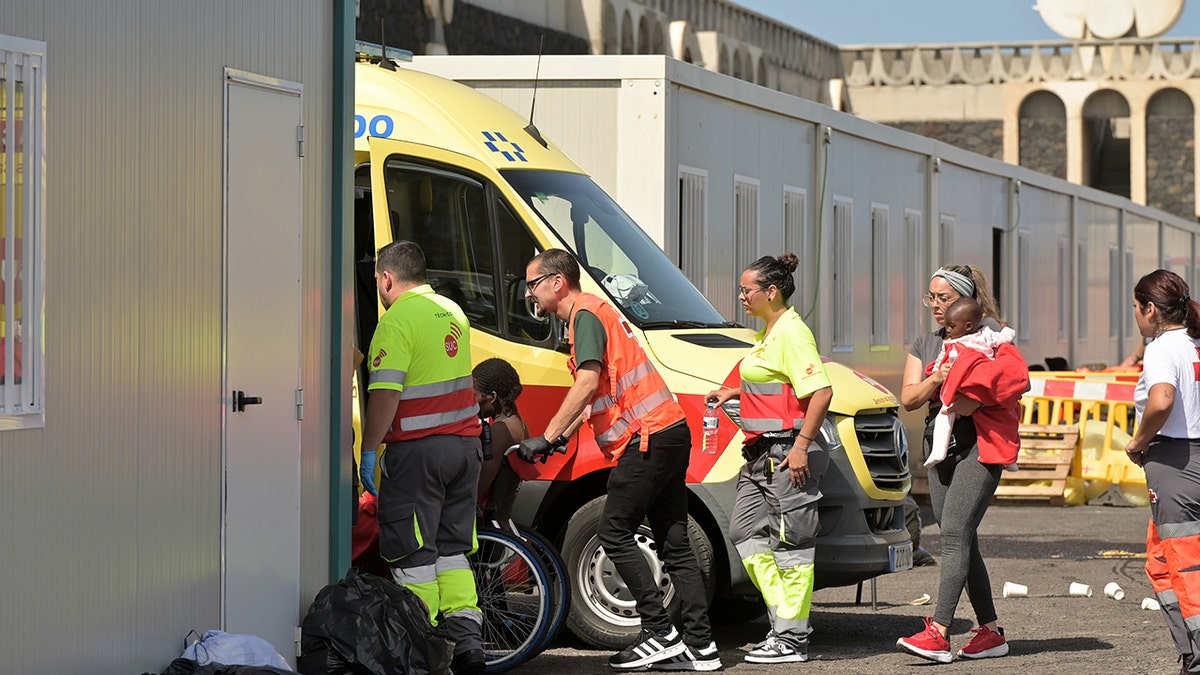
Thousands of migrants have recently arrived at Spain’s Canary Islands, facing a significant migration emergency. The Islands have been the main destination for those coming from West Africa and Sub-Saharan Africa. Authorities managed over 2,200 migrants in just two days, with many traveling in dinghies and makeshift boats.
A large group of 14 boats brought 1,324 people to El Hierro. This island only has a Spanish population of about 12,000.

The situation led the Spanish government to declare an emergency in the archipelago last week. This surge in migrant arrivals followed a massive crossing into Spain’s North African territory of Ceuta earlier in July.
Simultaneously, Spain faces internal issues, with recent general strikes leading to unrest. Protests turned violent last week. Demonstrators clashed with police, set fires, and damaged storefronts across the country.

Barcelona was notably affected, with protesters vandalizing shops on the city’s popular Paseo de Gracia. They set bonfires and launched fireworks at officers in riot gear. This was Spain’s first general strike in 14 years, sparked by soaring rent and cost of living.
In one protest over the housing crisis, activists claimed 400,000 marched through Barcelona. Meanwhile, officials estimated the number at 55,000. In Madrid, about 120,000 gathered despite the rain. The Associated Press confirmed these figures.

The general strike impacted public transportation and businesses, closing some places and blocking roads. Authorities made several arrests, and officers used pepper spray on protesters in Madrid.
Both the migration and housing issues are expected to heavily influence Spain’s upcoming parliamentary elections on Nov. 29.
Leave a Reply