The College Football Playoff selection committee’s top-25 poll has been met with two weeks of controversy. The disagreements mainly focus on the rankings and the rationale behind them. A recurring issue is the perceived favoritism towards SEC teams, which are seen as receiving unwarranted advantages. Losses seem to count less for the SEC, while wins are often labeled as ‘quality’ regardless of the opponent’s current performance.
This situation has led to frustrations, particularly for teams like the Indiana Hoosiers. Despite not playing during their bye week, they dropped from No. 4 to No. 9 in the rankings. Indiana’s head coach, Curt Cignetti, addressing the media ahead of the national championship game, highlighted this perceived bias. Cignetti criticized the selection committee for focusing on brand names, stadiums, and marketing instead of actual team performance.
‘You get tired of the narrative sometimes,’ Cignetti expressed. ‘A quality win because Joe Smith was playing at the time. They haven’t won a game since, but it was a quality win back then. I guess bad losses don’t count.’
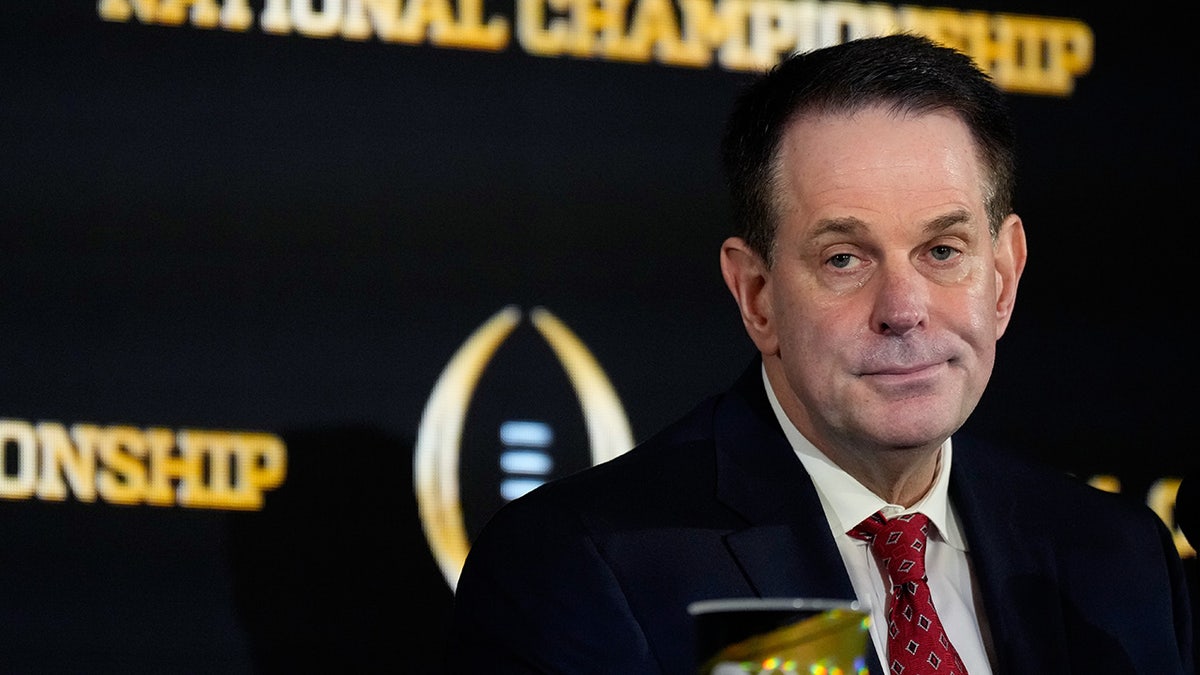
Cignetti suggested motivations play out on the field, driving his team’s determination. The committee’s handling of Indiana is only one side of the issue; explaining their reasoning stands as another. Committee chair Hunter Yurachek attempted to justify the drop in Indiana’s rank, attributing it to the timing of their bye week and poor performances by previous opponents. His comments raised questions about how strength of schedule and team evaluation metrics are used by the committee.
Meanwhile, SEC teams like Alabama were not subjected to the same scrutiny, despite similar circumstances. Some teams Alabama defeated showed poor performances, yet they seem to maintain their standing. The discrepancy caused by Alabama’s unimpressive wins and decreased performance by their ‘quality’ opponents raises doubts about consistent standards in rankings.
The SEC’s recent performances have not helped these perceptions. Several prominent teams suffered significant defeats, challenging the narrative of SEC dominance. Even so, the selection committee’s history of favoritism puts into question the likelihood of holding these teams accountable in the polls.
The committee faces a crucial decision-making juncture, particularly regarding SEC ratings. Their actions will determine their remaining credibility in evaluating and ranking teams fairly. Observers now question whether they will now scrutinize the SEC more rigorously or continue previous practices. The answer could define the trust placed in their future decisions.
Leave a Reply