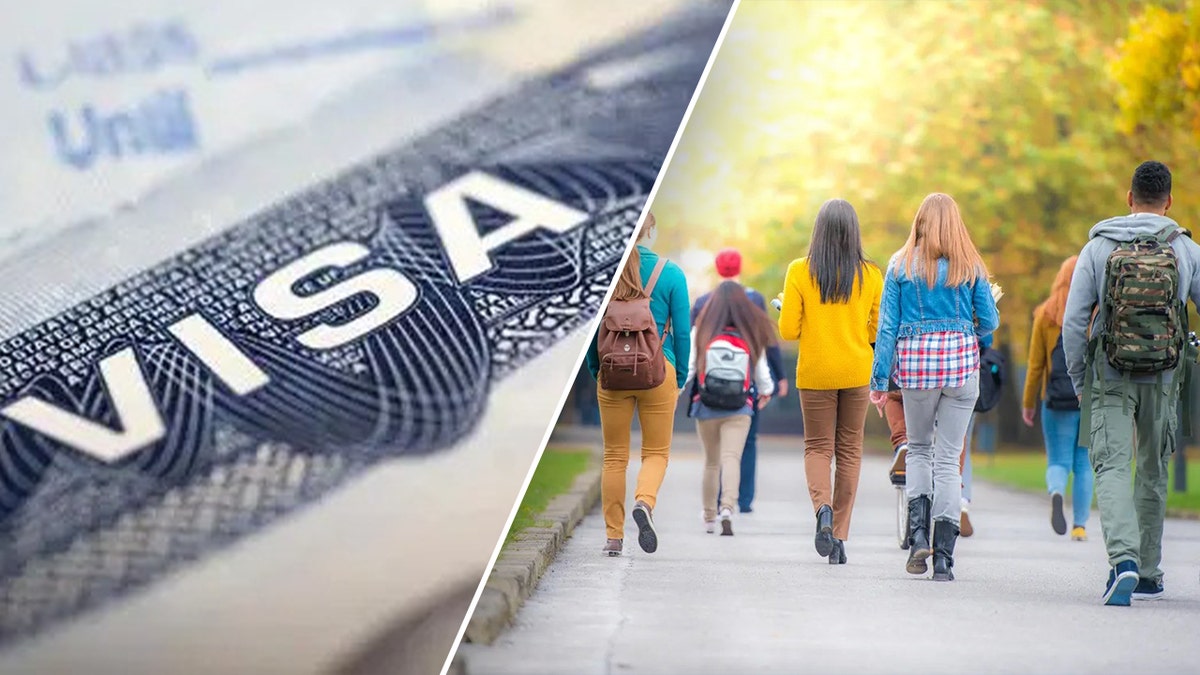
A federal judge in Boston has halted the Trump administration’s plan to impose a $100,000 fee for H-1B visas. This decision came from District Judge F. Dennis Saylor IV, who declared the fee an unauthorized tax lacking congressional approval. The new policy had raised the fee from $2,000-$5,000, aiming to prioritize U.S. citizens over international applicants. The White House intends to appeal this ruling.
The ruling marks a significant victory for labor unions and university leaders who challenged the policy. It also signifies another legal setback for the Trump administration’s efforts to tighten immigration rules. This decision follows a broader context of policies impacting international students, exchange visitors, and foreign journalists.
DHS Rule on International Students
The Department of Homeland Security (DHS) had introduced a rule that would have limited international students to fixed study periods, usually up to four years. Students wishing to continue beyond this period would need to apply for an extension. Previously, international students could remain in the U.S. without a fixed time limit as long as they were enrolled and maintained legal status.
The rule also aimed to impose new restrictions on changing academic programs, transferring schools, and pursuing additional degrees. The intention was to conduct more immigration reviews to prevent fraud and address national security concerns.
DHS acknowledges there are legitimate reasons why a student may pursue another academic degree at the same or lower level as the one completed — for example, pursuing an MBA after a JD.
Judge Saylor criticized the policy, asserting that it contradicted Congress’s intentions for the F-1 visa program. He argued that DHS was trying to prevent activities that Congress had sought to encourage.
Reactions and Implications
Saylor’s ruling highlighted the department’s overstepping of authority and violation of federal administrative law. DHS lawyers argued that unlimited admission periods prevent regular reassessment of foreign nationals’ visa compliance. They maintained that requiring extensions could help detect fraud and security risks more effectively.
However, the judge highlighted that DHS did not provide clear evidence on how the new rule would be an improvement. Saylor emphasized the effectiveness of the current system, the Student and Exchange Visitor Information System (SEVIS), which tracks international students’ enrollment and visa compliance.
SEVIS is a federal database used for reporting and monitoring, although DHS considered it inadequate for all fraud and security screenings. The judge’s ruling reassures the continued use of existing systems rather than an overhaul driven by discretionary renewal processes.
Both DHS and the White House have yet to publicly respond to this ruling.
Leave a Reply