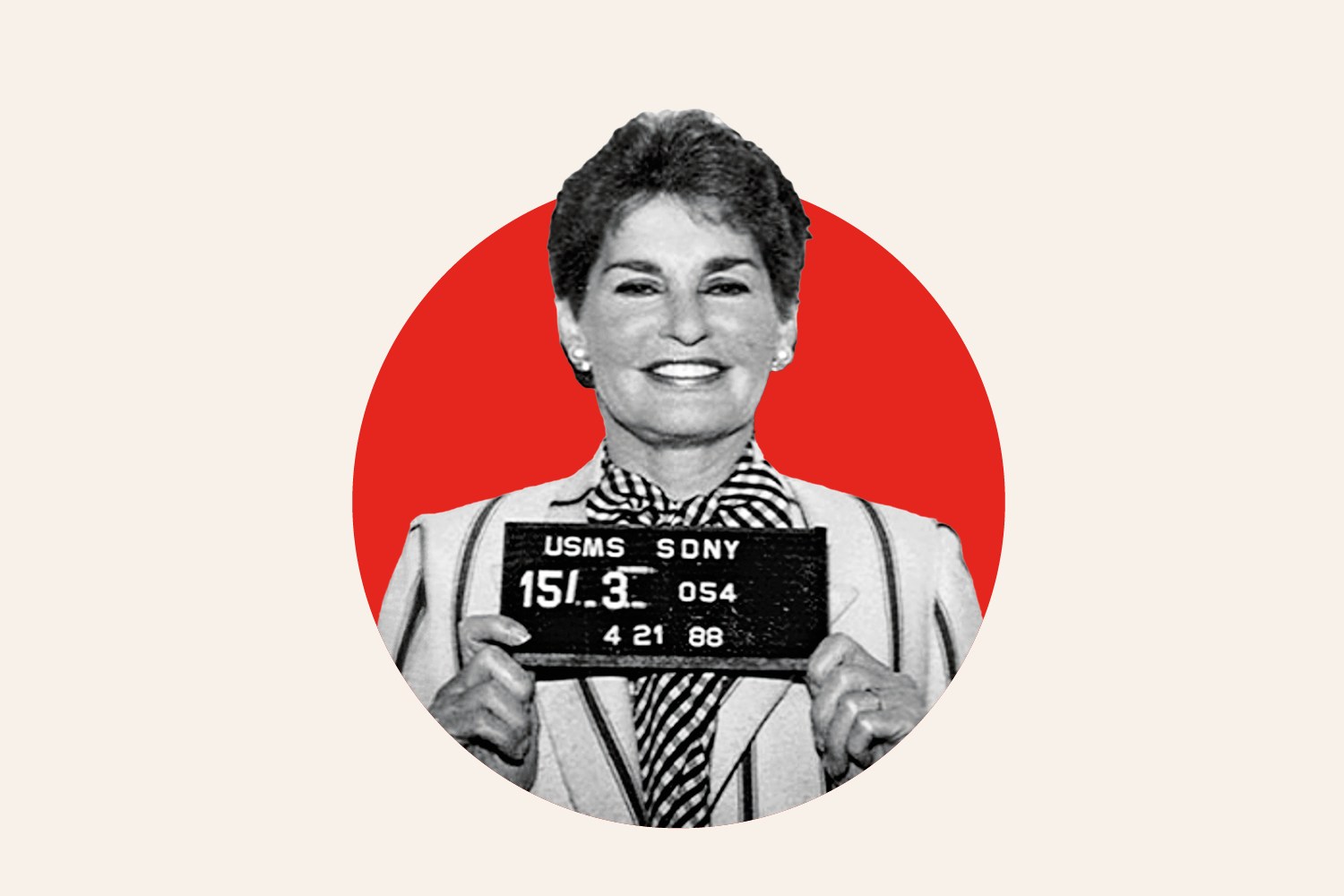
In 1989, Leona Helmsley, a billionaire hotelier often referred to as the ‘Queen of Mean,’ was quoted by her housekeeper saying, ‘We don’t pay taxes. Only the little people pay taxes.’ Although Helmsley denied making this statement, she faced conviction for tax evasion.
The notion that only the ‘little people’ face taxes doesn’t hold up historically. Under President Eisenhower, America’s top marginal federal income tax rate reached 91 percent. In Britain, the 1970s saw a top rate of 98 percent. These high tax rates reflect a different economic era.
Former President Reagan reduced the top rate to 28 percent, and today, it sits at 37 percent federally. With state taxes included, the average top rate is 42.1 percent, close to the OECD average of 43.4 percent. Despite claims about productivity in Europe, the U.S. tax revenue constitutes 25.6 percent of GDP, against an OECD average of 34.1 percent. Europe’s higher revenue comes from taxing widely, not mainly targeting billionaires. Only three European countries impose a wealth tax.
California Governor Gavin Newsom opposed Proposition 40, a proposal for a 5 percent tax on billionaires’ wealth, which was rejected by voters. This highlighted a divide within the Democratic Party, evident in public reactions. Surveys indicated significant support for taxing billionaires, yet discussions among Newsweek readers revealed complex views.
Some questioned the necessity of billionaires in the U.S., arguing that extreme inequality threatens democracy. Others pointed out the need for a tax code free of loopholes rather than imposing a wealth tax, warning that the wealthy can relocate easily.
A study by Biden White House economists introduced the idea of taxing unsold stock as income, suggesting the richest families pay an average federal tax rate of 8.2 percent. Critics argue this figure rises to near 23 percent when corporate taxes are included.
The central concern remains: the disparity in tax rates between the wealthy and the middle class. As political debates continue, Democrats face the challenge of defining their stance on wealth and taxation.
Leave a Reply