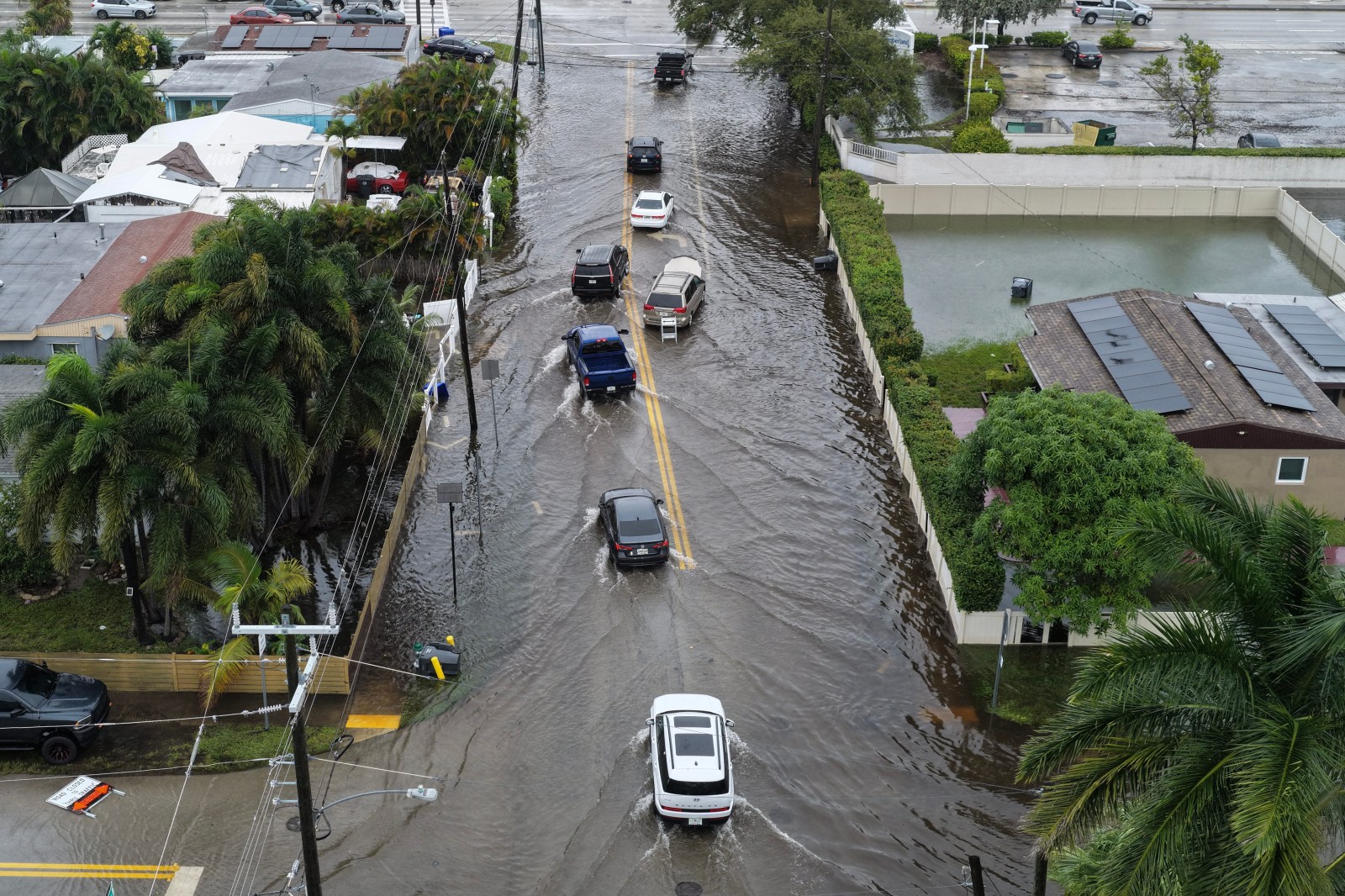
At least nine states in the U.S. have already witnessed extreme weather events due to a strengthening super El Niño in the Pacific. Meteorologists caution that conditions might worsen as winter approaches.
Florida recently experienced heavy rain, and the Pacific Northwest faced several atmospheric river events. Another storm is forming this weekend. The National Weather Service’s Climate Prediction Center updated its forecast on El Niño, predicting that this climate pattern will continue strengthening and remain strong through March next year.
El Niño’s Influence
Paul Pastelok, AccuWeather’s lead U.S. long-range forecaster, highlighted that El Niño’s effects can linger even after it peaks, which hasn’t yet happened. He explained, “Just because the values start going the other way doesn’t mean El Niño still won’t be potent all the way through February or March. There’s a lag. It takes time for the atmosphere to unwind. We could be in for a rough period here for a while.”
“Over the last day, parts of Broward County, Florida, got more than 20% of their average annual rainfall,” Ben Noll, Washington Post meteorologist, posted on X. “Extreme rainfall threats will continue for months because of El Niño.”
Eight other states have encountered El Niño-related impacts. In the Pacific Northwest, atmospheric rivers have affected western Oregon, western Washington, and northern California. These areas have experienced significant rainfall, wind, and coastal flooding.
Further south, southern California and the U.S. Southwest encountered weather shifts due to El Niño, particularly in the summer during an active Eastern Pacific hurricane season. Arizona and southern Nevada were notably impacted by this tropical moisture.
Scott Lawrimore from The Weather Channel remarked on the “rinse and repeat” weather pattern anticipated this winter, affecting the West Coast, Gulf Coast, and Florida.
The Northeast also faced some impacts, with a nor’easter causing flooding and disruptions across the region in late September. In particular, Virginia, North Carolina, and Massachusetts have been hit hard.
El Niño’s Broader Impact
El Niño-related weather patterns cause cooler, wetter conditions in the South and warmer, drier conditions in the North. The system can affect storm tracks, precipitation types, and extreme cold spells.
Pastelok and Lawrimore affirmed that El Niño’s influence in the U.S. is unfolding as expected this season.
What to Expect
The West Coast, Gulf Coast, and Southeast may continue experiencing impacts this winter. Pastelok mentioned that storms might also travel across the central U.S., especially affecting areas like Omaha, Nebraska, and Kansas City. Authorities encourage people to stay updated with forecasts and prepare for forthcoming storms.
Leave a Reply