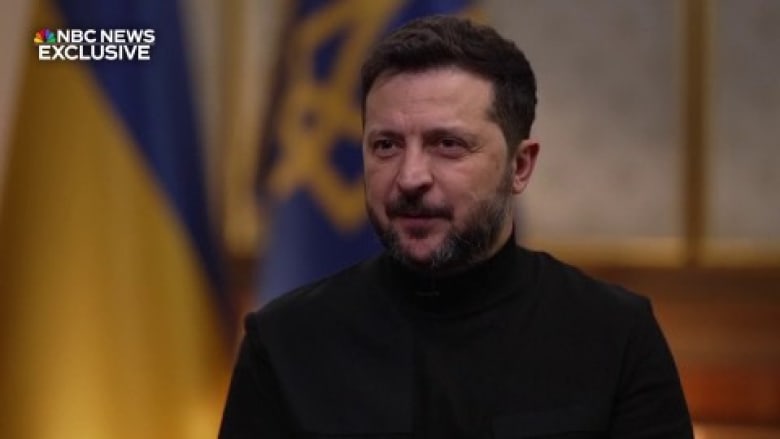
The recent Asia-Pacific Economic Cooperation (APEC) summit in Shenzhen, China, brought together world leaders, including Donald Trump, Xi Jinping, and Vladimir Putin, for significant discussions. Ukrainian President Volodymyr Zelenskyy suggested that Trump and Xi could leverage their influence to pressure Russia to end the war in Ukraine.
Pressure on Putin
Zelenskyy noted that a unified front by China and the U.S., involving potential sanctions or trade cessation with Russia, could end the conflict. The leaders met during the APEC summit, hinting at the potential to address these geopolitical tensions.
Ongoing Strikes
Meanwhile, hostilities in Ukraine continued as Russia and Ukraine traded missile and drone strikes. Russia targeted regions like Odesa, while Ukraine struck strategic locations, including the Kerch Bridge.
Historic Meeting Begins
A three-way meeting between Trump, Xi, and Putin was confirmed by Chinese state media, marking a significant diplomatic effort at Kylin Villa, the venue for these talks.
APEC Setting
Shenzhen, once a rural area, is now a leading tech hub, hosting giants like Huawei and Tencent. However, tensions over technology, particularly regarding AI and chip technology, loom between the U.S. and China.
Diplomatic Context
The summit provided Trump a platform amidst his domestic challenges, including recent political setbacks. The focus remained on diplomacy and strategic alliances, notably concerning Ukraine and Iran.
Trade Discussions
Trade was a primary agenda item, with Trump and Xi exploring avenues to extend their recent truce. China’s trade surplus continues to rise despite previous trade frictions.
Sanction Discussions
In addition to trade, U.S. lawmakers urged Trump to address human rights issues in China, including the release of Americans detained there.
Summit Outcomes
While Trump praised his relationship with Xi, concrete outcomes from the summit remain uncertain. However, these discussions set the stage for the forthcoming G20 meeting in Miami, potentially paving the way for more definitive geopolitical resolutions.
Leave a Reply