The possibility of a dirty bomb attack has resurfaced in discussions after reports indicated Iranian interest in exploring such an option. A dirty bomb uses conventional explosives to disperse radioactive material, unlike a nuclear weapon, and experts warn of widespread disruption beyond the physical impact.
Differences Between a Dirty Bomb and Nuclear Weapons
While both involve radiation, the effects are different. Jason Pack, a former FBI supervisory special agent, highlights that a dirty bomb aims to spread fear rather than mass casualties. The initial explosion poses immediate risk, but lingering contamination can cause the most disruption.
Challenges in Creating Dirty Bombs
Constructing a dirty bomb involves significant risks for the maker, as handling radioactive materials is dangerous. The challenge also lies in acquiring these materials. Paul Mauro, a retired NYPD inspector, explains that medical waste is a possible source for these materials.
Impact of a Dirty Bomb
The primary danger comes from the explosion itself. The Centers for Disease Control and Prevention notes that radiation levels might not cause immediate severe illness, except for those very close to the blast zone.
Police and security agencies have tools to detect radiation, which helps prevent potential attacks. There are also concerns about smuggling radiological materials into the U.S., as highlighted by past government reports.
Current Concerns Regarding Iran
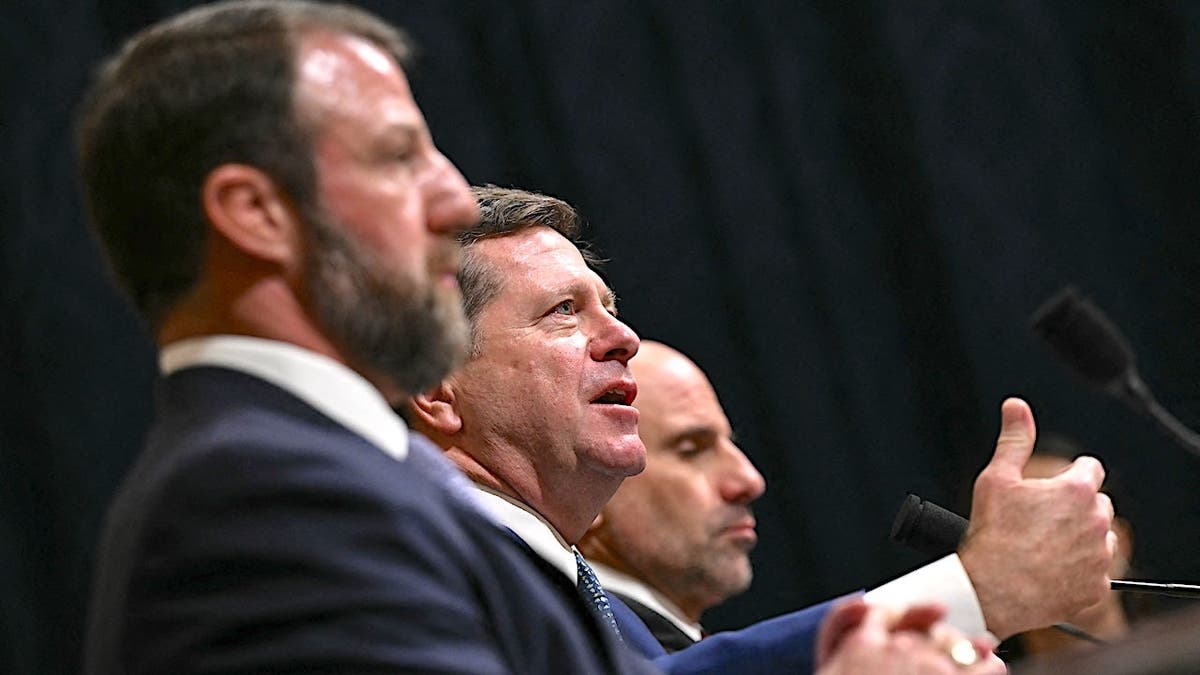
Recent intelligence suggested Iran might consider targeting U.S. officials with radiological devices. During a House Homeland Security Committee meeting, officials noted these threats have persisted but have found no evidence of an imminent attack.
Historically, there have been unsuccessful attempts to use such devices, like the failed Chechen separatist attack in Moscow during the 1990s.
Prevention and Response
Authorities emphasize stopping potential plots before they materialize. The Department of Energy implements measures to detect and neutralize threats. In case of an attack, the CDC advises immediate actions like seeking shelter and decontaminating oneself.
Despite the risks and cleanup difficulties, proactive measures remain crucial to mitigating potential damages. Preparedness and regular security protocols help ensure safety.
Leave a Reply