By November 19, 2026, the United States will experience a significant shift in its legislative body. Nineteen new senators are ready to take their seats in the 120th Congress this January. This marks the largest influx of new senators in nearly fifty years. The change follows a series of Democratic victories in the midterm elections and the retirement of some incumbents.
The new class of senators is markedly diverse, with individuals coming from various professional backgrounds. These include a former wheelchair basketball Paralympian, a Methodist pastor, and a senator making a comeback after previous defeat. Notably, this group is younger, lowering the average age of the Senate to 63, with several members in their 40s, and one in his 30s.
Notable New Senators
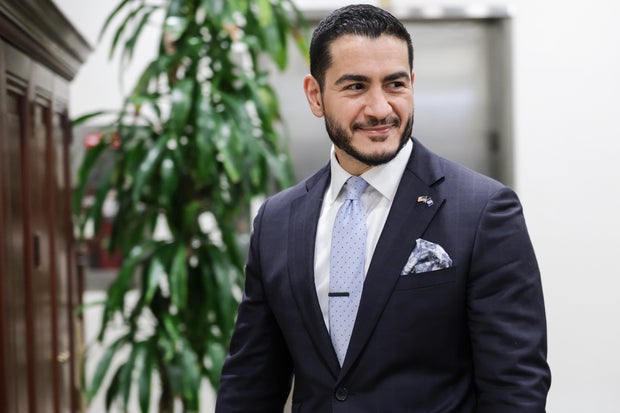
Abdul El-Sayed from Michigan is 42 and formerly served as a state health official. His election makes him the first Muslim senator in U.S. history. El-Sayed campaigned on a progressive platform, including ‘Medicare for All’, and triumphed despite challenging rhetoric from major Republicans.
Adam Hamilton, a 62-year-old pastor from Kansas, successfully flipped a Republican-held seat. He ran on affordability and built a coalition across party lines. His victory ended nearly a century of Republican dominance in the state’s Senate representation.
Andy Barr, 53, from Kentucky, moves to the Senate after serving in the House since 2013. With support from the President, Barr cast his Democratic opponent as overly extreme for the state’s values.
Annie Andrews, 46, became the first woman and first Democrat since 1998 to represent South Carolina in the Senate. A pediatrician by trade, her focus was healthcare improvement and combatting corruption.
Barry Moore from Alabama brings his conservative credentials to the Senate, having supported President Trump since early in his political career.
Chris Pappas, 46, has represented New Hampshire in the House since 2019 and will be the first openly gay male senator.
Harriet Hageman, 64, a staunch Trump supporter, shifts from the House to the Senate, continuing her political journey that began by defeating Liz Cheney.
James Talarico, 37, from Texas, prioritizes tackling corruption and cost reduction. Despite facing critiques, he secured his Senate seat, marking a significant Democratic gain.
Josh Turek, 47, from Iowa, transitioned from being a Paralympian to the Senate by promoting bipartisan results for his constituents.
Julia Letlow, 45, continued her late husband’s political legacy and advances from the House of Representatives.
Juliana Stratton, 61, former lieutenant governor of Illinois, is part of an unprecedented trio of Black women serving concurrently in the Senate.
Kevin Hern, 64, brings his business expertise from Oklahoma to the Senate, following a temporary appointment to fill a vacancy.
Kurt Alme, 60, aims to spotlight budgetary discipline, challenging congressional compensation practices.
Peggy Flanagan, 47, becomes the first Native American woman in the Senate, representing Minnesota and its communities.
Mary Peltola, 53, from Alaska, groundbreaking as the first Alaska Native in the Senate, reflects diverse political shifts in the state.
Roy Cooper, 69, a well-known former governor of North Carolina, leverages his long-standing public service record to advance affordability-focused initiatives.
Scott Colom, 43, hailing from Mississippi, made history by becoming the first Black senator since Reconstruction, advocating for cost-of-living improvements.
Sherrod Brown, 74, returns to the Senate with a focus on working-class priorities, after previously losing his seat.
Troy Jackson, 58, used his credentials as a champion of the working class to unseat longtime Maine Senator Susan Collins.
Leave a Reply