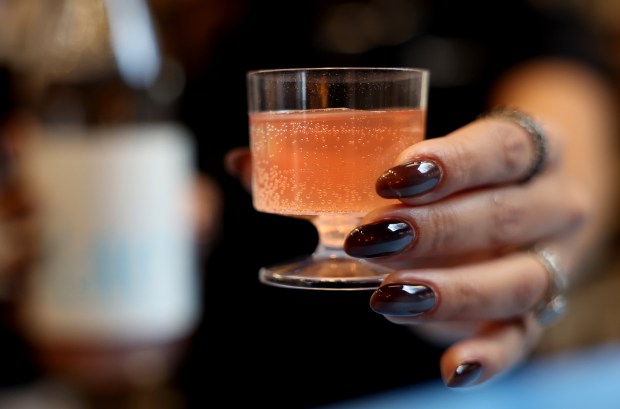
A federal judge has allowed Illinois to impose statewide restrictions on the sale of intoxicating hemp products. This decision is a setback for businesses that had sought to prevent the enforcement of these regulations. U.S. District Judge Martha Pacold denied a request from an industry group and other businesses to temporarily block the law’s full enforcement. Although the law went into effect earlier this month, its application was delayed for the plaintiffs until Thursday’s hearing.
Companies that challenged the law must now comply, halting sales of hemp-derived THC drinks, gummies, and similar intoxicants. Other retailers in Illinois have already complied since the ban began last week. While the state’s attorneys have not specified when they will begin enforcing the law on the plaintiffs, Pacold’s ruling is not the final decision on the law’s legality. The lawsuit will continue with further hearings expected on December 15, shortly after new federal restrictions on intoxicating hemp take effect unless Congress takes further action.
Pacold’s ruling, delivered verbally, referenced both Illinois state laws on cannabis and pertinent federal statutes. Even if a temporary restraining order had been granted, businesses would still need to obtain a cannabis license to legally sell these products. The restrictions, effective November 12, closed what Illinois officials, including Governor JB Pritzker, described as a market loophole. However, they also removed products familiar to consumers from neighborhood stores.
The state law, signed by Pritzker earlier this year, targeted products often packaged to resemble candy or snacks. This concern partially motivated the regulations. The Illinois Healthy Alternatives Association, claiming to represent numerous businesses, along with several other businesses, filed a lawsuit to prevent the ban’s enforcement. Before the ban took effect, an agreement allowed these plaintiffs to temporarily avoid compliance.
Craig Katz, president of the Illinois Healthy Alternatives Association, stated the group represents over 250 businesses and employs more than 5,000 individuals, roughly a fifth of the industry statewide. He remains optimistic about their chances in court and suggests seeking appellate review. As the legal battle persists, advocates also aim to counter the federal ban. Michael Rothstein, representing the businesses, contended that these products are generally safe and legally sold under federal law until next month. He argued that Illinois’ restrictions clash with federal interstate commerce laws.
Assistant Attorney General Richard Huszagh maintained that Illinois has the authority to limit intoxicating products for public health reasons. He clarified that state cannabis laws require sales through licensed dispensaries. Rothstein expressed hope in Congressional action, referencing the 2018 federal Farm Bill that legalized hemp for nonintoxicating products like CBD. Manufactures later harnessed techniques to derive intoxicating products such as delta-8-THC synthetically, leading to widespread, unregulated sales across various outlets.
Licensed cannabis producers encouraged lawmakers to tackle these unregulated sales. A federal law was passed last year to ban intoxicating hemp, coinciding with Illinois’ ban’s date. However, federal restrictions will not take full effect until December 11. Industry allies assert that such restrictions could harm businesses and restrict consumers. As sales face constraints, many Chicago businesses have promoted ‘last call’ sales for THC products. Notable defendants in the lawsuit include Illinois Attorney General Kwame Raoul and heads of several state departments.
Leave a Reply