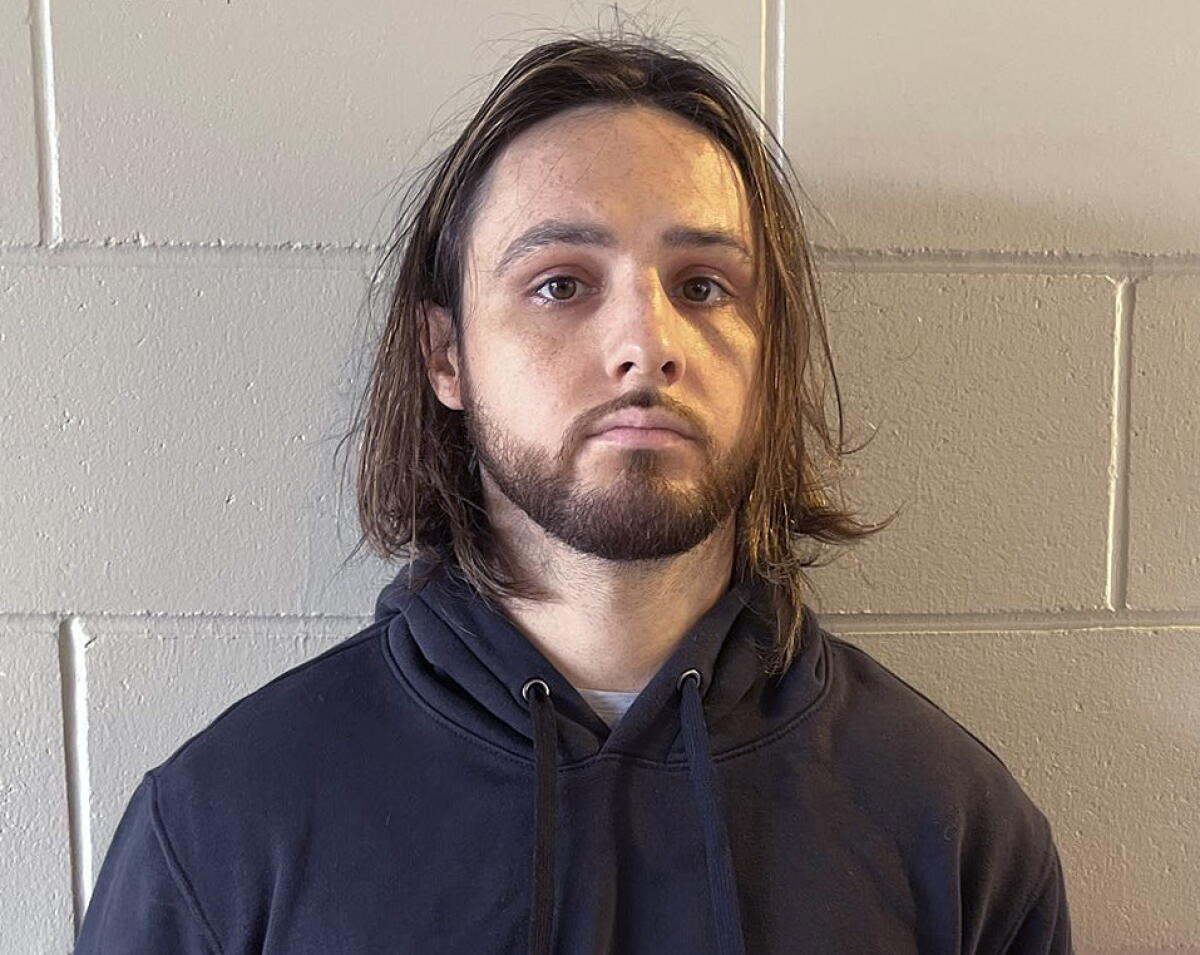
A 30-year-old former Uber driver, Jonathan Rinderknecht, was convicted by a federal jury for intentionally setting a fire that became the most destructive wildfire in Los Angeles history. The incident, initially known as the Lachman fire, started on January 1, 2025, and later erupted into the deadly Palisades fire.
Federal prosecutors accused Rinderknecht of using a lighter to ignite the blaze. This fire smoldered underground for days before it reignited. Despite his defense attorney’s argument suggesting fireworks as an alternative cause, the jury found Rinderknecht guilty on both counts against him after deliberating for over two days.
This trial followed a previous one in June where the jury deadlocked 10 to 2 in favor of acquittal. Judge Anne Hwang instructed the second jury to ignore any references to the first trial. Despite the initial jury leaning toward acquittal, prosecutors decided to retry Rinderknecht, who has been detained since his arrest in October 2025.
The prosecution obtained a revised indictment focusing on the damage from the Lachman fire while still holding Rinderknecht responsible for both the Lachman and Palisades fires. The subsequent fire on January 7, 2025, resulted in 12 deaths, destroyed 6,500 structures, and led to billions in damages and insurance claims.
The second trial featured a contentious atmosphere, with the prosecution accusing a defense witness of perjury. The defense attempted to introduce a new witness to support their fireworks theory. The closing arguments highlighted the prosecution’s stance that Rinderknecht was upset and deliberately set the fire.
“This fire was an incendiary fire started by an open flame,” stated Assistant U.S. Attorney Mark Williams. “The defendant is the only one who could have started it.”
Rinderknecht was arrested on October 7, 2025, in Florida, under suspicion of causing the Palisades fire. Williams emphasized that the case was about arson, not first responders or firefighting efforts, despite the defense’s focus on the adequacy of the fire department’s response.
In contrast, Steve Haney, the defense attorney, argued that the jury should base their decision solely on the presented evidence. He pointed out that no witness saw Rinderknecht start the fire and that the ignition was not captured in any media reviewed by investigators. Haney also criticized the timeline of the investigation, noting that the decision to convict preceded the testing that linked a lighter to the fire.
Leave a Reply