Local and federal authorities have dismantled the first nitazene synthesis laboratory in the United States. The lab, located in Louisiana, was initially suspected of producing fentanyl but forensic tests from the Drug Enforcement Administration (DEA) confirmed it was manufacturing etonitazene. Etonitazene is a synthetic opioid significantly stronger than fentanyl and is part of a drug class known as nitazenes.
Nitazenes became part of the American drug scene around 2019 and are recognized for their potency, being up to 80 times stronger than fentanyl. The lab was hidden in the basement of a Baton Rouge home and was an integral part of a drug distribution network. This operation was targeted by the DEA and the East Baton Rouge Sheriff’s Office, following a three-month investigation led by local narcotics agents.
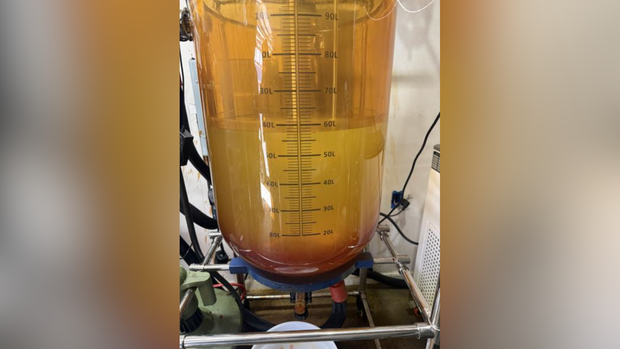
Described as a “large-scale” and “sophisticated” setup, the clandestine lab housed equipment worth approximately $250,000. Authorities discovered specialized temperature-control equipment, an industrial evaporator, and 58 liters of liquid confirmed to be etonitazene in the main reactor vessel.
“Every day, families across our communities are suffering the devastating consequences of illegal drugs. The emergence of substances like nitazenes makes our mission even more urgent,” East Baton Rouge Sheriff Sid J. Gautreaux III stated.
Louisiana has emerged as a primary location for nitazene-related activities. More than 80% of all nationwide etonitazene seizures by the DEA this year originated from the state, as noted by the Louisiana State Police Crime Laboratory.
The DEA previously warned of fentanyl being mixed with various synthetic substances, including nitazenes. Jon Wertheim of 60 Minutes has investigated these deadly synthetics, exploring their role in the illegal drug supply. His report, “One Molecule at a Time,” airs on Sunday, showcasing raids with the DEA and insights from the DEA Special Testing and Research Laboratory. This report details the global chemical pipeline and the evolving chemistry fueling drug cartels’ synthetic opioid production.
Leave a Reply