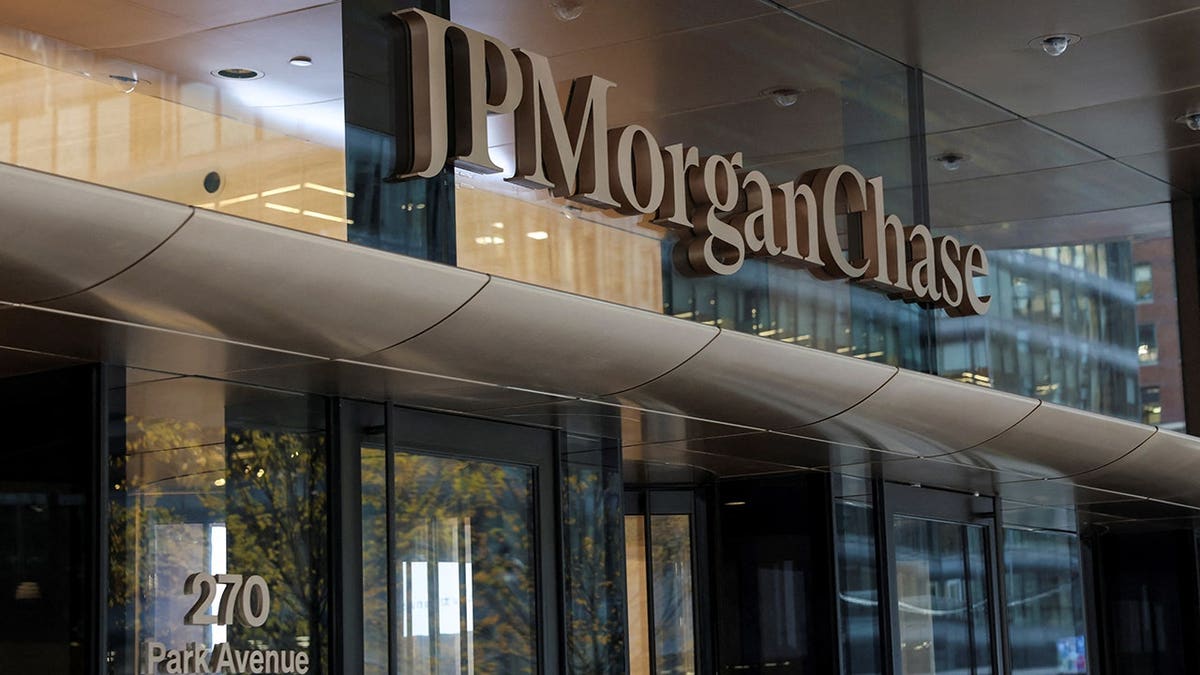
A recent cybersecurity breach has compromised customer data from major financial companies, including Visa, Mastercard, and JPMorgan Chase. Morgan Wright, a former State Department antiterror advisor, analyzed this incident, offering advice on safeguarding financial data during these turbulent times.
Understanding the Breach
On November 19, 2026, The Wall Street Journal revealed that hackers leaked data tied to these companies. The breach involved third-party service providers working with the banks. Customers now question what specific data hackers accessed and whether any action is required on their part.
Details from JPMorgan Chase
JPMorgan Chase acknowledged that attackers targeted their third-party vendors. A spokesperson stated that marketing data, including some customer names and email addresses, was accessed. Despite this, banking services remain functional, and affected customers will receive support, including credit monitoring.
Reports indicate over 16,000 customer email addresses and 124 bank employee emails were potentially exposed. This exposure raises questions about data security measures in place with their vendors.
Mastercard’s Response
Mastercard reported a similar incident, with limited exposure affecting a subset of cardholders in a benefit program. The company confirmed no impact on its payment network, ensuring card usability remains unaffected. Efforts are underway to assist affected cardholders, though specifics about the program or customer numbers remain undisclosed.
Visa’s Position
Visa responded by stating their systems were untouched by the incident in Asia-Pacific involving a third-party service provider. No payment data, such as card numbers, were affected. Details about the affected service provider or exposed data remain unspecified.
Impact on Customer Security
The breaches mainly affected customer information held by third parties. JPMorgan Chase identified potential exposure of marketing data. However, statements suggest no banking passwords or funds were accessed. Stolen contact data might aid in crafting convincing phishing scams.
Protective Measures for Individuals
- Be wary of suspicious alerts: Verify emails or texts about your accounts through official channels, avoiding any links or attachments in suspicious messages.
- Keep verification codes private: A bank will never ask you to share these codes over the phone.
- Enable account alerts: Use your bank’s tools to monitor any unauthorized transactions.
- Strengthen security: Unique passwords and multifactor authentication can protect your accounts from unauthorized access.
- Look out for breach notifications: Confirm the legitimacy of these notifications before responding.
- Consider a credit freeze: This action can protect against identity theft, especially if sensitive identifiers were exposed.
- Limit publicly available information: Reduce personal data accessible online to prevent phishing and identity theft.
Responding to Phishing or Fraudulent Messages
If you engage with a potential phishing message, act swiftly:
- Change compromised passwords immediately using the bank’s official platforms.
- Contact your bank’s fraud department if you shared sensitive information.
- Monitor your financial activities for unfamiliar transactions.
- Run security scans using antivirus software if suspicious files were accessed.
- Report fraudulent texts using your device’s spam features or to authorities.
Insight from CyberGuy Kurt Knutsson
Kurt stresses the importance of knowing who handles your financial data. Despite securing bank accounts, third-party vendors might be vulnerable, leading to potential breaches. He advocates for transparency from financial institutions regarding outside data handlers.
Leave a Reply