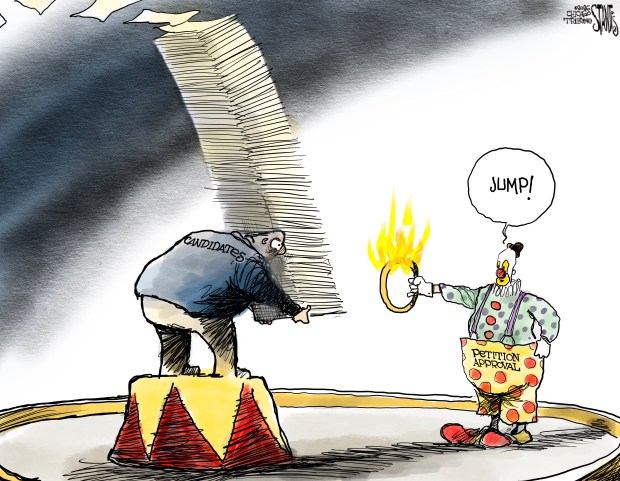
In Illinois, political candidates must gather thousands of signatures to qualify for the ballot. This requirement serves as a test of seriousness, a preventive measure against non-serious candidates, and a proof of genuine support. When voters see someone collecting signatures, such as for Susana Mendoza for mayor of Chicago, they evaluate whether the person deserves a spot on the ballot. They consider if the candidate adds value to the election or might clutter it unnecessarily, similar to the Daniel J. Sullivan situation in Alaska.
Interestingly, a voter can legally sign petitions for multiple candidates. However, Illinois law dictates that in certain elections, like the upcoming Chicago mayoral race, only the first signature is counted, creating potential conflicts. On one hand, bombarding ballots with numerous names confuses voters. On the other hand, getting on the ballot is a democratic right and should be achievable for dedicated candidates.
Currently, controversy surrounds Mayor Brandon Johnson, who faces a challenge from Willie Wilson over obtaining the necessary 12,500 signatures. Reports suggest issues with Johnson’s signatures, such as duplicates or technical errors. Despite this, Johnson’s campaign remains confident in meeting the requirements, which is crucial since he deserves a place on the ballot.
Illinois demands more signatures from independent candidates compared to major party candidates. Ald. Byron Sigcho-Lopez experienced this firsthand. He was removed from the congressional race ballot last January due to insufficient signatures, alleging manipulative tactics contributed to his struggle.
Another critical issue involves the financial aspect of collecting signatures. Traditionally, volunteers collected signatures, but now, it involves significant costs. Some candidates spend hundreds of thousands on signatures, giving an edge to those with wealthy backers. Campaigns might pay $10 or more per signature, favoring candidates who can afford thorough vetting of valid signatures.
This monetary burden skews competitive fairness. Signature collection should not replace genuine elections. Steps to address the current situation could include digital signature collection, allowing voters to sign multiple petitions, reducing signature requirements—especially for independents—or finding balanced methods to ensure fair access for serious candidates.
Leave a Reply