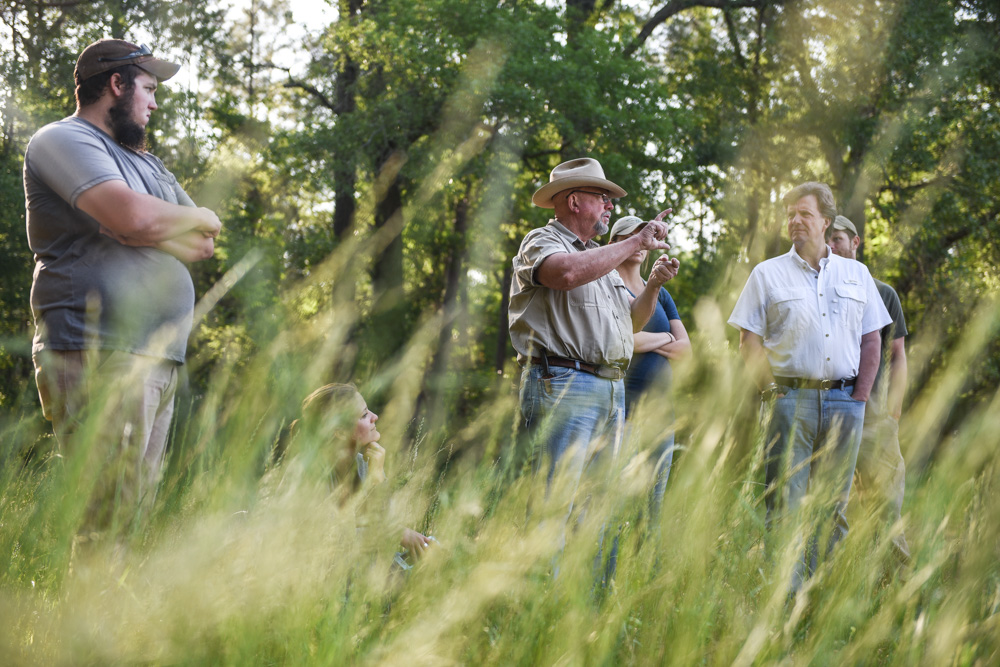
Cows have been a staple at Will Harris’s family farm since 1866. Located in southwestern Georgia, this farm has evolved significantly from its beginnings when Harris’s great-grandparents managed it. Initially, they raised various livestock and sold the meat in Bluffton. Today, Harris oversees an extensive operation known as White Oak Pastures. It spans 5,700 acres and is the largest private employer in the county, providing jobs for 170 people. White Oak employs nearly everyone in Bluffton who is able to work. The business generates $30 million annually by raising livestock, processing meat, and selling it directly to consumers.
Despite the farm’s success, Harris observes changes in the farming landscape. High cattle prices once motivated ranchers to expand their herds. Now, land is more expensive, and farmers are often outbid by investors in Georgia. Instead of expanding, Harris is preparing new ranchers and considering welcoming a data center to the county. The U.S. cattle herd is at its lowest in 75 years, and ground beef prices reached a record $6.90 per pound this year. The increasing land costs have contributed to this trend as more land is acquired by developers and investors, including data center companies.
Cows have roamed Will Harris’s farm for generations, adapting from historical practices to modern challenges.
White Oak Pastures has experienced many changes through the years. When Harris’s father inherited the farm post-World War II, he focused solely on cattle and used chemicals to reduce costs. Harris later attended college to study animal science and continued these practices until a realization in 1995 prompted change. Observing the negative impact on the environment and livestock, he adopted regenerative farming. He now raises cattle alongside sheep, pigs, goats, and poultry while allowing diverse grasses to thrive.
This shift was challenging but beneficial. By the early 2000s, grass-fed beef gained popularity, allowing White Oak to reach Whole Foods and Publix. However, a 2015 change in U.S. labeling rules caused financial struggles by permitting international beef to carry a “Product of USA” label. Harris’s business endured tough years until recent changes restored the label’s integrity in 2023. During the pandemic, Harris’s daughter helped launch an online store, bypassing grocery sales, and White Oak opened a physical store in Atlanta. Yet, Harris aims for improvement over size.
Harris is committed to educating future farmers about regenerative practices through his nonprofit, the Center for Agricultural Resilience. This program hosts six interns quarterly, offering jobs to successful participants. Harris also leads courses on livestock management, attracting attendees from various countries. These educational efforts occur alongside discussions about economic diversification in Georgia’s agricultural counties. With companies like Tyson and Cargill dominating agriculture, communities now receive less profit. Harris remains open to data centers as potential short-term economic solutions, though long-term effects remain uncertain.
Leave a Reply