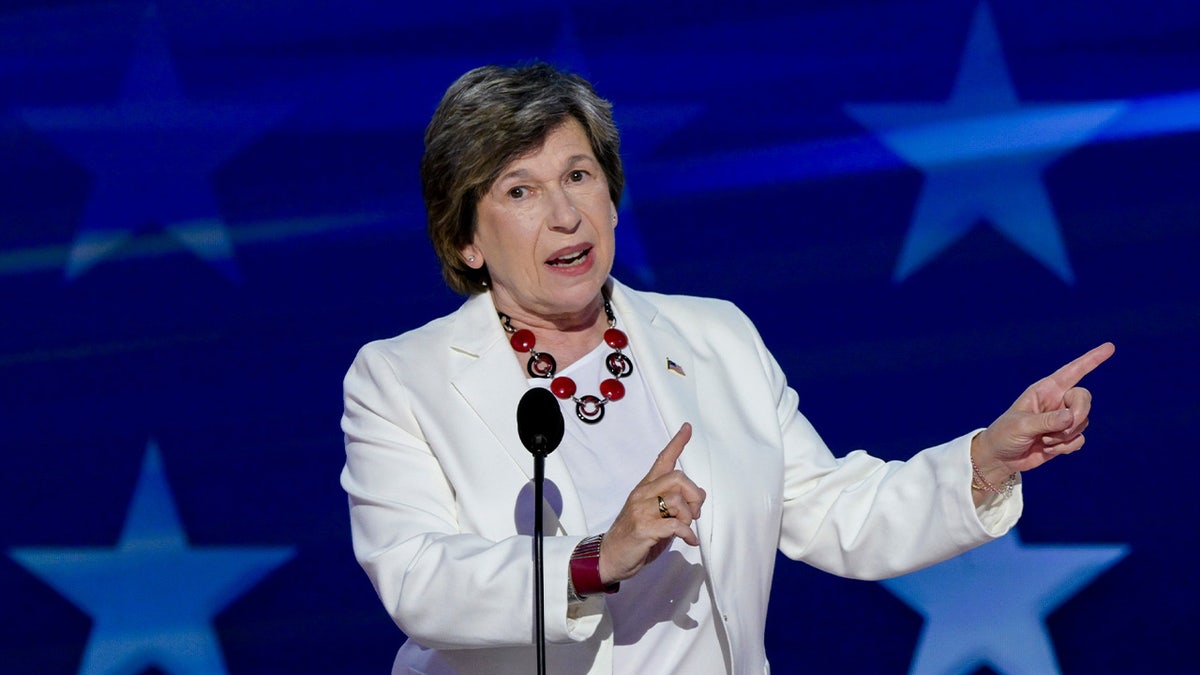
Recent discussions surrounding school choice in Texas have sparked intense debates among politicians and educators. Randi Weingarten, along with teacher union allies, claims that Republicans lost ground in the midterms due to school choice. She insists that voters nationwide rejected the agenda of privatization and defunding schools pushed by the far-right. However, this assertion conflicts with available data.
School Choice and Political Impact
Gina Hinojosa, the Texas Democrat Governor-elect, criticized school choice in her victory speech, targeting what she called the “Texas voucher scam.” Even though Democrats plan to remove scholarships from over 100,000 mostly low-income children, many senators who support this attended private schools or sent their children there. This inconsistency raises questions about their stance on school choice.
“We will work tirelessly to repair the damage of the Texas voucher scam,”said Gina Hinojosa.
Growing Demand for Education Freedom Accounts
The demand for Texas Education Freedom Accounts contradicts claims of widespread opposition. In the first year, over 274,000 students applied, and over 100,000 received funding. Many families are still waiting as the available funding has exhausted.
NBC exit polls in 2022 and 2026 show consistent support for Governor Greg Abbott among rural voters, challenging the narrative that school choice led to political losses. Despite a shift to the left among overall voters, Abbott maintained his rural support.
Voters’ Priorities and Election Outcomes
Education ranked lower on voters’ list of priorities compared to issues like the economy and immigration. While Democrats flipped over 20 seats in the Texas House, only one flipped in the most rural districts, indicating strong Republican presence.
Moreover, Texas voters rejected nearly $7 billion in increased funding for public schools. They also approved a measure to increase the homestead exemption from school district property taxes. These actions contradict claims of rejecting Republicans over education policies.
Public Opinion and School Choice Support
University polls reveal that Texas voters evenly trust gubernatorial candidates on education, showing little advantage for Hinojosa. Notably, surveys show substantial support for universal education savings accounts and school choice among Texas voters.
Texas Republican primary voters showed strong support for school choice. In 2024, particularly notable was the loss of anti-school-choice incumbent Glenn Rogers in his primary by a wide margin.
Misleading Narratives and Union Influence
The Dallas Morning News published an opinion piece suggesting rural Republicans supported Hinojosa. Afterward, they clarified the author’s firm had received payment from the Hinojosa campaign, impacting the narrative’s credibility.
The teachers’ union spent nearly $8 million opposing school choice measures. Yet, the idea that school choice negatively affects rural communities doesn’t hold under scrutiny. As more options arise, families can choose better fits for their children’s education.
Historical Context and Future Implications
School choice programs began in the late 1800s in rural areas without public schools, in Maine and Vermont. These programs remain today, emphasizing expanding opportunities rather than restricting them.
While states like Mississippi and Alaska moved to the left without universal school-choice programs, evidence suggests that Hinojosa and others might gain more support by aligning with parents advocating for school choice.
Ultimately, removing scholarships from families possessing them could spur political consequences for current officeholders. Once parents gain the choice, they fight to retain it.
Leave a Reply