The Louisiana State Penitentiary, known widely as Angola, is the largest maximum-security prison in the United States. It houses nearly 5,000 men, many serving life sentences, leaving limited hope for release. However, approximately 1,000 inmates, through good behavior, have earned rare privileges.
Some of these privileges include driving tractors, breaking horses, and learning trades. The most daring among them leap onto wild bulls or horses in a rodeo described as “the wildest show in the South.” This event, taking place along a road ending at the Mississippi River, offers a fleeting sense of freedom and redemption for the men who participate.
Kevin “Country” Gildhouse’s Story
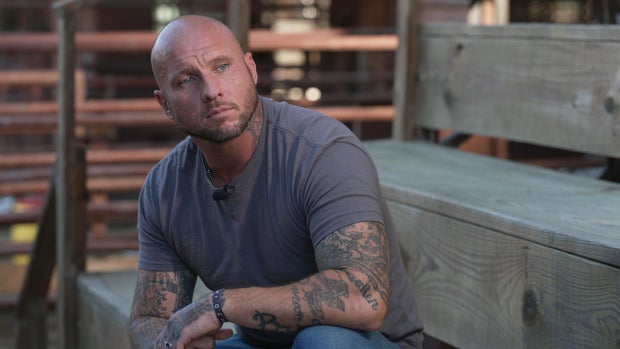
Kevin “Country” Gildhouse shares the memory of his daunting journey to Angola. Nearly 20 years prior, he was sentenced to life without parole after a botched robbery led to a cab driver’s death. Gildhouse reflects on the impact of his actions, recognizing the ongoing trauma faced by the victim’s family.
During select weekends in April and October, Gildhouse and fellow inmates compete in front of thousands of spectators. Amid the tension and struggles, there’s a moment of triumph when man challenges beast and sometimes wins.
The experience of riding offers a brief escape, where inmates like Gildhouse are not confined, but simply participants in the rodeo.
Gildhouse emphasizes this freedom, stating they voluntarily choose to participate.
The Evolution of Angola’s Rodeo
Originally a slave plantation, Angola was notorious for extreme violence and poor conditions. In 1951, inmates protested forced labor by injuring themselves. Conditions later improved, and a rodeo began in the 1960s.
Warden Darrel Vannoy states, Angola’s rodeo marks its 60th anniversary. It has grown from a modest event to its current form.
Vannoy, with decades of correctional experience, hopes to portray inmates as more than their crimes.
Travis “Buckethead” Johnson’s Journey
Travis “Buckethead” Johnson, a reigning rodeo champion, recalls a simple childhood. His arrest for murder came after he fell into drug addiction following a move. The events leading to his incarceration remain difficult for him to discuss.
Johnson finds redemption in participation, asserting that despite race, rodeo unites everybody. Fellow inmate Kenny “300” Palmer recognizes this event as a vital outlet.
Creative Pursuits and Community
Kenny Palmer, serving a life sentence, engages in crafting chessboards and beaded necklaces. Sales from these crafts provide some financial support; however, success varies.
Rodeo attendance fees contribute further, resembling a small-town fair. Visitors bring social interactions and occasionally lead to lasting relationships. As Palmer notes, some inmates have met partners during these events.
The Broader Impact and Redemption
John Corley, another inmate, runs an award-winning prison magazine. He highlights the generational ties many officers have with Angola, with some, like Warden Vannoy, dedicating their lives to the facility.
Corley acknowledges his crime — the unintended death of his wife during a domestic dispute. He believes purpose can transform inmates, providing a new sense of self-worth.
Despite Angola’s troubled history, some see potential for personal redemption. Gildhouse expresses belief in spiritual forgiveness, although he refrains from asking for society’s pardon.
Various elements, including the rodeo, offer a glimpse into a different existence. For many, it serves as a rare opportunity for reconnecting with humanity amid harsh realities.
Leave a Reply