Newsweek’s newsletter, China Decoded, provides an in-depth look at China’s influence worldwide. It is penned by Senior Correspondent Didi Kirsten Tatlow and China Editor John Feng. The newsletter delves into Beijing’s mindset and the effects of its policies on global dynamics, particularly in relation to the U.S. and its allies. Interested readers can receive the newsletter directly in their inbox.
A Glimpse into Gender Disparities at the APEC Meeting
The Asia-Pacific Economic Cooperation (APEC) meeting in Shenzhen underscored a longstanding issue: dominance of male leadership. China, the U.S., and Russia exemplified this point. A Chinese saying, pìnjī sīchén (牝鸡司晨), refers to the unnatural notion of a hen crowing at dawn, symbolizing disorder when women gain power. It’s a concept deeply rooted in Chinese history and culture.
Statistics highlight the absence of women at top levels in Chinese politics. Under Xi Jinping, female representation in the CCP Politburo dwindled from two in earlier years to none. The blocking of women from lower leadership roles means their advancement is limited.
Current Female Representation
At the recent APEC meeting, only three of the 21 leaders from Asia-Pacific countries were women. Notable attendees included Japan’s first female leader, Sanae Takaichi, Mexico’s president Claudia Sheinbaum, and Peru’s Keiko Fujimori. In contrast, many women attended in supportive or ceremonial roles.
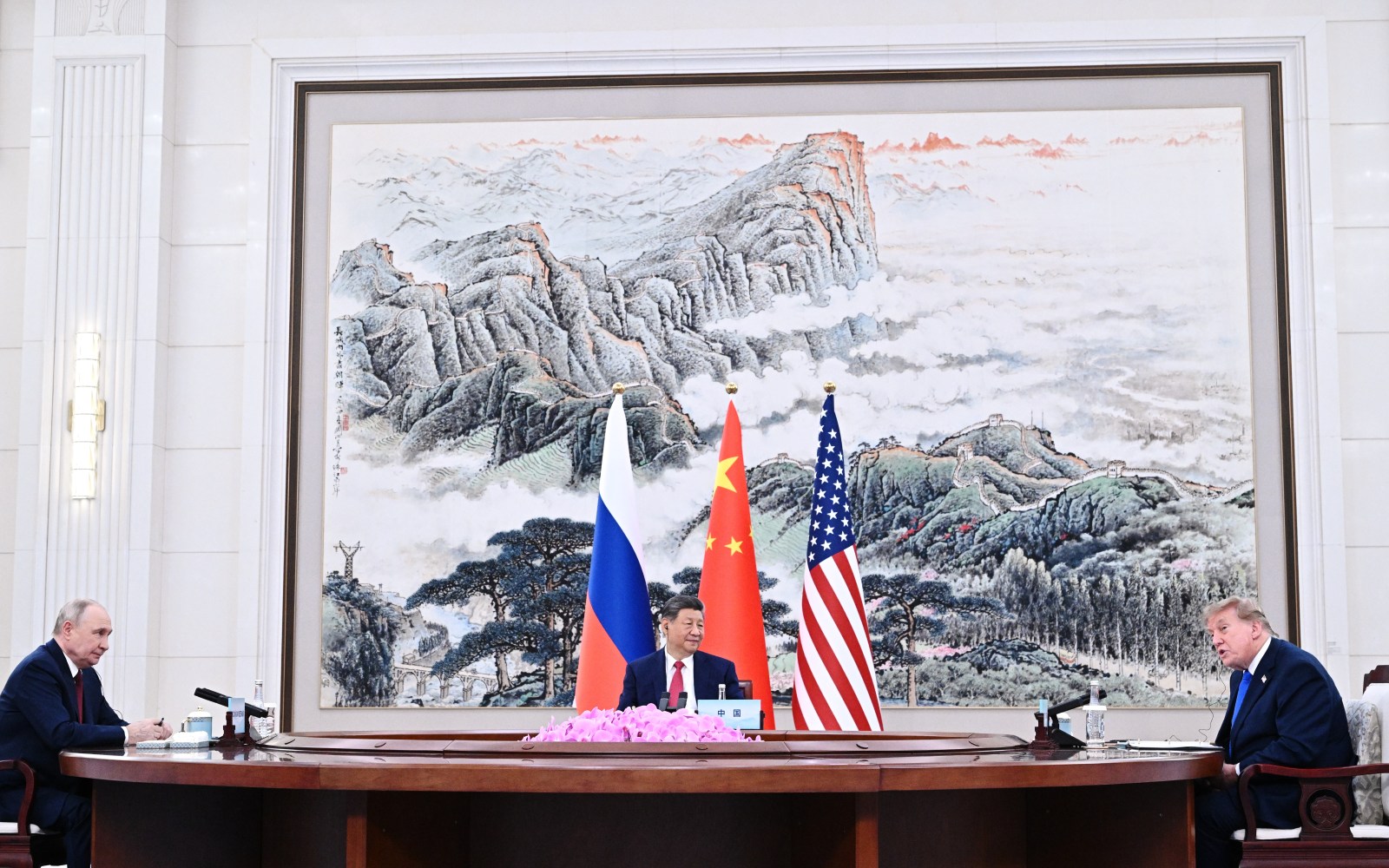
The prominence of male leadership was striking, with significant discussions carried out by male officials from China, the U.S., and Russia. The leaders denounced the International Criminal Court, supported petroleum use, and voiced a general desire for peace.
As China’s nuclear arsenal rapidly grows, concerns about global nuclear tensions persist. The Shenzhen meeting highlighted the continued global male leadership dominance, despite various efforts to promote gender equality.
The Data on Gender in China’s Politics
Mao Zedong once claimed that women are vital to China’s strength, but the political landscape remains male-dominated. The maximum number of women in the CCP Politburo was two, last seen between 2012 and 2017. By 2021, Sun Chunlan was the only woman, tasked with overseeing COVID-19 management during the 2022 Winter Olympics.
Currently, no women are part of the Politburo’s core Standing Committee. Analysis reveals slow progress for women reaching senior positions, attributed to a combination of cultural, structural, and policy-related barriers.
Despite nearly a third of the 101.29 million CCP members being women, the representation of women in leadership is minimal. Recent policy shifts emphasize women’s roles in family and childbearing, contrasting gender equality efforts and highlighting political leadership disparity.
The underrepresentation of women in regional leadership constrains their future national leadership chances. Factors contributing to this include generational party composition, restrictive representation policies, childcare responsibilities, and concentration in limited sectors.
Leave a Reply