Recent widespread outages in the U.S. have dominated headlines, raising fears about potential “doomsday” scenarios. The disruptions began with a Microsoft outage and were followed by other incidents affecting the Federal Aviation Administration (FAA), banks, and companies like JPMorgan Chase and Apple. Although officials have found no evidence of coordination or malicious intent, the frequency of these incidents has led to concerns about interconnected infrastructure vulnerabilities.
Cyber Incidents: Underlying Causes and Responses
U.S. officials state there’s no confirmed ongoing attack. The FAA ground stop reflected modernization challenges with aging infrastructure. President Donald Trump minimized the issue, attributing it to the realities of large organizations. Nevertheless, calls for transparency have come from both political parties.
Panic or Preparedness: What a Cyberattack Might Entail
Cybersecurity experts warn that advanced attacks, sometimes described as a “cyber 9/11,” could lead to significant infrastructure disruptions. The use of artificial intelligence enhances the potential for exploiting vulnerabilities. In response, the U.S. has initiated measures through agencies like the Cybersecurity and Infrastructure Security Agency (CISA).
Potential Aftermath of a Large-Scale Cyberattack
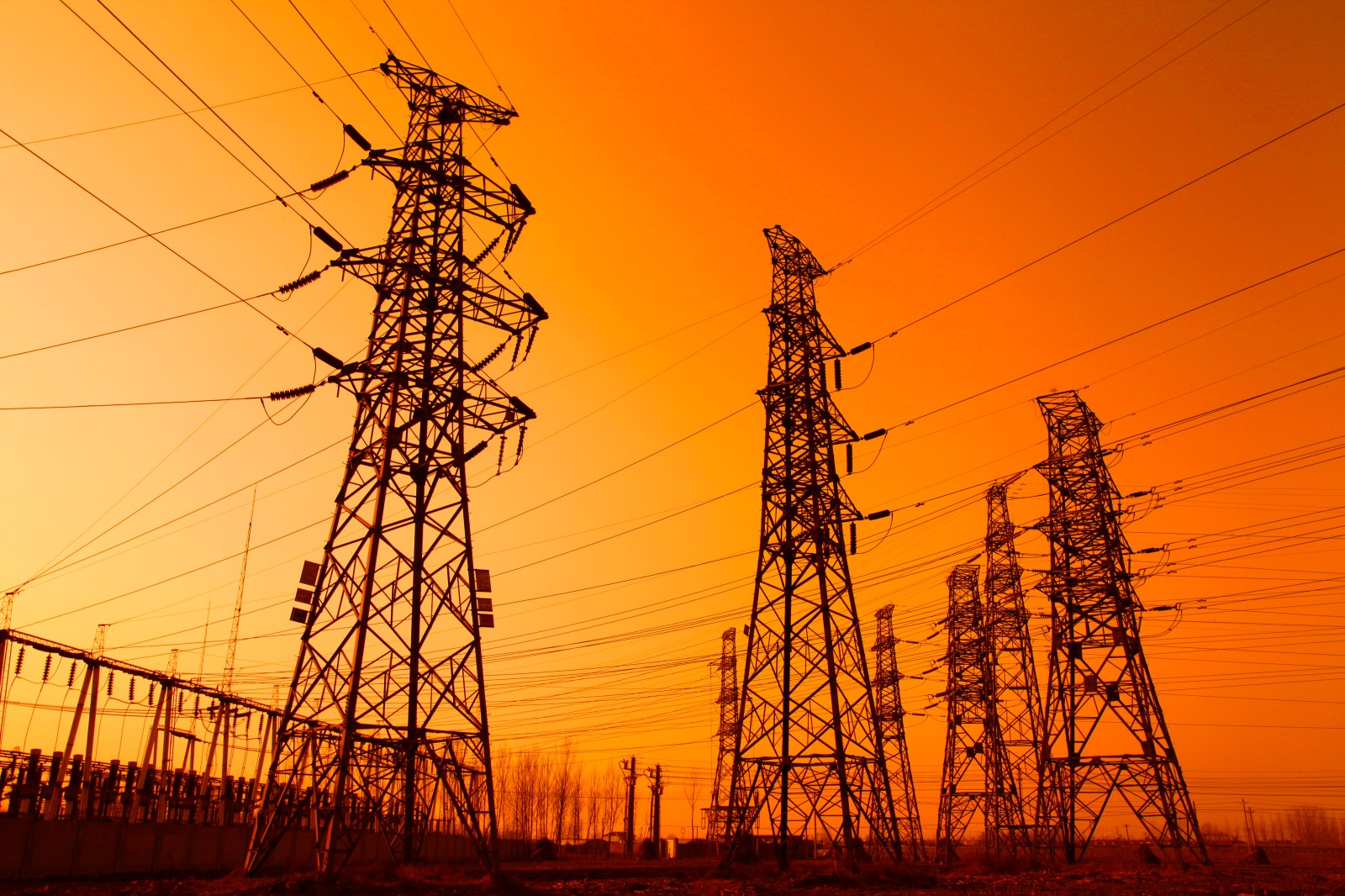
A major attack could cause prolonged disruptions to essential services like electricity, water, and communication systems. The National Infrastructure Advisory Council (NIAC) highlights the interconnectedness of these systems, emphasizing that failures could cascade and affect critical services, leaving communities struggling.
Historical Context and Preparedness
The U.S. has been preparing for potential cyber threats for years. Initiatives by CISA aim to provide guidance on recognizing and responding to cyber incidents. Government advice suggests that individuals also prepare for outages by stocking essential supplies and maintaining copies of important documents.
Understanding Cyberattacks
Cyberattack types include malware, ransomware, and phishing, all of which target data and disrupt systems. More complex attacks may disrupt operational technology behind vital infrastructure.
A Coordinated Approach to Cybersecurity
A severe cyberattack would necessitate collaboration between government and private sectors. CISA plays a key role in safeguarding civilian networks, particularly aging systems. Experts warn against cuts to cyber agencies, as sufficient funding and staffing are crucial for maintaining readiness.
Emergency Preparedness at the Individual Level
Federal guidance encourages individuals to prepare for possible service outages. Essentials include food, water, backup power, and financial documents. The goal is self-sufficiency for up to 14 days, exceeding the traditional 72-hour advice.
The ongoing discussions highlight the importance of preparedness without succumbing to panic. Proactive measures can help individuals and communities navigate potential disruptions effectively.
Leave a Reply