In the aftermath of Hurricane Lowell, the island of Kauaʻi is grappling with significant challenges. A month after the hurricane’s impact, the landscape is marked by downed trees, construction crews, and damaged homes. The Sheraton Kauaʻi Resort, a major employer in the area, laid off over 100 workers, and its grounds remain covered with sand while the pool deck is crumbled. This situation reflects the broader economic strain facing the island.
Following the hurricane, unemployment claims surged from 69 to approximately 1,800 as the tourism industry suffered a sharp decline in visitors. Consequently, Medicaid applications by island residents increased by about 50%, as cited by the Hawaiʻi Department of Human Services. In times of emergencies, Medicaid acts as a crucial safety net, enabling individuals to maintain health coverage.
The One Big Beautiful Bill Act, signed by President Trump, introduced new work rules complicating Medicaid access for many. The law mandates that nondisabled adults enrolled in Medicaid across 43 states and Washington, D.C., must engage in employment, volunteering, or schooling for at least 80 hours monthly. Eligibility checks for these requirements are scheduled to begin in January. However, individuals in disaster-affected counties may qualify for temporary exemptions, relying on federal disaster declarations.
If rapidly issued, disaster declarations can provide short-term Medicaid work exceptions.
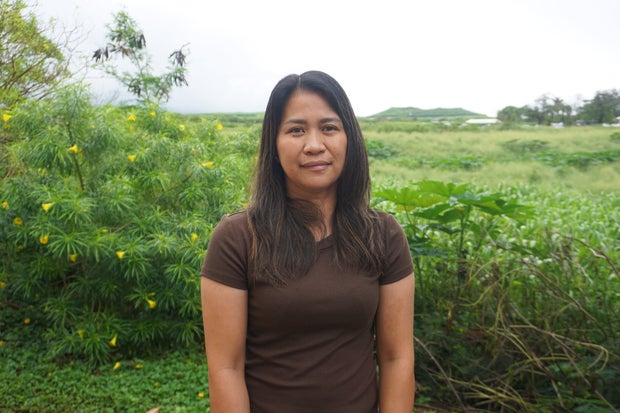
Rochelle Ganotisi, for example, faces uncertainty after being laid off from the Sheraton. Along with unemployment benefits and part-time work, she managed to secure three months of health insurance through her union. Yet, she plans to apply for Medicaid if her job does not get reinstated. Hawaiʻi’s governor, Josh Green, highlighted the urgency of these declarations, particularly with the looming Medicaid work requirements set for next year.
Nationally, inconsistencies in enacting Medicaid work exemptions are evident. While 34 states alongside Washington, D.C., intend to adopt hardship exemptions, four states (Indiana, Iowa, Missouri, and Ohio) have opted out, even though disaster declarations were issued for severe weather events this summer. The Centers for Medicare & Medicaid Services have offered states the option to postpone enforcing work requirements until July, but eligibility checks remain mandatory by January.
In Nebraska, earlier implementation of work requirements provided a preview of the hardships involved. It revealed the delays in federal disaster declarations, with some affected residents losing healthcare temporarily. Eventually, exemptions were granted, allowing for eligibility reassessments and reimbursements.
The economic ramifications of natural disasters extend beyond immediate damage, affecting employment, housing, and business operations. The Small Business Administration reports that 90% of businesses fail within two years of a disaster. Examples like the ongoing recovery efforts in Maui post-wildfires illustrate the extended timeline often required for full rehabilitation.
The introduction of work requirements may slow down economic recovery, adding financial burdens on communities already struggling to recuperate. Moreover, states challenging the implementation of strict work rules argue that they face narrow timeframes in securing disaster-related exceptions.
President Trump’s hesitancy in issuing disaster declarations has compounded these issues. The recent denial rate of nearly 25% for disaster requests marks a significant increase in comparison to past administrations. This tendency is notably prevalent in states led by Democratic governors.
In the case of Oscar Cardova, a restaurant worker affected by the hurricane, the challenges are further magnified due to his immigration status. Having lost his job-related health coverage, Cardova is navigating living in a van with limited means to afford necessary medical expenses. His story underscores the broader struggles faced by those hit hardest by disaster events and bureaucratic barriers.
Leave a Reply