For the first time since 1947, Mississippi elected a new Democratic senator. Scott Colom turned a statement from Sen. Cindy Hyde-Smith regarding high beef prices into an effective campaign ad. Colom’s victory was part of a broader Democratic success. In Texas, James Talarico and Gina Hinojosa also won key positions, unseating prominent Republican opponents.
In Alaska, Mary Peltola’s victory over Sen. Dan Sullivan increased the Democratic Senate majority to 56-44. Many voters were concerned about affordability issues, which became a central theme in the 2025 elections.
The Economic Landscape
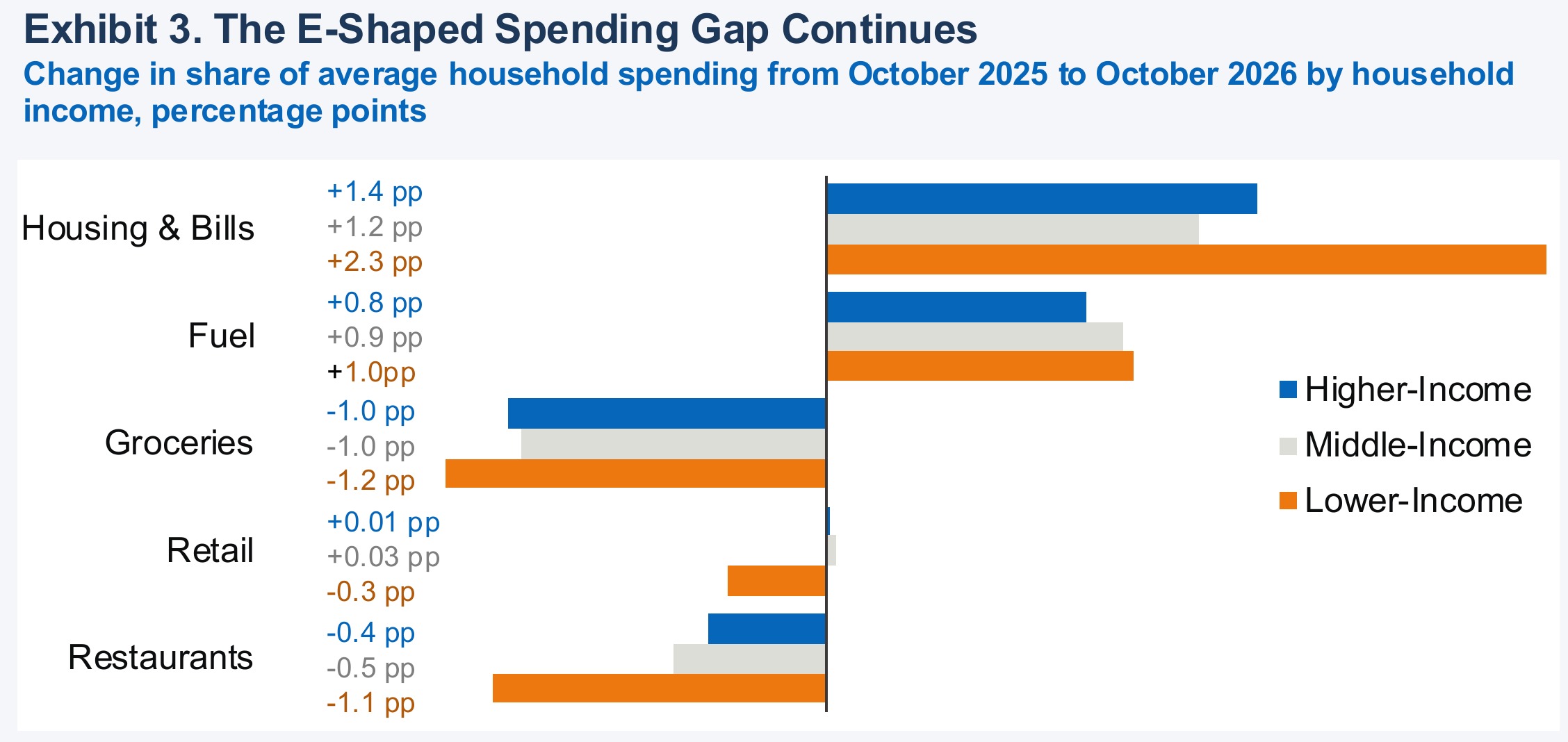
Former economic columnist and Navy Federal Credit Union chief economist Heather Long highlighted the economic challenges many faced. Previously discussing a K-shaped economy, Long now describes an E-shaped economy. The top third of households spends significantly more and remains less affected by inflation. Long reported that the top third increased spending by $234 monthly compared to $73 for others. However, the middle and lower-thirds face growing financial strain, particularly from gas prices.
The middle class has maintained bill payments while reducing food expenses to balance their budgets. Data shows a 1% decline in adjusted spending. Lower-income groups have reduced spending by 1.7% due to increased housing and utility costs.
The Navy Federal Report Insights
A report from Navy Federal tracks spending patterns of 6 million members. In October, households spent $140 more monthly compared to the previous year, primarily on housing and gas. Adjusted for inflation, spending is 0.5% below January levels.
Navy Federal members pay more in housing costs due to rising property taxes and insurance. Some seek personal loans to cover these unexpected increases.
Voters’ top concern in elections was the economy. Many reported financial decline, countering narratives from financial CEOs about consumer resilience. The growing expenses in housing and utilities—labeled as a ‘silent squeeze’—impact household budgets significantly.
Consumer Behavior and Market Trends
Consumer spending indicates a shift towards more economical shopping. Long noted a discernible trend: even high-income consumers are opting for discount retailers. Walmart’s earnings reflect increased market shares from wealthier customers. Long also warns about rising credit-card debts and personal loans as concerning economic indicators.
Some relief has come with recent declines in gas prices. However, upcoming health insurance premiums for 2027 could pose new financial challenges. Long emphasized that changing consumer habits reflect real economic pressures felt nationwide.
Leave a Reply