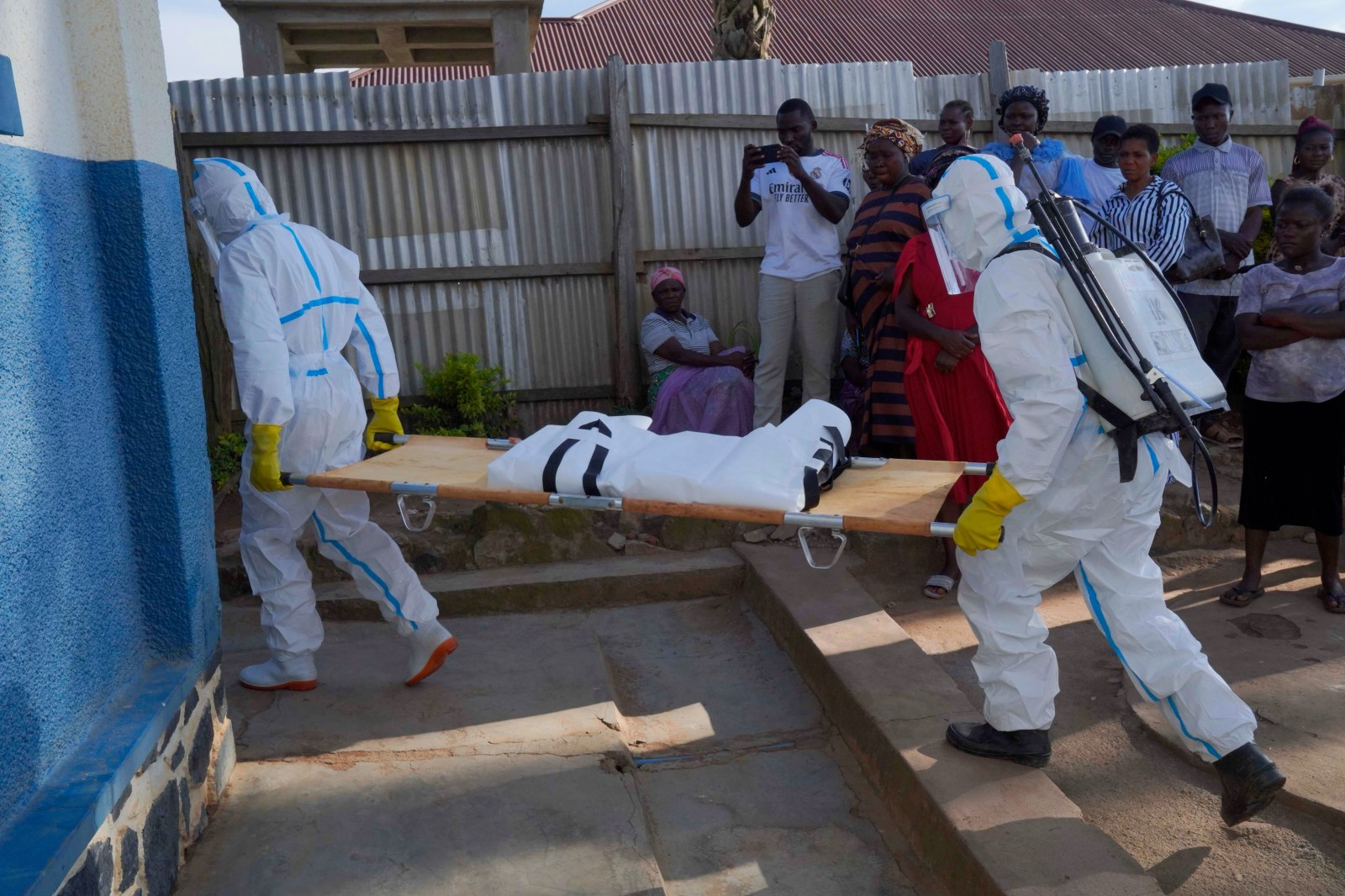
The Ebola outbreak in the Democratic Republic of the Congo (DRC) presents an immense challenge. With a death rate near 50%, significant disruptions hinder efforts to manage the epidemic. As of November 17, 5,678 of the 11,613 confirmed cases resulted in death, according to the World Health Organization (WHO). The outbreak, attributed to the Bundibugyo virus, emerged in May and remains the largest recorded outbreak, as reported by the Centers for Disease Control and Prevention (CDC).
Spread Across Borders
Last month, the Ebola virus spread to Kenya, following earlier cases in Uganda. This highlights the risk of cross-border transmission without effective containment measures. These developments present major challenges for the DRC authorities.
Impact of Conflict
The outbreak is primarily concentrated in eastern regions like Ituri and North Kivu. Here, communities endure both Ebola and ongoing armed conflict. This fighting, involving government forces and insurgent groups like the M23, exacerbates one of the worst humanitarian crises globally.
Health workers face harsh conditions. Attacks on them and health facilities compound the risks in this volatile environment. For instance, the WHO reported combat activity near a hospital in Ituri. Workers and patients took refuge in the hospital’s maternity ward under threat, impeding healthcare operations and Ebola response efforts, according to WHO chief Tedros Adhanom Ghebreyesus.
Mistrust Impedes Progress
Distrust towards authorities and medical professionals complicates Ebola control efforts, especially in areas with scarce medical resources. In regions controlled by rebels, longstanding distrust persists due to historical conflict and abuses.
Many residents hold skepticism about the disease’s origins and treatment methods. Julienne Anoko, from WHO, notes that local beliefs about Ebola involving poisoning or witchcraft persist. Such beliefs create hurdles for response teams. Some communities resisted home disinfection or contact tracing following suspected Ebola deaths, delaying intervention until laboratory confirmation.
Challenging Terrain
Eastern Congo’s challenging terrain further hinders response efforts. The dense rainforest, swamps, and damaged infrastructure complicate logistics. Jerome Bertrand of Handicap International remarked that supply convoys may take weeks due to these geographical obstacles.
This terrain extends the time for diagnosis. Before the outbreak’s recognition in May, samples traveled over 1,420 miles to Kinshasa. Authorities now utilize decentralized testing to address this issue. Local testing in areas like Mongbwalu allows for faster results, an approach acknowledged by WHO.
As of November 17, the DRC documented confirmed cases across 68 health zones, spanning eight provinces. Of these, 48 zones reported new cases in recent weeks.
Leave a Reply