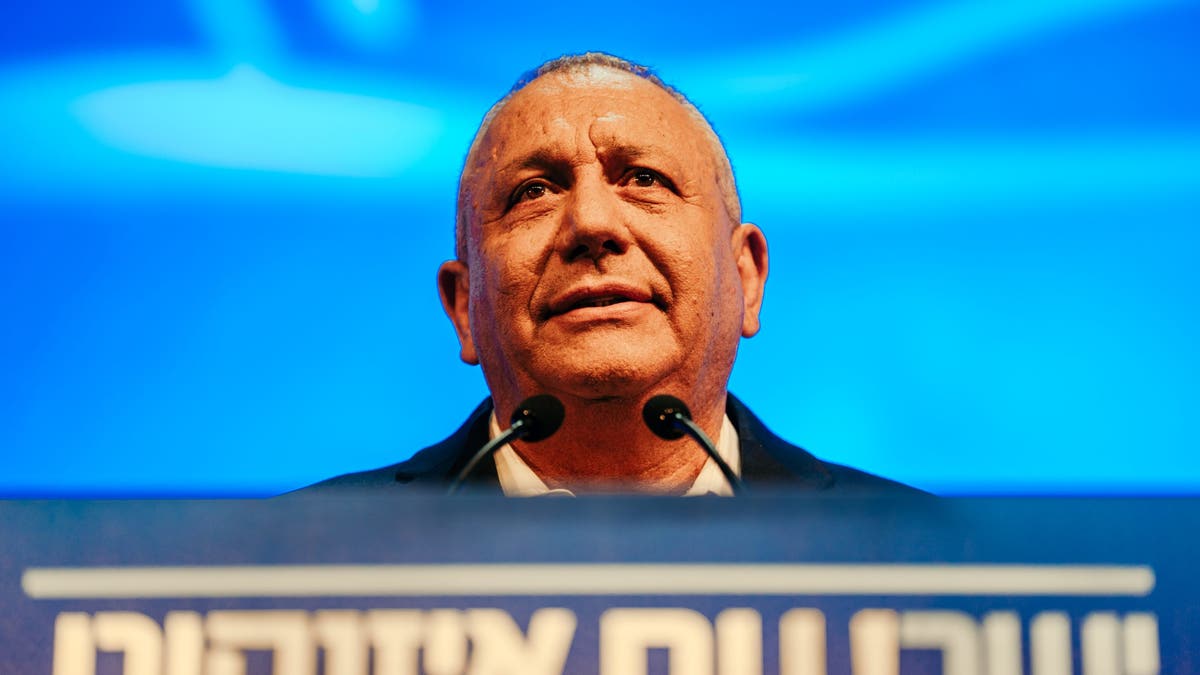
Israel’s political landscape is tense, with Gadi Eisenkot, chosen by Israel’s president to form a new government, asserting that Iran does not pose an immediate threat warranting military action before a new government is established. This view contradicts Prime Minister Benjamin Netanyahu’s stance. Netanyahu is currently the caretaker prime minister as political negotiations continue after recent elections.
Iran’s Nuclear Threat
Eisenkot, former chief of staff for the Israeli Defense Forces, considers Iran as Israel’s primary security challenge, citing Iran’s possession of 440 kilograms of uranium enriched to 60%. Eisenkot emphasizes the need for strict oversight of this material. Meanwhile, Netanyahu argues that the Iranian threat is real and pressing. He urges for a national unity government and shows flexibility concerning military conscription issues, though he rejects reliance on Arab-led parties for coalition.
Regional Dynamics and U.S. Stance
The uncertainty surrounding Iran’s uranium was last documented by the International Atomic Energy Agency, which verified about 440.9 kilograms enriched to 60% in June 2025. This information gap is highlighted by the U.S. and European nations. Former Mossad director David Barnea suggests military action should follow as soon as conditions permit, indicating skepticism towards achieving a diplomatic resolution with Iran.
President Donald Trump has indicated a readiness to strike Iran if negotiations fail, describing Iranian negotiators as adept at avoiding progress. However, a U.S. official stated the current U.S. economic pressure strategy against Iran is effectively reducing the necessity for military action, though Trump retains all military options.
Israeli Political Maneuvering
Within Israel, Eisenkot works to transition his election results into a ruling coalition. Though his alliance secured 48 seats compared to Netanyahu’s 53, shifts in alliances have left Netanyahu with less formal support. Eisenkot’s broader support base includes parties with differing views on Arab participation in the government.
While Netanyahu continues as a caretaker, the new parliamentary majority under Eisenkot’s allies has started to influence legislative direction. Legislation to reverse Netanyahu-era judicial processes and other reforms is being advanced, although not yet enacted. Eisenkot insists any future coalition must agree to key principles such as a national commission inquiry into recent attacks and compulsory military service for all citizens.
Leave a Reply