The ongoing conflict between Russia and Ukraine presents two seemingly opposing trends: an escalation in military actions and a renewed push for peace negotiations. Ukrainian strikes against Russian vessels have reached areas as far apart as Finland and Libya, while Russia has launched missiles into a NATO ally. At the same time, U.S. officials indicate Russia’s acceptance of some form of security guarantee for Ukraine, akin to NATO’s Article 5, with discussions of a potential peace deal by early 2027. Talks in Abu Dhabi are expected to continue.
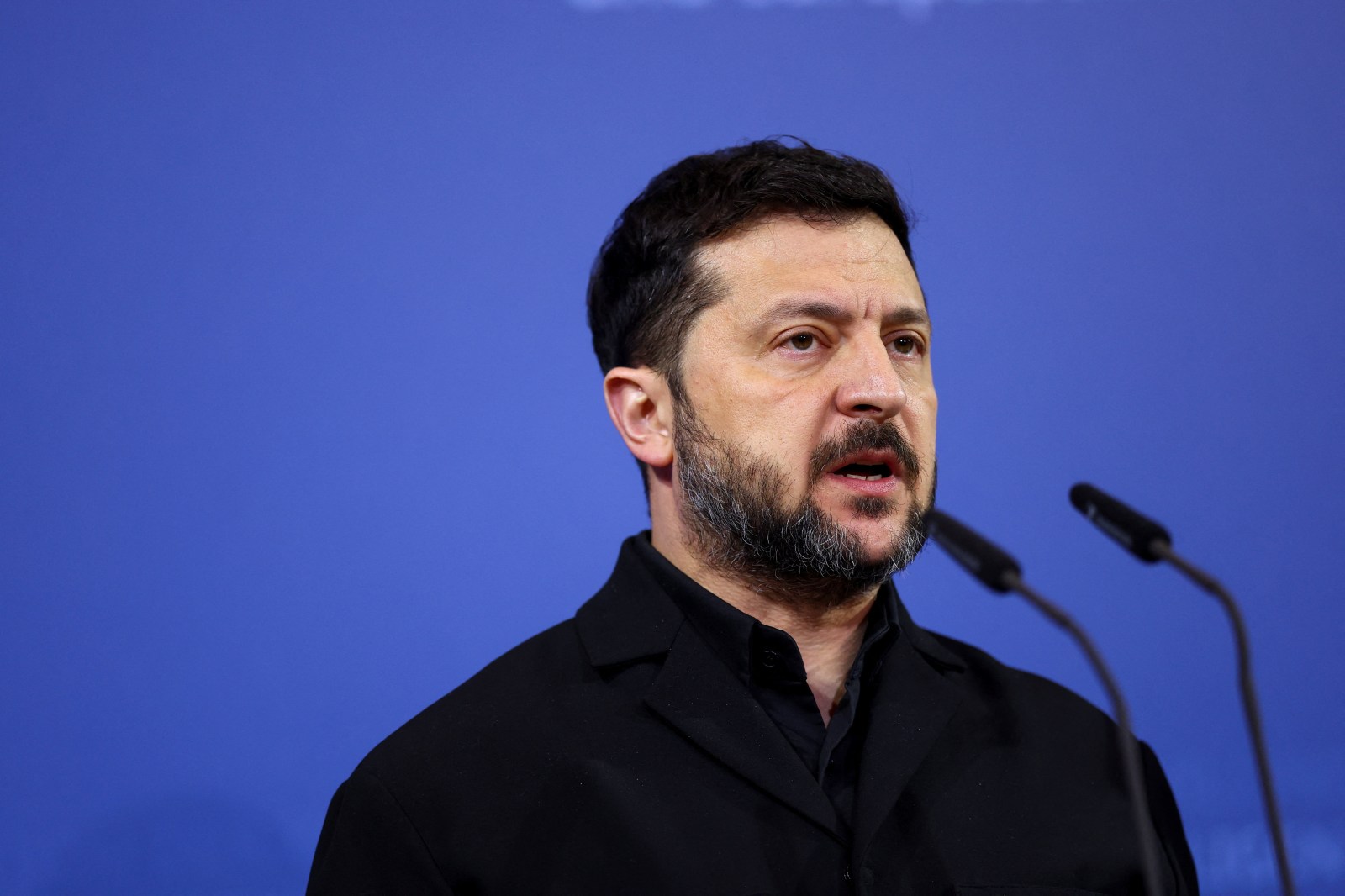
The simultaneous escalation and pursuit of peace may be intertwined. As the possibility of a settlement grows, both parties have more incentive to strengthen their positions before negotiations conclude. Italian Foreign Minister Antonio Tajani pointed out that military activity often increases when peace talks begin. Ukrainian President Volodymyr Zelensky has affirmed that negotiations for peace are ongoing, expedited by the American desire for a deal before January, when a new Democratic-majority Congress takes control.
The escalation is evident. On a recent Friday, three Russian missiles landed in southeastern Poland, a NATO member bordering Ukraine. Although no casualties were reported, Poland’s Prime Minister Donald Tusk considered it an “intentional provocation.” The incident coincided with a “Declaration toward Peace” issued by leaders in Shenzhen, although Ukraine was not addressed in the declaration. Meanwhile, Russian President Vladimir Putin vowed no moratorium on energy infrastructure attacks.
Further incidents occurred, with Ukrainian drones attacking a Russian cargo ship, leading it to drift into Finland’s waters. Prime Minister Petteri Orpo emphasized Ukraine’s right to “fight back against the aggressor.” Additionally, Ukrainian sea drones sunk the Merkury, a Russian corvette, in Libya.
Despite Trump anticipating a “real good chance” for a Ukraine deal, and his envoy Jared Kushner noting Russia’s comfort with possible security guarantees, tensions persist. History offers parallels: during the Korean Armistice talks, negotiations continued amid ongoing combat, accounting for a significant portion of U.S. casualties. In a similar light, targeting Russian assets from the Baltic to the Mediterranean serves to raise Moscow’s costs in the war.
President Zelensky has labeled Russian-flagged ships as legitimate targets, extending the interpretation of naval warfare laws. Conversely, Russia has intensified assaults on Ukraine’s power grid as winter approaches. The U.N. has noted these attacks as more extensive than those a year prior. Situations where neither side emerges victorious are becoming increasingly apparent.
Scholar I. William Zartman has asserted that conflicts prime for resolution when both parties feel trapped in stalemates, with an exit seen as catastrophic. During such moments, brinkmanship is crucial. Zartman highlighted the Cuban Missile Crisis resolution as such a scenario. Nonetheless, he cautioned that resistance often hardens under pressure.
Peace discussions over the Ukraine conflict have resumed, but reaching closure is complex. Russia’s rejection of a ceasefire for talks complicates progress. Russian Deputy Foreign Minister Sergei Ryabkov dismissed any “quasi membership” of NATO for Ukraine. The last Abu Dhabi round resulted in a prisoner-exchange deal, though no critical advances were made.
As the situation mirrors the prelude to World War I, risks abound in the ties between global powers, highlighting Europe’s intricate security measures. In Libya, Ukrainian drone activity has been equated to declarations of war, positioning Kyiv as unrestrained by conventional geographical limits. Miscalculations or overreactions in the grey-zone conflict—or hybrid warfare—pose risks of activating NATO’s Article 5, potentially drawing American military involvement.
Efforts to resolve the conflict in Ukraine might eventually forge broader European security agreements with Russia, reducing the potential for grave miscalculations. An optimistic view suggests this might occur by 2027, yet an alternative possibility remains: prolonged negotiations accompanied by ongoing violence.
Leave a Reply