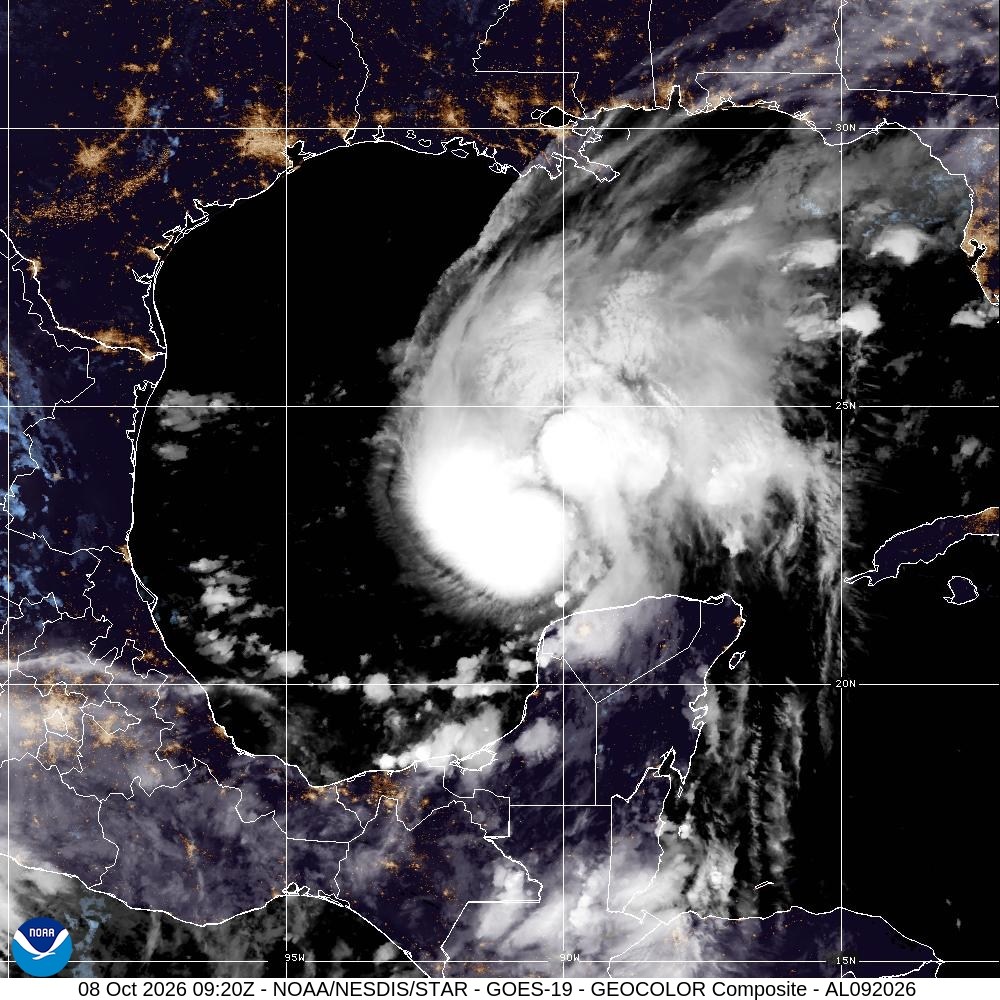
The National Oceanic and Atmospheric Administration (NOAA) announced an early end to the 2026 hurricane season. A strong El Niño, one of the most intense on record, contributed to a notably quiet period in the Atlantic.
NOAA’s Tuesday announcement detailed the season’s activity. The Atlantic saw only ten named storms, with Isaias being the sole major hurricane. In contrast, the Eastern Pacific had a record-breaking season with 20 named storms and eight major hurricanes.
NOAA administrator Neil Jacobs highlighted the agency’s forecasting skill. He noted their accurate prediction of the strong El Niño months in advance, which was crucial for this season’s forecasts.
Social Media Reactions
NOAA’s announcement caught the attention of meteorologists online. Florida Meteorologist Matt Devitt humorously noted on social media, “NOAA’s social media director clearly will be on vacation for the rest of the month,” citing the early end. WFLA Chief Meteorologist Jeff Berardelli added, “Guess the Atlantic Hurricane Season was so quiet NOAA employed the mercy rule.”
Brooks Garner from FOX 35 Orlando also commented, saying, “If only El Niño would end a week early.” NOAA Satellites highlighted El Niño’s significant impact, stating it shaped the 2026 hurricane season.
Newsweek reached out to the National Weather Service and National Hurricane Center for further comments.
Season Overview
This season’s ten named storms fell below the long-term average of 14. Normally, about seven of these would develop into hurricanes, with three reaching major hurricane status. Isaias was the only hurricane, striking Florida as a Category 2 storm on October 7. This was the latest first hurricane formation since the satellite era began in 1966.
In contrast, the Eastern Pacific experienced an unusually active season. With 20 named storms, exceeding the average 15, and Polo becoming the most intense hurricane with the second-lowest recorded pressure. The region saw its most active hurricane season based on Accumulated Cyclone Energy.
Impact of El Niño
As the hurricane season concludes, travel disruptions are expected on the West Coast due to King Tides. El Niño continues to affect Florida, as noted by Berardelli, predicting multiple storms over two weeks caused by a “Subtropical Jet on Steroids.”
Florida has faced severe flooding, leading Governor Ron DeSantis to declare a state of emergency for over 20 counties. El Niño influences weather patterns globally, typically increasing wind shear that hinders tropical system development in the Atlantic.
Leave a Reply