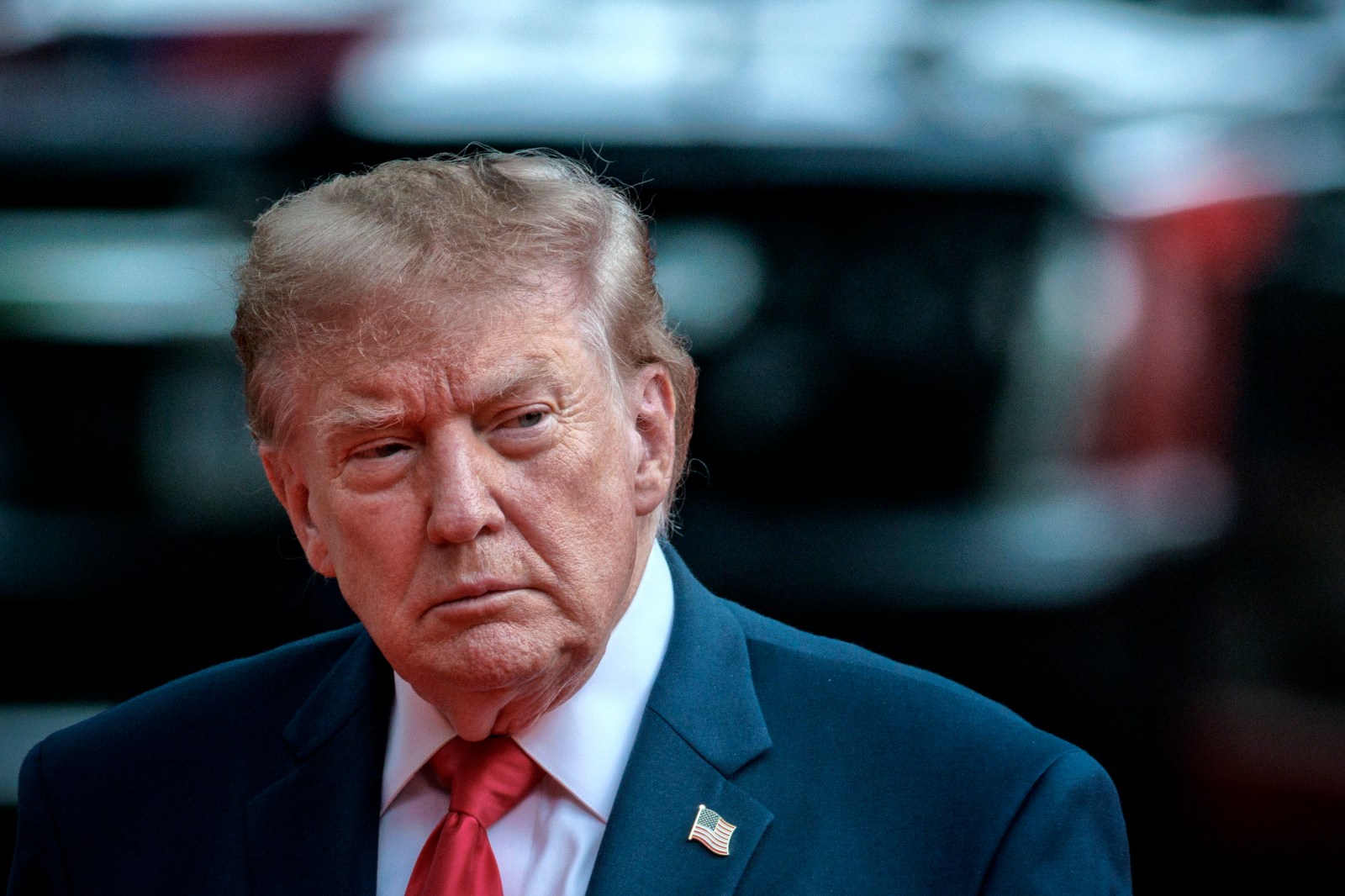
President Donald Trump’s approval rating has declined following the midterm elections. Many view this drop as a reaction to his administration’s policies. This shift contributed to the Democrats gaining control of the House of Representatives and Senate.
According to RealClearPolitics’ polling data, as of Tuesday, Trump’s net approval rating was -21.7 points. This includes an average of 37.9 percent approving and 59.6 percent disapproving of his performance. On November 5, these numbers showed a slightly better net approval of -20 points.
Factors such as the unpopular Iran conflict and economic dissatisfaction have negatively impacted Trump’s approval. These elements have posed challenges for the GOP during their attempt to maintain congressional control.
Political Shifts and Democratic Gains
As Democrats prepare to secure 56 Senate seats and 259 or 260 House seats in the 120th Congress starting January 3, their success highlights the impact of public opinion on the presidency.
Analysts, like Grant Davis Reeher from Syracuse University, describe these results as damaging to Trump’s reputation. The Democratic shift in traditionally Republican states, such as Texas, emphasizes this point.
Improving a president’s approval in the office’s final years is generally difficult, Reeher notes. However, Trump might find room for growth if he addresses unpopular policies and improves the economy.
Polling Insights
Recent surveys underscore the decline in Trump’s approval post-midterms. YouGov and The Economist reported a -30 net approval rating, with 33 percent approving and 63 percent disapproving.
In surveys conducted by YouGov earlier in November, his approval stood at -26 points. Morning Consult’s polling, however, showed relative stability with a net approval of -17 points. Echelon Insights depicted a -27 approval rating in mid-November polling.
Implications for Republicans
With Democrats leading both congressional chambers, Republicans face the challenge of future strategies. Discussions about potential 2028 candidates have emerged, including figures like Vice President JD Vance and Secretary of State Marco Rubio.
There is also interest in candidates outside Trump’s circle, such as Florida Governor Ron DeSantis. For Republicans, Trump’s brand of politics has altered the party’s landscape, complicating the path for candidates seeking to distance themselves.
Some Republicans, like Representative Ryan Zinke, acknowledge the party’s transition away from Trump. However, Reeher believes others will maintain alignment with Trump’s policies.
Trump’s Response to Polls
Trump has been vocal about his approval ratings, often dismissing unfavorable polls. On Truth Social, he criticized perceived biases, asserting that these polls are designed to demoralize Republican voters. Still, he claimed that the actual situation is positive and the country’s spirit remains strong.
Future Considerations
As the 2028 elections approach, Trump’s approval rating will be a significant factor in the Republican Party’s positioning. The Democrats’ aspirations for the presidency may depend on the public’s perception of Trump’s influence.
Leave a Reply