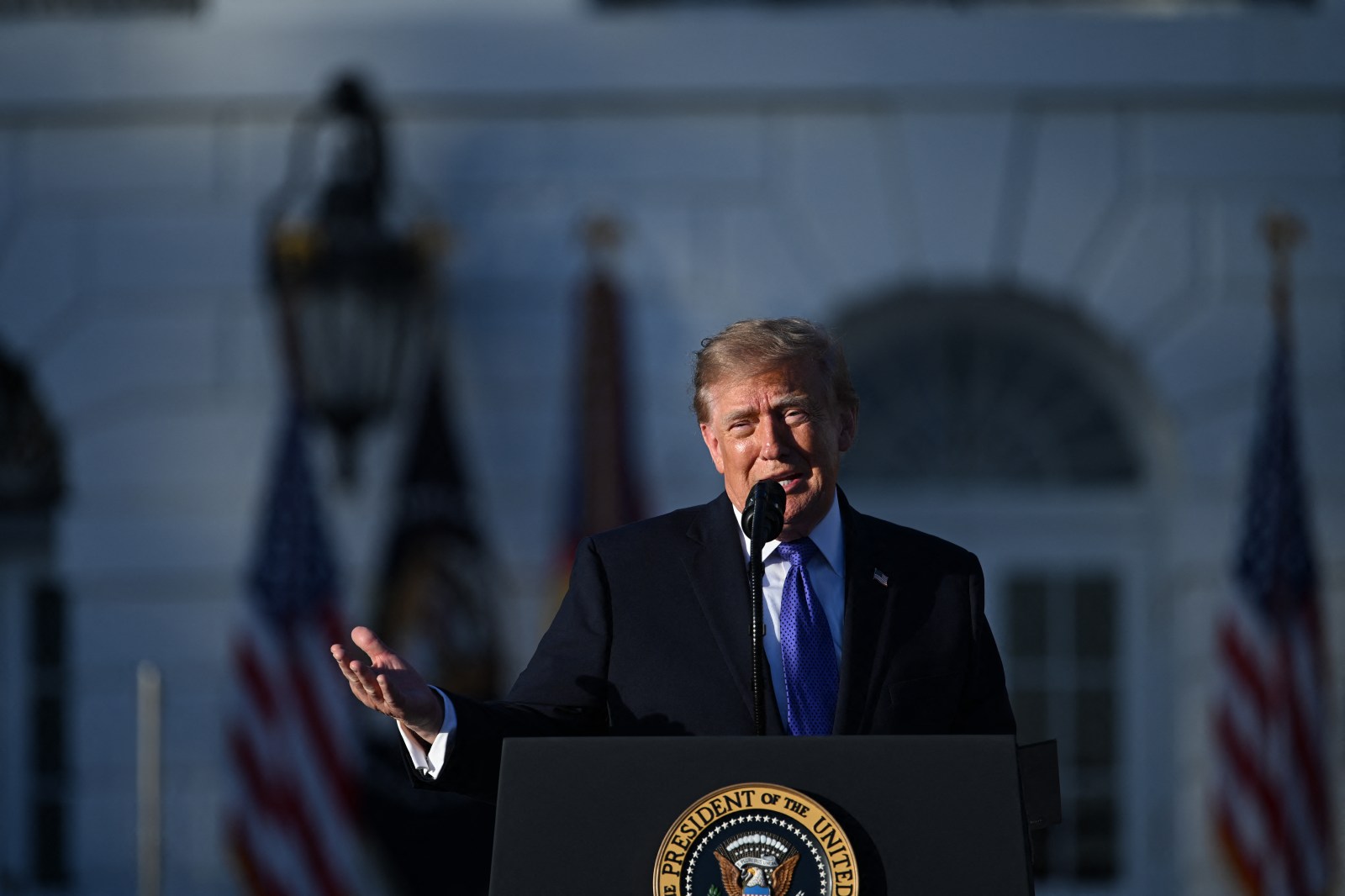
A former adviser to President Ronald Reagan, Hugh Hewitt, has suggested that President Donald Trump use his power to pardon over a million immigrants without legal status. Writing in an op-ed for Fox News, Hewitt described this potential action as a “golden touch” for Trump. Such a move would offer relief to undocumented immigrants fearing deportation.
Trump had earlier discussed the idea of negotiating with Democrats on immigration reform. However, this has faced resistance from his support base and administration officials due to concerns about amnesty.
He can pardon undocumented immigrants for any federal crimes they might have committed. That’s different, however, from legalizing their status, which raises different issues,” noted Ilya Somin, a law professor at George Mason University, speaking to Newsweek.
Hewitt’s suggestion is not for a blanket amnesty, but a selective pardon for certain individuals who entered the U.S. illegally or overstayed their visas before January 2020. Additional criteria include consistent employment and tax payments. He mentioned that this could initially apply to parents of U.S. citizens.
This unprecedented act would likely gain approval from a broad base of Americans, according to Hewitt. It would not require waiting for congressional action. White House Counsel Will Scharf could draft options for Trump to consider implementing this suggestion.
Jeremy Beck from NumbersUSA argues that Hewitt misinterprets public opinion, expressing that Americans desire credible enforcement of immigration laws. Beck suggests shifting focus to workplace enforcement through audits and the E-Verify system.
Trump holds constitutional power to issue pardons. However, using this to prevent deportation poses complex legal challenges. Article II of the Constitution allows presidential pardons, interpreted broadly by the Supreme Court. This could include pardoning classes of people rather than individuals.
Jason A. Cade, a legal scholar, noted that while a mass pardon might remove civil penalties related to immigration violations, it cannot confer legal status. Entering the U.S. illegally is a misdemeanor, and re-entry after deportation can be a felony. A pardon does not grant green cards or legal residency.
David Bier from the Cato Institute pointed out that while a pardon protects from criminal charges, it does not prevent deportation because it doesn’t offer legal status.
Reagan’s Immigration Approach
During Reagan’s tenure, the Immigration Reform and Control Act of 1986 included amnesty for qualifying undocumented immigrants, known for its broad legalization provisions while imposing employer sanctions.
Hewitt, referencing Reagan’s approach, mentioned the potential appeal of leaving a legacy through significant immigration reform during Trump’s presidency. Such a legacy would signal a lasting mark on immigration issues.
Trump has frequently raised the possibility of a deal to assist undocumented immigrants if they haven’t committed other offenses. Public support could influence his decision to act on this proposal.
Polls indicate a significant number of Americans support pathways to legal status or citizenship for long-term undocumented immigrants. However, Bier pointed out that a pardon would not resolve primary immigration debates.
Supreme Court decisions allow presidential discretion in prioritizing deportation. But Bier expressed skepticism about Trump acting on this advice without utilizing existing powers to shield immigrants from deportation.
Leave a Reply