Experts are warning that a burst in the AI market could significantly affect the U.S. housing market, particularly in areas where demand has been driven by wealth generated from the AI boom. Veronica Peter, a real estate agent at Compass based in Pleasanton, California, explained that luxury markets in key cities like San Francisco, Atherton, New York, and Miami have experienced rapid growth due to this new wealth. She stressed that the impact of an AI bubble burst would be most severe in these luxury markets.
Stock Market Concentration
According to a 2025 Gallup poll, about 62 percent of U.S. adults own stocks either directly or through retirement accounts. However, Federal Reserve data highlights that the top 10 percent of households own around 88 percent of stocks and mutual fund assets. A widespread stock market downturn could reduce retirement savings, impacting the ability of some households to invest in homes.
AI Investment Concerns
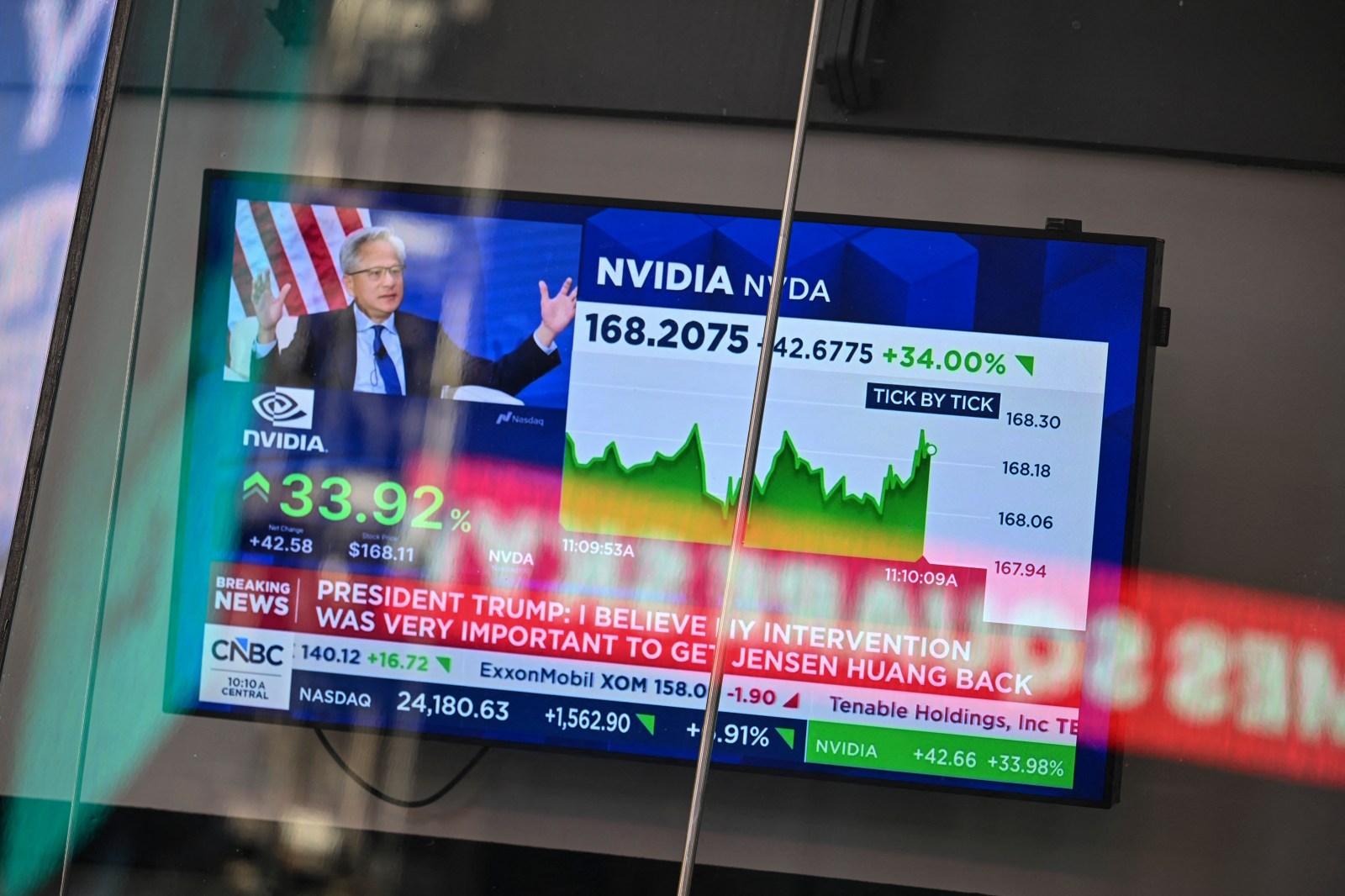
Recently, concerns about AI valuations increased due to a broad tech sell-off. This downturn coincided with controversy surrounding Nvidia’s CEO, Jensen Huang. Nvidia’s share price dropped by 47.5 percent during this period, affecting similar tech stocks like Meta and Alphabet.
Nvidia shares rose 31.5 percent when Huang returned as CEO before falling again by 5.9 percent. On November 24, Anthropic’s shares fell below their IPO price not long after going public. The European Central Bank and the International Monetary Fund have warned about inflated AI valuations and potential market vulnerabilities.
Effect on Housing Prices
Realtor.com points to a large disparity in down payments between AI hub counties like those in the Bay Area and nearby regions—around $61,000 on a median-priced home. The influx of young AI professionals has notably boosted the luxury market in San Francisco. About 60 percent of San Francisco homes are renter-occupied, with a typical rent of $4,820 and home values reaching $1.48 million. Rising eviction notices also reveal living challenges in the area, with significant price hikes in recent years.
Home prices rose 2.1 percent nationally up to September, according to the S&P Cotality Case-Shiller indexes. However, substantial growth was especially noted in Chicago, New York, Miami, and San Francisco. If the AI bubble were to burst, these markets could experience swift changes, particularly if tech stocks decline sharply, affecting down payments and market dynamics.
Veronica Peter notes that tech mergers, workforce reductions, or relocations could deeply impact local real estate markets if major companies shift operations. This could lead to job losses, affecting construction and equipment spending, and extending the effects beyond the main tech hubs.
Historical Lessons
Senator Elizabeth Warren compared current AI market risks with those seen on Wall Street before the 2008 financial crisis. She noted that Big Tech appears to be taking similar risks, potentially endangering the economy.
Currently, mortgage debt in the U.S. remains low relative to property values. Mortgage delinquency rates are low, though FHA loan delinquencies have risen slightly. Veronica Peter points out that today’s mortgage standards are stricter than during the subprime loan crisis, mitigating widespread foreclosure risks.
The AI boom has elevated the U.S. stock market, but a reversal could cause broader financial consequences, diminishing retirement savings and affecting property demand. Economist Paul Krugman points to the Buffett indicator, suggesting a potential $25 trillion decrease in stock wealth if it returns to 2019 levels, likely triggering a recession.
This article was developed using insights from Martyn, Newsweek’s AI assistant.
Leave a Reply