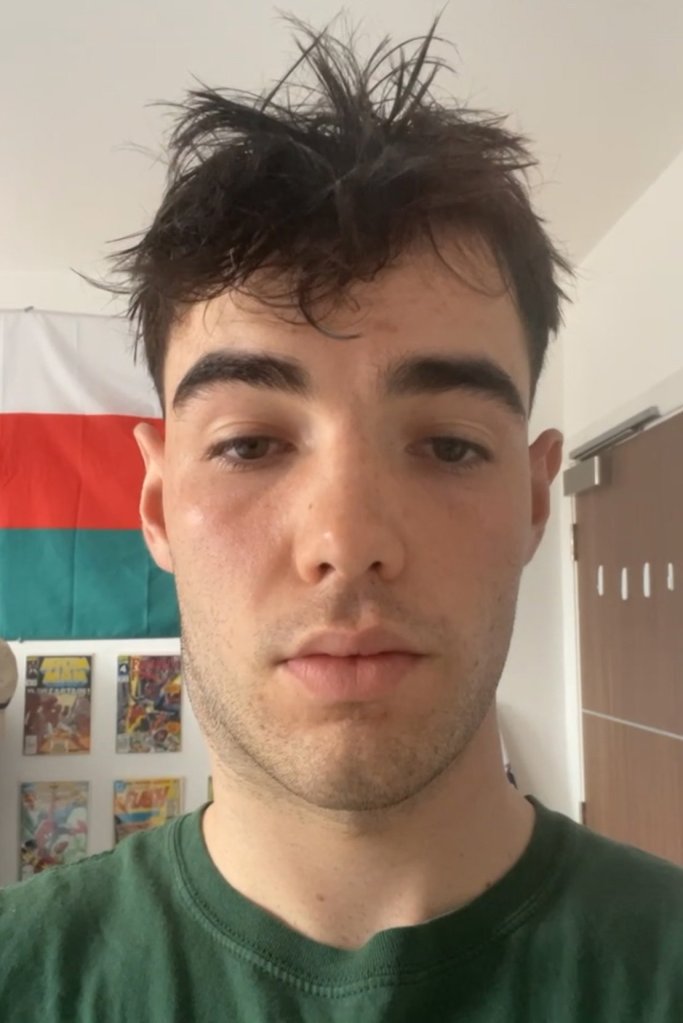
Charlie Wyre, aged 22, learned about his blood cancer following a soccer tackle that caused a lump on his neck to swell dramatically. In February 2025, during a soccer match, Charlie received a knock to the head. The next day, a swelling appeared on the right side of his neck.
His general practitioner initially prescribed painkillers, expecting the swelling to recede. Yet, the pain persisted, leading Charlie to visit his local urgent care center twice. Increasing discomfort prompted a visit to A&E at Leicester Royal Infirmary on March 10. Doctors there administered antibiotics for a suspected lymph-node infection.
By late March, a biopsy revealed a stage three Non-Hodgkin lymphoma diagnosis, a serious form of blood cancer. Treatment started with six chemotherapy sessions beginning April 17. By September 22 of the same year, doctors declared the cancer in remission.
Charlie attributes the discovery of his cancer to the soccer injury, which made the condition visible. He remarked how a simple sports injury inadvertently saved his life, giving him a chance for early diagnosis.
Throughout this time, Charlie battled extreme fatigue. As a sports teacher on a university placement, he often found himself exhausted, needing long naps after work and early bedtimes. Persistent illness from December to March further hinted at underlying health issues.
Worried about his ongoing symptoms, Charlie used sports-like determination to manage his cancer journey. He emphasized a mental approach, firmly believing positivity could affect outcomes. Upon confirmation of his diagnosis, he felt relief in having a concrete issue to address.
Despite the harsh effects of chemotherapy, Charlie achieved a milestone by graduating from Loughborough University with a first-class degree in international relations and history in summer 2026.
Determined to give back, he participated in the London Marathon, raising over £18,000 for the charity Teenage Cancer Trust. In 2026, Charlie completed the run in just under five hours and plans to attempt a faster time next year.
The support from his family and the Teenage Cancer Trust played a significant role throughout his treatment. The charity provided crucial assistance, helping the family feel cared for during challenging times.
Leave a Reply