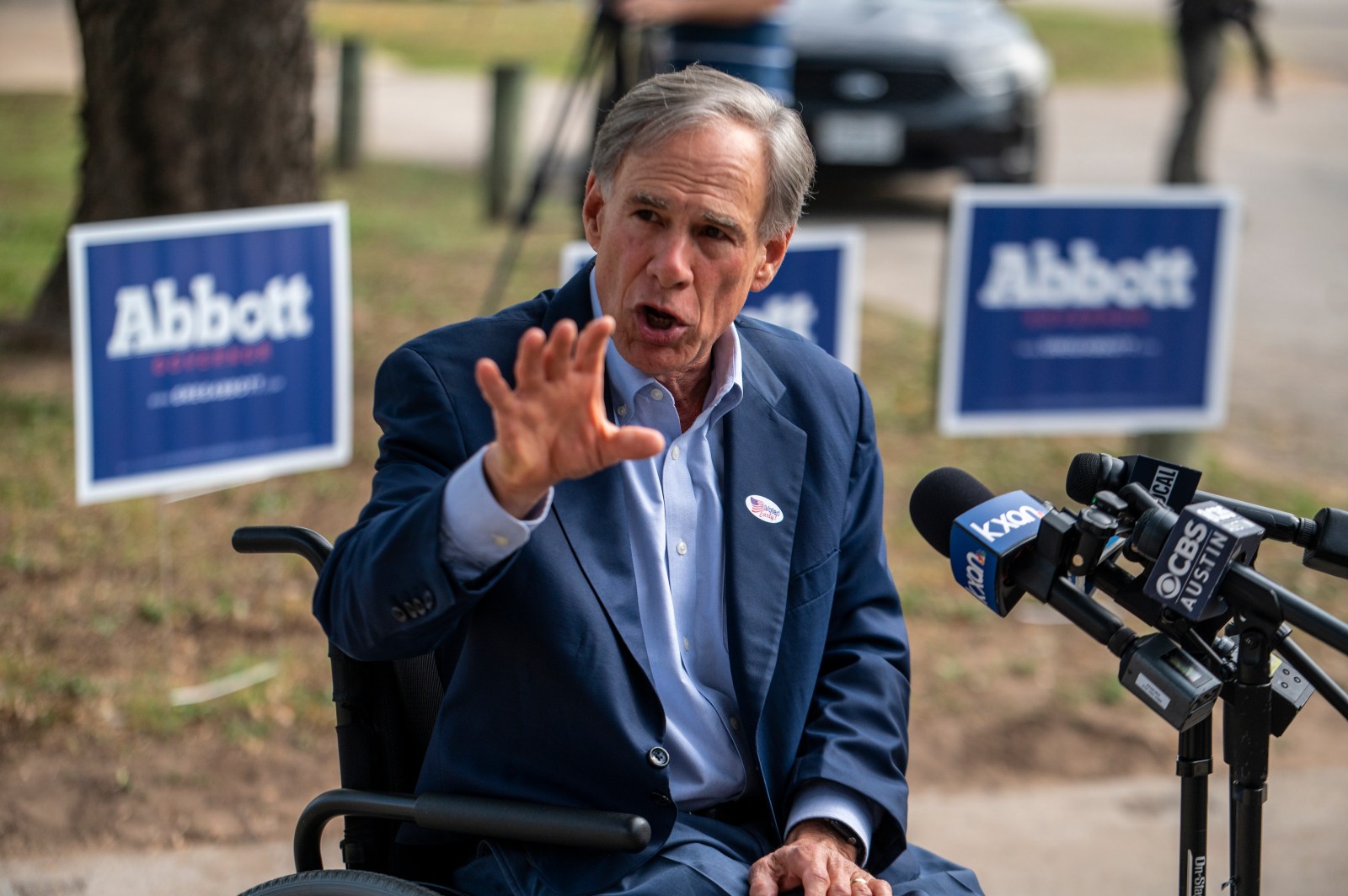
Texas Governor Greg Abbott ended his temporary suspension on environmental permits for data center projects shortly after his reelection defeat by Democrat Gina Hinojosa. The Texas Commission on Environmental Quality (TCEQ) resumed permit issuance by November 16, following a directive from Abbott’s office indicating completion of data collection on potential community impacts by the state’s grid operator. Governor-elect Gina Hinojosa had anticipated this move for months.
“Greg Abbott invited data centers into Texas with House Bill 2712 in 2015, offering hyperscale data centers 20-year tax incentives,” Hinojosa’s campaign website states. “A temporary pause is deceptive as he would likely lift it right after the election. True protection comes with real legislation.”
Abbott’s office notified TCEQ of the change on November 13, days after the election, aligning with Hinojosa’s predicted timeline. Abbott had signed House Bill 2712 in 2015, offering a 20-year sales tax exemption for qualifying large data center purchases. He praised Texas as an AI development hub at a Google event in November.
Abbott shifted his stance as rural opposition grew, citing concerns over power grid strains and water supply pressure. During a campaign in Bullard, he proposed banning AI data centers in rural areas and ending their tax benefits. In August, he directed audits of data centers connecting to the grid, scrutinizing tax benefits, utility usage, and neighborhood impacts, pausing large new data center projects. On September 21, Abbott instructed TCEQ to halt permit issuance pending reviews by ERCOT and the Texas Water Development Board.
Despite the order, advocacy groups found data center permits processed through TCEQ’s automated system, leading to a suspension and a shift to paper applications. By November 5, ERCOT reported receiving information from 93% of relevant loads, with a full report expected by December 10.
Permits resumed, including an air permit for a gas-fired power plant linked to SpaceX’s proposed data center. Public Citizen and FracTracker Alliance criticized TCEQ for issuing permits without ERCOT’s findings.
With Democrats seeking firm action, Hinojosa’s campaign advocated an immediate moratorium on new approvals until legislative protections are enacted. Her proposed legislation includes requirements for union labor, community input, elimination of subsidies, and transparency measures.
Since her win, Hinojosa has aimed to maintain a business-friendly stance, emphasizing balanced partnerships. Her legislative powers, which commence upon taking office, include rescinding Abbott’s directives and appointing regulatory commission leaders, as the state legislature convenes January 12.
Data center developments have sparked national debate. New York imposed a statewide ban on new hyperscale data centers, leading other states to consider similar actions. Local ballot measures in 10 states largely favored restricting data center growth. Polls show significant public opposition to local data center construction, impacting political dynamics.
Within the Republican base, opinions differ. Former President Trump backed the expansion of data centers, cautioning against rejecting such projects. Conversely, some Republican figures advocate for constraints, citing economic and environmental concerns.
Gina Hinojosa’s administration will navigate these intricate issues as Texas anticipates ERCOT’s report and she assumes office. The transitional period presents challenges and opportunities for altering data center policies.
Leave a Reply