The United States is experiencing a significant shift in its legal landscape. Voters have elected Democrats as attorneys general in five states previously led by Republicans. This means that a majority of states will soon have a Democrat as their chief law enforcement officer.
Democrats successfully flipped the attorney general positions in Georgia, Iowa, Kansas, Ohio, and Texas. In Alaska, the newly elected Democratic governor announced an attorney general appointment in a state that was formerly Republican-run. These victories could greatly impact the investigation of alleged crimes, the filing of lawsuits, and the hearing of court cases across the nation.
State attorneys general often have broad discretion in deciding which legal challenges to pursue or dismiss on behalf of the state’s residents. With approximately 70% of Americans set to live in a state led by a Democratic attorney general, more cases arguing for Democratic positions on issues like the economy, environment, civil rights, and crime could arise.
“Voters picked AGs who will stand up and fight for them, whether that’s taking on rising costs, pushing back against a lawless administration, or holding bad actors accountable. It’s a time to celebrate, and also to get to work,” stated Democratic Attorneys General Association President Sean Rankin.
Conversely, the midterm election losses for Republican attorney general candidates have left the conservative legal movement seeking plans for recovery. Adam Piper, executive director of the Republican Attorneys General Association, remarked that Republican policies have voter support but faced challenges due to the GOP’s overall unpopularity. He highlighted that Republican candidates for attorney general outperformed their GOP counterparts in governor and U.S. Senate races in certain states.
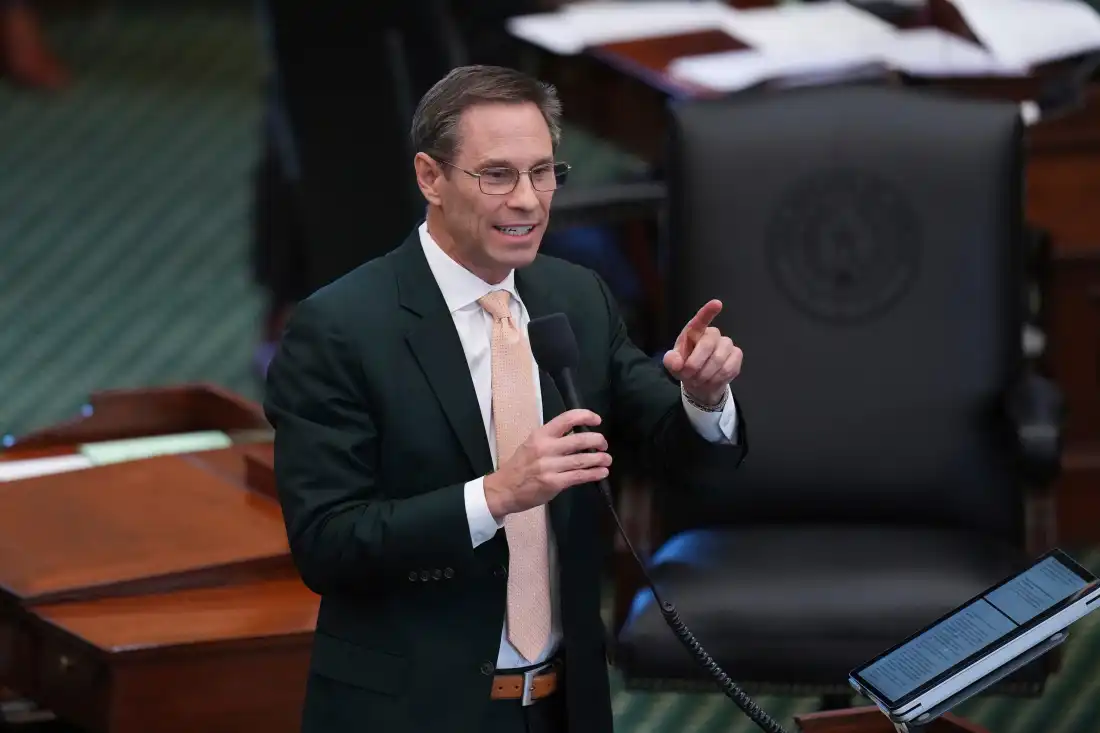
Following the election outcomes, Republican attorneys general convened in Dallas, Texas. The outgoing attorney general, Ken Paxton, lost his Senate bid and will be succeeded by Democrat Nathan Johnson. Piper mentioned that the attendees reflected on the setbacks while strategizing for the future, especially as 2028 approaches.
Piper added that the Republican Attorneys General Association is alert to potential risks posed by Democrats, including changes to the Supreme Court or welcoming new states into the Union. “We need better quality candidates at the top of the ticket,” Piper stated. “We need better message discipline, and we need other committees to focus on what RAGA has done, ensuring responsible resource management.”
Democratic attorneys general held their own meeting in Chicago, celebrating recent victories and preparing new Democratic attorneys general for their roles. Illinois Attorney General Kwame Raoul emphasized the ongoing importance of their roles in safeguarding the republic.
Nathan Johnson, the incoming Texas attorney general, noted that Democratic wins could encourage cooperation with Republicans on an agenda aimed at reducing corruption. However, he also signaled support for legal challenges against initiatives such as President Donald Trump’s proposed wall in Big Bend National Park.
The Texas attorney general’s office has traditionally championed conservative legal causes with broad national impacts. The office has served as a training ground for prominent Republican figures, including U.S. Sen. John Cornyn and Gov. Greg Abbott.
James Tierney, a Harvard Law School professor, remarked that Texas was a significant force for Republican attorneys general and its loss is notable. “There are smart, capable conservative lawyers in AG offices,” Tierney said, “but they lack the scale and influence Texas brought.”
For Democrats, these new positions could transform state law enforcement, legal case strategies, and the relationship with the Trump administration. Anthony Michael Kreis, a constitutional law professor, suggested the possibility of direct lawsuits against the administration, in coalition with other attorneys general.
Many Democratic attorneys general campaigned on addressing issues such as price gouging and digital surveillance, along with a stricter focus on antitrust topics. However, they must also remain attentive to their local business communities, which include large corporations.
Swain Wood, co-chair of WilmerHale’s practice advising on state attorneys general, mentioned that bipartisan coalitions might increase, especially on economic issues. He cited past settlements against tobacco and opioid distributors as examples of bipartisan cooperation.
Democrats elected in emerging swing states may already face pressure to pursue popular or bipartisan legal actions, vital for maintaining voter support amid potential reelection challenges.
Leave a Reply